How a SaaS Company Created 300+ Marketing Visuals with AI UGC in 10 Days
From $6,000/month in stock photography and custom photo shoots to ~$700/month with AI UGC—generating 300+ diverse professional lifestyle images for landing pages, blog posts, ad creative, and social media in just 10 days.
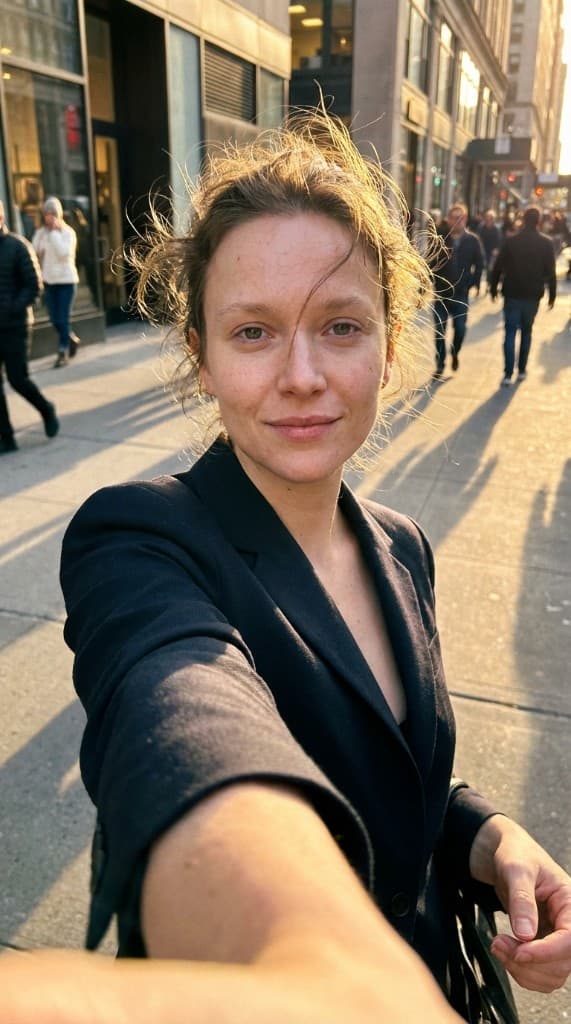
300+
Photos generated
88%
Cost cut
8
AI experts
10
Days
The Challenge
A B2B SaaS company selling project management and collaboration software was investing heavily in marketing content but struggling to differentiate visually. Their marketing team faced a growing set of problems that stock photography couldn't solve:
- Generic stock photos made them look like every competitor. Every SaaS landing page in their category featured the same smiling-team-around-a-laptop imagery from the same stock libraries. Prospects couldn't visually distinguish one product from another. The marketing team called it “stock photo sameness”—their hero images were virtually interchangeable with competitors' pages.
- Inconsistent imagery across landing pages and campaigns. Different team members pulled from different stock libraries at different times. Blog headers used one visual style, landing pages another, and paid ads a third. There was no cohesive visual identity tying their marketing touchpoints together, which undermined brand consistency and recognition.
- Diversity and representation gaps were hurting ad performance. The team knew that showing diverse professionals—different ethnicities, ages, genders, and workspace settings—improved engagement. But finding stock photos of diverse professionals that actually looked authentic in realistic work environments was nearly impossible. Most stock diversity felt staged and performative rather than genuine.
- Custom photo shoots were expensive and slow. The few times the team had commissioned custom photography, it cost $3,000–$5,000 per shoot and took 3–4 weeks from booking to final delivery. With a marketing calendar that demanded fresh imagery for weekly blog posts, monthly campaign launches, and ongoing ad refreshes, custom shoots couldn't keep up.
- New campaign imagery had a 2–3 week lead time. When the product team shipped a new feature, marketing couldn't launch a campaign until imagery was sourced. Finding the right stock photos, getting approvals, and editing them to fit took 2–3 weeks—by which time the launch moment had passed and competitor noise had drowned out the announcement.
The Approach
The marketing director signed up for ppl.studio and built a systematic workflow to replace their entire stock photo dependency:
1. Created 8 diverse professional AI experts
Built 8 AI experts representing the full diversity of their customer base: a young Black woman in a modern co-working space, a middle-aged Asian man in a corner office, a Latina professional in a home office, a white male developer at a standing desk, a South Asian woman leading a meeting in a glass conference room, an older gentleman reviewing analytics on a tablet, a nonbinary creative in a startup loft, and a young professional woman in a coffee shop. Each expert was styled with authentic wardrobe and workspace details that matched their persona.
2. Uploaded brand assets to the props library
Added product screenshots, UI mockups, branded laptop stickers, company swag, and printed marketing materials to the props library. This meant every generated image could naturally incorporate the brand's actual product interfaces and assets—something stock photography could never deliver.
3. Generated batches for every marketing channel
Instead of sourcing images one at a time, the team ran focused generation batches for each use case:
- Landing page hero images: Professional lifestyle shots of diverse experts using the product in aspirational workspace settings. Each landing page got 3–5 hero variations for A/B testing.
- Blog post headers: Contextual images matching specific blog topics—a remote worker for articles about distributed teams, a meeting scene for collaboration features, a developer at a standing desk for integrations content.
- Paid social ad creative: Scroll-stopping images of real-looking professionals interacting with the product. Generated carousel ads showing different personas using the same feature, and single-image ads optimized for each platform.
- Email marketing banners: Consistent header images for weekly newsletters and drip campaigns that reinforced the same visual identity seen on landing pages and ads.
- Case study and testimonial-style images: Professional headshot-style compositions that could accompany customer quotes and success stories—giving the marketing team a library of authentic-looking professional portraits without needing to photograph actual customers.
4. Built campaign-ready storyboards and video content
Used storyboards to create multi-frame narrative sequences showing a professional's workflow—from frustration with disorganized tools to smooth collaboration using the product. Generated short talking-head product walkthroughs using Animate for LinkedIn video ads and product tour pages.
The Results
| Metric | Before ppl.studio | After ppl.studio |
|---|---|---|
| Monthly content cost | $6,000 | ~$700 |
| Photos produced | 20–30/month | 300+ in 10 days |
| Landing page conversion rate | 3.4% | 4.1% (+22%) |
| Ad CTR improvement | 0.8% | 1.05% (+31%) |
| Time to new campaign imagery | 2–3 weeks | Same day |
| Personas / diversity | Limited stock selection | 8 custom AI experts with full diversity |
Key Takeaways
- Custom professional personas outperformed stock photos on every metric. Landing page conversion rose 22% and ad CTR jumped 31% after replacing stock imagery with AI-generated professional lifestyle photos. The key difference was authenticity—custom personas in realistic workspace settings looked like actual customers rather than paid models, which built more trust with B2B buyers who are already skeptical of polished marketing.
- Diversity of representation directly improved ad performance. Campaigns featuring diverse professionals saw higher engagement rates across every demographic segment. When prospects saw someone who looked like them using the product in an environment that matched their own workspace, click-through rates increased. The team tested persona-specific ads against generic stock and found that matched-audience creative outperformed by 18–35% depending on the platform.
- Visual consistency across all marketing touchpoints reinforced brand recognition. Because every image came from the same set of 8 AI experts with consistent styling, prospects encountered the same visual language on landing pages, blog posts, ads, and emails. The marketing team reported that prospects in sales calls started mentioning the “people on your website” as memorable—a signal that the imagery was building genuine brand recall instead of blending into the stock photo background noise.
- Same-day imagery speed enabled rapid campaign testing and iteration. The biggest operational win was eliminating the 2–3 week wait for new campaign assets. When the product team shipped a feature update, marketing launched a campaign the same day with custom visuals. When an ad underperformed, the team generated 10 new variations in an afternoon instead of waiting weeks for a reshoot. This speed advantage turned the marketing team from a bottleneck into an accelerator for the entire go-to-market motion.
Replace stock photos with custom professional imagery
Create diverse AI experts, upload your brand assets, and generate hundreds of professional lifestyle images for every marketing channel—in days, not months.
Start free with ppl.studio10 free photos · no credit card required
Founder of ppl.studio. Building AI tools for product marketing teams who need visual content at scale without the production overhead.