AI UGC by Product Category: Industry-Specific Guides
A skincare serum needs soft, dewy lighting on a bathroom vanity. A power drill needs rugged, hands-on workshop context. A dog harness needs a happy golden retriever on a hiking trail. Every product category has its own visual language, and generic AI UGC that ignores these category-specific expectations will underperform. This guide links to our deep-dive resources for 13 major product verticals.
9 min read
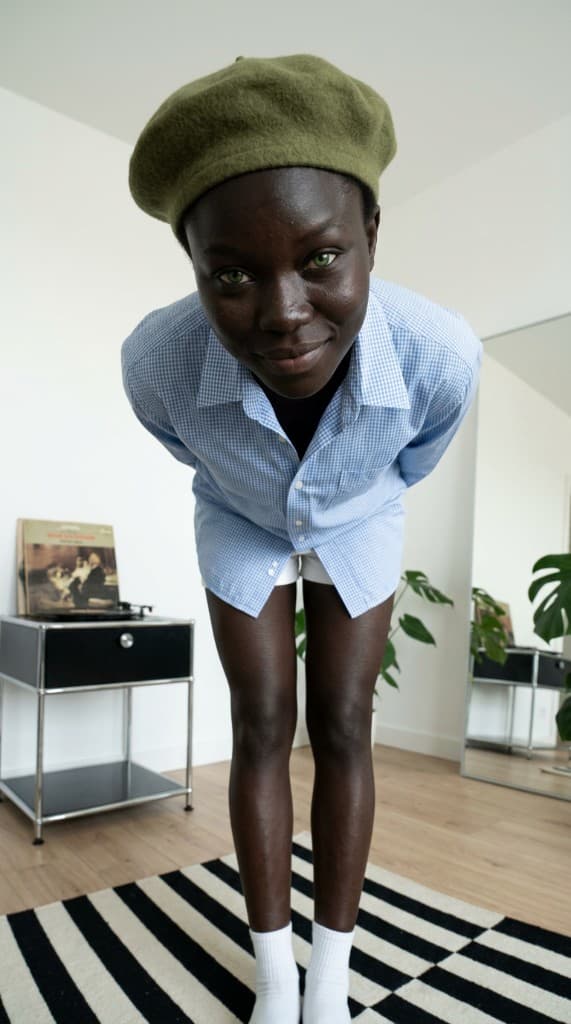
The difference between generic AI product photography and category-optimized AI UGC is conversion rate. Brands that tailor their AI UGC prompts, settings, lighting, and compositions to match the visual expectations of their specific product category see 20–45% higher conversion rates than those using one-size-fits-all lifestyle imagery. The guides below cover the specific techniques, scene types, and best practices that drive results in each vertical.
Beauty & Cosmetics
Beauty is the most visually-driven product category in e-commerce. Shoppers make purchase decisions based almost entirely on how a product looks—the color accuracy of a lipstick, the texture of a foundation, the shimmer of an eyeshadow palette. Product photography for beauty needs to communicate texture, color, and the aspirational transformation the product delivers. AI UGC enables beauty brands to generate the volume of swatches, before-and-after compositions, vanity scenes, and model-in-use images that the category demands.
Beauty brands using AI UGC report the highest CPA reductions of any vertical (36% average), driven by the category's extreme visual sensitivity. When your product is a color or a texture, showing it in the right light and context makes the difference between a scroll-past and a purchase.
Read the full beauty & cosmetics guide →
Fitness & Activewear
Fitness products live or die by aspirational context. Nobody buys a resistance band because of the band itself—they buy the body, the energy, and the lifestyle the band represents. AI UGC for fitness brands generates the gym sessions, outdoor workouts, yoga flows, and active lifestyle scenes that make products feel like tools for transformation rather than pieces of rubber and fabric.
The key challenge for fitness photography is showing products in motion—mid-workout, mid-rep, mid-stride. AI UGC solves this by generating dynamic action compositions without the logistical challenges of photographing actual workouts: timing, sweat management, lighting in gyms, and the need for both a photographer and a fitness model simultaneously.
Read the full fitness & activewear guide →
Food & Beverage
Food photography is one of the most technically demanding product photography categories. Making food look appetizing under camera lights, managing the narrow window before dishes wilt or melt, and styling each element for visual impact requires specialized skills and equipment. AI UGC removes these constraints, generating styled food scenes, table settings, cooking-in-progress shots, and ingredient flat-lays without the clock ticking on perishable subjects.
Food photography AI UGC performs particularly well for seasonal marketing campaigns, where brands need holiday meal scenes, summer barbecue content, fall harvest imagery, and spring brunch compositions on tight timelines. Generating a Thanksgiving dinner scene in August for your holiday campaign planning is trivial with AI UGC.
Read the full food & beverage guide →
Supplements & Wellness
Supplement and wellness brands face a unique visual challenge: the product itself—a pill, a powder, a capsule—is visually uninteresting. The value proposition is in the result the supplement delivers: energy, focus, better sleep, stronger immunity, healthier skin. AI UGC bridges this gap by placing supplement products in wellness lifestyle contexts that communicate the desired outcome: morning routines, post-workout recovery, meditation spaces, healthy kitchen scenes.
Trust is paramount in the supplement category, and photography plays a critical role in building it. Clean, bright, health-associated imagery—natural light, green plants, fresh ingredients, active lifestyles—subconsciously communicates quality and purity. AI UGC generates these trust-building visual environments consistently and at scale.
Read the full supplements & wellness guide →
Pet Products
Pet product photography is uniquely challenging because the primary "models"—dogs, cats, and other animals—are unpredictable. Getting a dog to sit still with a product, look at the camera, and appear happy all at the same time can take dozens of attempts. AI UGC generates perfectly composed pet product scenes with happy, engaged animals in attractive settings without the challenges of working with real animals on set.
The emotional connection in pet product marketing is everything. Pet owners respond to images that remind them of their own pet's behavior—a dog excitedly approaching a toy, a cat curled up on a new bed, a puppy playing with a chew. AI UGC captures these emotionally resonant moments on demand.
Read the full pet products guide →
Jewelry & Accessories
Jewelry photography demands precision: capturing the sparkle of gemstones, the sheen of metals, the delicacy of chains and clasps. Traditional jewelry photography requires specialized macro lenses, controlled lighting rigs, and extensive retouching. AI UGC generates styled jewelry compositions—on skin, on fabric, in gift boxes, in lifestyle contexts—with the visual quality that luxury and fine jewelry brands require.
Accessories benefit from being shown in complete outfit contexts, which traditionally requires full model styling and wardrobe. AI UGC generates these styled looks without the production overhead, showing bags with outfits, sunglasses in lifestyle settings, watches on wrists in professional and casual environments.
Read the full jewelry & accessories guide →
Home & Furniture
Home and furniture brands face the biggest logistical challenge in product photography: staging entire rooms. Showing a sofa in a living room requires a living room. Showing a dining table set for dinner requires a dining room, chairs, tableware, and food styling. Traditional room-scene photography costs $3,000–$15,000 per scene and requires warehouse-sized studios or real estate location rentals.
AI UGC eliminates this constraint entirely, generating photorealistic room scenes with your furniture and decor products placed in any interior style—mid-century modern, Scandinavian minimalist, farmhouse, industrial, coastal, bohemian. This means a single furniture brand can show every product in 8–10 different room styles without building or renting a single set.
Read the full home & furniture guide →
Tech & Electronics
Tech product photography needs to communicate innovation, quality, and the user experience. The challenge is that many tech products look similar—black rectangles of various sizes—and the differentiator is how the product fits into the user's life. AI UGC shows tech products in realistic use contexts: headphones on a commuter, a smart home device on a kitchen counter, a laptop in a co-working space, a fitness tracker mid-workout.
The tech category sees a 27% CPA reduction with AI UGC, which is the lowest improvement among major verticals—but still substantial. The lower relative improvement reflects the higher consideration nature of tech purchases, where specifications and reviews matter more than lifestyle imagery. However, for top-of-funnel awareness and social media advertising, lifestyle context significantly outperforms plain product shots.
Read the full tech & electronics guide →
Fashion & Apparel
Fashion is inherently visual, and the expectations for fashion photography are set by major retailers and magazines with large production budgets. AI UGC helps emerging and mid-market fashion brands compete visually by generating editorial-quality lookbook images, outfit-of-the-day compositions, and styled product flat-lays without the cost of models, stylists, hair and makeup artists, and studio time.
The most effective AI UGC for fashion shows garments on people in aspirational but attainable settings—city streets, cafes, parks, home interiors. This bridges the gap between the flat-lay product shot and the full editorial shoot, giving shoppers enough context to imagine wearing the garment without the $10,000+ cost of a traditional fashion shoot.
Read the full fashion content guide →
Baby & Kids Products
Baby and kids product photography comes with unique sensitivities around child imagery. Parents are the buyers, and they respond to content that shows products being used safely, joyfully, and in age-appropriate contexts. AI UGC gives baby and kids brands the ability to generate family lifestyle scenes—nurseries, playrooms, parks, family outings—without the complexities and ethical considerations of photographing real children for commercial purposes.
Trust and safety are the two most important signals in baby product marketing. AI UGC generates clean, bright, trustworthy visual environments that communicate product safety and quality. The ability to control every element of the scene—lighting, setting, product placement, age-appropriate context—is a significant advantage over traditional photography where uncontrolled variables can produce off-brand imagery.
Read the full baby & kids products guide →
Outdoor & Sports
Outdoor and sports product photography traditionally requires traveling to spectacular locations—mountains, trails, beaches, rivers, ski slopes—with gear, models, and a photography team. A single outdoor shoot can cost $5,000–$20,000 when you factor in travel, permits, weather contingency days, and the inherent unpredictability of outdoor conditions. AI UGC generates these adventure-lifestyle scenes on demand: products on mountain trails, at beach campsites, on kayaks, in snow-covered forests.
The outdoor category is one where AI UGC delivers the most dramatic cost savings, precisely because traditional production is so expensive and weather-dependent. Generate summer camping content in December. Create ski season imagery in July. Show your product in landscapes you'd never have the budget to travel to for a traditional shoot.
Read the full outdoor & sports guide →
Wine, Spirits & Craft Beverages
Beverage brands sell the occasion, not just the liquid. A bottle of wine on a white background is a product listing. That same bottle on a linen-draped table with charcuterie, warm candlelight, and two glasses half-poured is an evening you want to have. AI UGC gives beverage brands the lifestyle photography that communicates the experience of drinking their product—bar scenes, dinner parties, outdoor entertaining, seasonal cocktail compositions—without location fees, prop styling, or the technical demands of liquid and glass photography.
Beverage brands also benefit from AI UGC's ability to generate content that complies with alcohol advertising regulations, ensuring all people in scenes appear clearly over the legal drinking age and that no scenes imply excessive consumption or irresponsible behavior.
Read the full wine, spirits & craft beverages guide →
Automotive
Automotive marketing requires showing vehicles in aspirational settings—scenic drives, urban landscapes, family road trips, off-road adventures—that communicate the lifestyle associated with ownership. Traditional automotive photography involves transporting vehicles to locations, obtaining permits, managing weather, and often requires specialized equipment like car rigs and drones. A single day of automotive location photography can exceed $10,000.
AI UGC enables automotive dealerships and brands to generate vehicle lifestyle content for every season, every setting, and every customer persona without moving a single car off the lot. Show a family SUV at a beach vacation. Show a luxury sedan on a mountain highway at sunset. Show a truck at a worksite. This variety of lifestyle context is what makes automotive marketing compelling, and AI UGC makes it accessible to dealerships and smaller brands that could never justify traditional automotive photography budgets.
Read the full automotive guide →
Choosing the Right Approach for Your Category
While each product category has its own visual requirements, several principles apply universally across all verticals:
- Context converts better than isolation. Products shown in realistic use scenarios outperform white-background product shots in every category we track, with conversion lifts ranging from 15% (tech) to 45% (home decor).
- Category-specific lighting matters. Beauty needs soft, diffused light. Food needs warm, directional light. Tech needs clean, cool light. Outdoor needs natural, golden-hour light. Match your AI UGC lighting to your category's visual conventions.
- Test within your category norms. Innovation in product photography is good, but radical departures from category conventions confuse shoppers. Test variations that push boundaries slightly while staying recognizable as your product type.
- Volume enables optimization. Every category benefits from high-volume creative testing. The brands seeing the best results in every vertical are those generating and testing the most variations, not those creating the single "perfect" image.
Specialty & Niche Categories
Beyond the main retail verticals, AI UGC scales especially well in specialty categories where casting and shoot logistics traditionally cap creative output. We've published focused guides for several:
- Pickleball & racket sports brands — on-court paddle and apparel lifestyle imagery.
- CBD & hemp wellness brands — compliant lifestyle imagery for a platform-restricted category.
- Men's grooming brands — persona-diverse beard, shave, and skincare scenes.
- Sports nutrition brands — gym-context protein and supplement imagery without booking athletes.
- Automotive accessories brands — aftermarket parts, detailing, and off-road gear in real-vehicle contexts.
Each guide includes a category-specific cost comparison, content-type playbook, and platform strategy — useful starting points when you're trying to translate the generic product-photo approach into specifics that resonate with your particular buyer.
Product photos built for your category
Upload your product, choose your industry setting, and generate lifestyle photography optimized for your specific product category—beauty, fitness, food, tech, home, and everything in between.
Start free with ppl.studio10 free photos · no credit card required
Founder of ppl.studio. Building AI tools for product marketing teams who need visual content at scale without the production overhead.