AI UGC for Medical Aesthetics & Medspa Marketing: Treatment Imagery That Builds Trust, Not HIPAA Headaches
Medspas live and die on visual proof—but every patient photo is a HIPAA exposure, a release form, and a real person whose face is now permanently on Instagram. Generic stock photos look obviously fake; over-filtered before/afters trigger ad-platform rejections. AI UGC gives medical aesthetic providers a third path: photoreal treatment-room, lifestyle, and consultation imagery that builds trust without ever filming a real patient.
Note: AI UGC is not a substitute for genuine before/after clinical results, which require real patient documentation and proper consent. This article focuses on supporting marketing content—treatment-room atmosphere, lifestyle scenes, and educational visuals—not clinical evidence.
5 min read
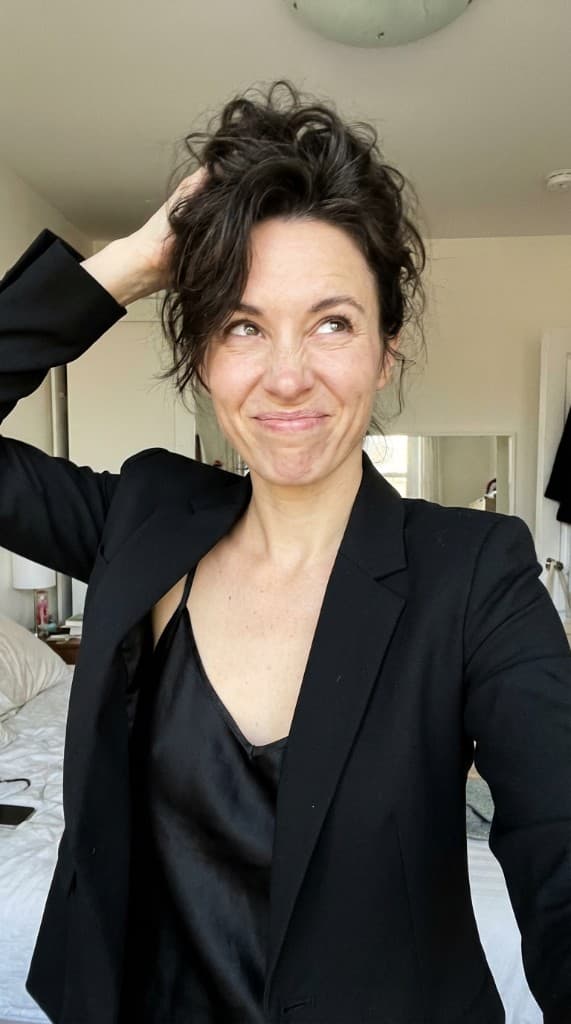
US medical aesthetics is a $20+ billion category growing 10–12% annually, with over 30,000 medspa locations competing for the same affluent local audience. New patient acquisition runs $200–$600 per booking, and 75% of prospects research a clinic on Instagram before booking a consult. The clinic with the more polished, more comprehensive, more “feels like me” visual story wins. AI UGC makes that story producible at speed—without dragging real patients into the marketing department.
Why Medspa Content Is Uniquely Constrained
- HIPAA & patient privacy. Real patient photos require signed releases, careful de-identification when needed, and strict storage protocols. One leaked photo can become a regulatory incident. The legal and operational overhead of patient-photo content is significant.
- Ad platform rules. Meta and Google restrict before/after imagery for cosmetic procedures, especially involving body parts. Many compliant medspas have ads rejected even when content is medically accurate. AI UGC produces atmosphere and lifestyle content that's far less likely to trigger automated review.
- Reluctant subjects. Most patients don't want to be the face of your filler ad—even at a discount. The patients willing to be photographed are a self-selected sample that doesn't represent your full clientele.
- Skin-tone diversity in marketing. A clinic that wants to attract patients across all complexions needs imagery showing all complexions. Real patients can't be commissioned to fill demographic gaps. AI UGC fills them effortlessly.
- Treatment-in-progress imagery is hard to stage. Live injection or laser-treatment photography requires planning, sterile field considerations, and a willing patient mid-procedure. Generated treatment-room imagery sidesteps all of this.
Content Frameworks by Medspa Service
Injectables & Neuromodulators
- Treatment-room atmosphere. Calm, clinical, modern—the visual language patients want from an injector. Generate consultation, treatment-prep, and aftercare-instruction visuals that read as confident and professional.
- Lifestyle “you after” aspirational scenes. Confident, refreshed-looking subjects in everyday situations—coffee with friends, work meetings, weekend errands. These scenes communicate the emotional outcome without making clinical claims.
- Educational diagrams & explainer visuals. Use storyboards to sequence consultation-mapping, injection-area, and aftercare frames into multi-frame Reels and carousels.
Laser, IPL & Skin Resurfacing
- Equipment hero shots. Patients want to see the technology. Generate clean, well-lit imagery of the device and treatment positioning that communicates “we use real, current equipment.”
- Pre-treatment skin-prep content. Educational scenes showing protective eyewear, prep, and post-treatment cooling that prepare patients and reduce no-shows.
- Post-treatment glow lifestyle scenes. Clean, slightly luminous skin in real-life contexts. Aspirational without violating ad-platform rules around clinical claims.
Body Contouring & Wellness Services
- Service-environment shots. CoolSculpting bays, EmSculpt rooms, IV-therapy lounges, cryotherapy chambers—each service deserves its own atmospheric content.
- Before/intake/aftercare sequence. Multi-frame educational content walking patients through what to expect. Reduces consultation friction and answers FAQs at scale.
- Wellness-adjacent lifestyle content. The healthy, active, “invested in themselves” patient archetype that aligns with the wellness positioning.
Medical Spa Provider & Team Marketing
- Provider portraits. Polished, on-brand provider headshots and consultation imagery. AI UGC ensures consistent quality across multiple providers without scheduling a single shoot. See AI headshots for business.
- “Meet your nurse injector” content. Bios pair beautifully with consistent, well-lit provider imagery that scales across LinkedIn, GBP, and the practice website.
- Team-at-work atmosphere. Front-desk, consultation-room, and treatment-prep B-roll for Reels and TikToks. The “day in the practice” aesthetic without disrupting actual patient flow.
Platform-Specific Medspa Content Strategy
- Instagram (primary discovery). Medspa decisions are highly visual. A grid that mixes provider, treatment-environment, lifestyle, and educational content reads as a complete practice. Avoid grids dominated by stock photography—prospects spot it instantly and trust drops.
- TikTok. Educational content (“what to expect during your first consult,” “how I prep my skin for laser”) crushes on TikTok. AI UGC produces the visual coverage to support these scripts. Pairs with TikTok ad creative.
- Google Business Profile. Like every local service business, GBP completeness drives map-pack visibility. Comprehensive, on-brand photography moves rankings.
- Meta Ads. Lifestyle and atmosphere creative reliably passes review where before/after struggles. AI UGC makes weekly creative refreshes feasible, which is critical for keeping ad fatigue at bay in tight local audiences.
- Practice website & landing pages. Service-page hero imagery sets conversion rate. Replace generic stock with on-brand AI UGC that matches the actual treatment-room aesthetic. See landing-page optimization.
- Email & SMS. Re-engagement campaigns to lapsed patients convert dramatically better with hero imagery vs. plain-text. AI UGC produces a year of email-header art in a single afternoon.
Building Your Medspa Content Library with ppl.studio
- Define your patient archetypes. Use AI expert profiles to build representative patient personas across age ranges, skin tones, and lifestyle contexts. They populate your lifestyle content library.
- Match the practice aesthetic. Photograph your real treatment rooms, then use visual presets to ensure all generated content matches that lighting and color palette—so the digital and physical experience feel like one practice.
- Build a service-by-service library. 8–12 generated images per major service: provider, equipment, treatment-prep, post-treatment lifestyle. That's your service-page, ad-creative, and social inventory in one drop.
- Pre-produce campaign content. Holiday gift cards, “new year, new you” promotions, bridal-prep packages—generate the creative weeks ahead and queue it in your scheduler.
- Always pair generated content with real patient outcomes (where consented). AI UGC supports the brand and lifestyle story; real consented before/afters carry the clinical proof. The combination outperforms either alone.
Compliance & Disclosure Considerations
- Don't represent AI imagery as real patients. Lifestyle and atmosphere AI UGC should not be captioned as “our patient” or used in ways that suggest specific clinical results. Use it for brand and educational support, not as evidence of efficacy.
- Follow FTC AI-disclosure guidance. Where AI imagery could reasonably be mistaken for a real testimonial, label it as an illustration. See FTC guidelines on AI content disclosure.
- State medical board rules vary. Some states have specific advertising rules for medical practices, including aesthetic medicine. Coordinate with your compliance officer or attorney before launching new creative.
- Real before/afters still need real consent. AI cannot substitute for proper patient release forms when showing actual treatment outcomes.
Performance Impact: AI UGC for Medspas
- Consultation booking conversion. Practices that pair real patient testimonials with high-quality lifestyle and atmosphere AI UGC report 25–40% higher booking rates from social vs. clinics relying on stock photos.
- Ad approval rate. Lifestyle/atmosphere creative passes Meta and Google review more reliably than clinical before/after content. Faster approvals = faster spend ramp.
- Demographic reach. Including patient personas across multiple skin tones and ages widens the audience that self-identifies with the practice. Inclusive imagery directly correlates with a broader patient base.
- Content cadence sustainability. Solo-provider and small-team practices can't maintain a daily-post cadence without visual support. AI UGC makes the cadence possible without burning out the practice manager.
Common Mistakes in Medspa Marketing
- Generic stock photos. Same Shutterstock close-up that 200 other clinics use. Prospects recognize it; trust drops.
- Over-curated “perfect” imagery. Hyper-glossy creative reads as advertisement, not authentic practice. AI UGC works best when calibrated toward editorial-realistic, not catalog-glossy.
- One demographic in every photo. A grid showing only one age range or skin tone tells everyone else this practice isn't for them.
- No educational content. Medspa prospects are anxious. Educational content (“what to expect,” “how it feels,” “recovery timeline”) reduces friction and accelerates consult booking. Generated visual support makes this content easy to produce.
- Ignoring local SEO photo opportunities. GBP is a major patient acquisition channel for local services. A practice with five photos loses to a competitor with fifty.
Marketing imagery that builds trust—without HIPAA exposure
Use ppl.studio to generate medspa marketing content—treatment-room atmosphere, lifestyle scenes, provider portraits, educational visuals. Patient privacy fully preserved. Your real clinical results stay where they belong.
Start free with ppl.studio10 free photos · no credit card required
Founder of ppl.studio. Building AI tools for product marketing teams who need visual content at scale without the production overhead.