AI UGC for Affiliate Marketing, Creators and Ambassador Programs
AI images are useful to affiliates for the parts of the job that are about context, not testimony: roundup heroes, Pinterest pins, “how it fits in your kitchen” scenes, comparison graphics and ad variations of a product you have actually tested. What they cannot do is stand in for the review itself. Under the FTC's rules an endorsement has to reflect the honest opinion of someone who used the product, your commission has to be disclosed clearly, and a review attributed to a person who doesn't exist is a fake review. Build on that line and AI saves you real photo time.
5 min read
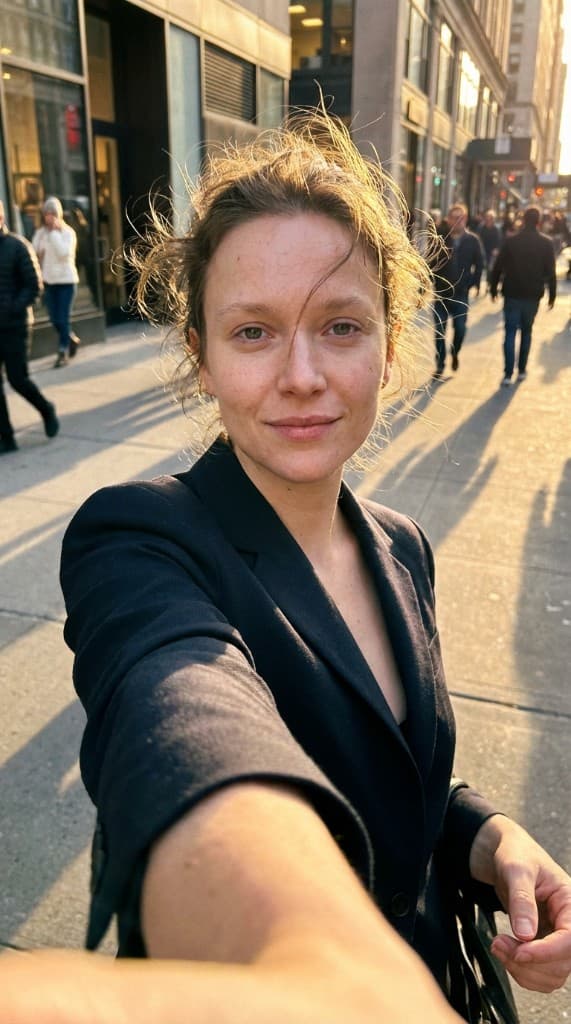
Affiliate content is a trust business with a thin margin for error. Readers click your link because they believe you know the product; the FTC has spelled out what that belief requires; and a growing share of affiliate sites look identical because they reuse the same manufacturer photos. AI imagery can fix the sameness problem. Used the wrong way—an invented “tester” with a face, a made-up before-and-after—it turns a commission site into the exact thing the 2024 rule was written to stop.
The two rules that decide what you can make
1. Disclose the money, next to the link
A commission is a material connection, and the FTC's Endorsement Guides FAQ says to disclose it in plain words, such as “I get commissions for purchases made through links in this post.” The same page notes that “affiliate link” on its own may not be understood, that the disclosure works best close to (or part of) the endorsement, and that in a video it belongs in the video, not only in the description. Footer disclaimers and a “Disclosure” link people have to click are not enough.
2. No experience you didn't have
The same guidance is blunt: an endorsement must reflect the endorser's honest opinion, and you can't talk about your experience with a product you haven't tried. Since October 21, 2024, the FTC's Consumer Reviews and Testimonials Rule (16 CFR Part 465) also lets the agency seek civil penalties for knowingly creating or spreading reviews and testimonials that misrepresent that they come from someone who doesn't exist, from someone without actual experience of the product, or that misrepresent that experience. The FTC names AI-generated fake reviews as covered.
The rule does not ban AI avatars in marketing. The FTC's Q&A says there is no blanket prohibition, and that an avatar used for a testimonial is a problem when the testimonial itself is fake. For affiliates that means: a generated face presented as “Jess, who tested 14 blenders” when Jess is not a person is a fake testimonial. A generated scene that shows where a blender sits on a counter, in a post where you say you tested it, is an illustration.
Where AI images earn their place on an affiliate site
- Roundup and comparison heroes. “Best carry-on bags” posts look stitched together when every product photo comes from a different brand shoot. Putting each bag in the same airport-gate setting, same light, gives the page one visual language. Label the images as illustrations.
- Scale and context. Readers ask “how big is it really?” A scene with the product on a standard counter or in a hand answers that—as long as the dimensions match the real thing.
- Pinterest pins. Pinterest is still an affiliate traffic channel, and a pin needs a vertical, text-friendly image that a manufacturer packshot rarely provides. See AI images for Pinterest.
- Seasonal refreshes. Updating an evergreen “best gifts for runners” post each November with a winter scene, without reshooting.
- Ad creative, where the program allows it. Some merchants let affiliates run paid traffic and some forbid it or restrict creative. Their terms win.
What to keep off an affiliate site
- A fake reviewer. An AI face with a name, a bio and “my experience” copy, used to suggest an independent human tested the product.
- Generated results. Before-and-after skin, a cleaner grout line, a slimmer waist. If you can't photograph the result, you can't show it.
- Features you haven't seen. An image showing a pocket, port or finish the product doesn't have is a misrepresentation, even if the text is accurate.
- Unlicensed product photos as inputs. Many affiliate programs and brands restrict how their product images may be used or altered. Read the program terms before feeding manufacturer photos into any AI tool; photographing the product yourself avoids the question.
A workflow that stays on the right side
- Get the product in hand (bought, sampled or borrowed—and say which, since a free sample is also a material connection).
- Shoot one clean reference photo on a plain background and add it to the Props Library. Your real photos of the product in use stay as the evidence in the review.
- Generate the context images around your verdict: the roundup hero, the pin, the scale shot. The product UGC photos workflow produces a set of six around one product.
- Caption them honestly (“Illustration: the X on a kitchen counter”) and keep the commission disclosure next to the first link.
If you use a recurring AI character as your site's visual mascot, present it as a character, not as a reviewer. The opinions on the page should be yours. For how disclosure of AI content itself works, see AI-generated content disclosure and FTC guidelines.
For brands running affiliate, creator and ambassador programs
The same rules apply from the other side, with one addition: the FTC expects advertisers to tell their endorsers what to disclose and to keep an eye on whether they do.
Creator partnerships (including Shopify Collabs)
Shopify Collabs handles recruiting creators, gifting product and tracking affiliate commissions; it does not change the production math, which is that a creator delivers a handful of assets per collaboration. A sensible split: real creators do the content where their own experience and audience are the point—reviews, routines, “day with” videos—and you use AI for the volume around it: product-page lifestyle shots, seasonal swaps, ad variations of a winning setting. When a creator's bathroom-shelf shot performs, that setting becomes your next AI brief; the creator's face and words are not yours to recreate. Check your contract for usage rights before you put a creator's content into paid ads at all.
Ambassador programs
Ambassadors who get free product, discounts or commission are endorsers with a material connection, and the 2024 rule separately covers undisclosed reviews and testimonials by a company's insiders. Give every ambassador written disclosure instructions and check their posts. What AI is good for here is the brand side of the program: launch kits, the product shots ambassadors repost, consistent visuals while their own posts vary in quality. What it must not do is fill the roster. A set of AI faces posting as “our ambassadors” with first-person stories is a set of fake testimonials, and recreating a real ambassador's likeness needs their permission—the FTC's Q&A gives a celebrity avatar used without consent as an example of a violation.
A consistent, openly fictional brand character is a different thing from a fake customer. If that is what you want, AI Experts keep one face across every image. For where real creators still beat generated content, see UGC ad creative strategy without hiring creators, and plans on the pricing page.
This is a plain-language summary, not legal advice. Sources: FTC, FTC's Endorsement Guides: What People Are Asking; FTC, The Consumer Reviews and Testimonials Rule: Questions and Answers.
Make context images for products you have tested
Photograph the product once, upload it, and generate lifestyle scenes, pins and roundup images around it. $1.99 per week, images billed by Google on your own Gemini key.
Start free with ppl.studio10 free photos · no credit card required
Founder of ppl.studio. Building AI tools for product marketing teams who need visual content at scale without the production overhead.