AI Product Photography vs Traditional Photography: Cost, Quality, and Speed Compared
The economics of AI-generated product imageryhave shifted dramatically. Here's a transparent, data-backed comparison to help you decide which approach—or which blend of both—fits your brand.
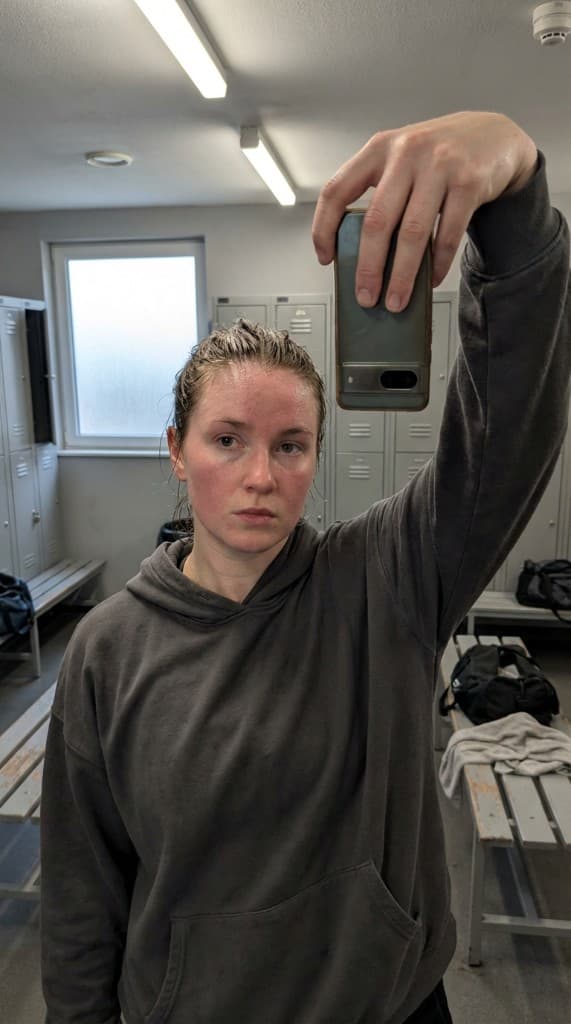
For decades, product photography meant one thing: book a studio, hire a photographer, schedule models, style every shot, wait for retouching, and pay the invoice. It worked, but it was slow and expensive. In 2026, AI product photography tools can generate photorealistic lifestyle images, flat-lay compositions, and UGC-style content in minutes—at a fraction of the cost. This guide compares the two approaches across every dimension that matters: cost, quality, speed, scalability, and creative flexibility.
Why Brands Are Reconsidering Traditional Workflows
Traditional product photography isn't broken—it's just increasingly mismatched with how modern e-commerce operates. The average DTC brand now needs content for product pages, paid social across five or more platforms, email campaigns, marketplace listings, influencer whitelisting, and seasonal refreshes. That's hundreds—sometimes thousands—of unique images per quarter.
Traditional shoots were designed for a world where brands needed 10–20 hero images per product launch. Today, performance marketing demands 50–100+ creative variations per product just for ad testing. The math simply doesn't work when each image costs $50–200 to produce through traditional methods. Meanwhile, platforms like TikTok and Meta reward fresh creative, penalizing ads that have been running for more than 7–14 days with declining delivery. Brands need a content engine, not a content event.
Head-to-Head: AI vs Traditional Product Photography
The table below compares the two approaches across the six dimensions that matter most when planning your product content strategy. For a deeper look at how AI product photos drive conversions, see our data-driven guide.
| Dimension | Traditional Photography | AI Product Photography |
|---|---|---|
| Cost per session | $500–$5,000/day | Under $1/image |
| Turnaround time | 2–4 weeks (booking to delivery) | Minutes per image |
| Daily volume | 50–100 images/day | Unlimited |
| Consistency | Varies by photographer, lighting, and session | Pixel-perfect consistency across runs |
| Scalability | Linear—more images = more cost | Near-zero marginal cost per additional image |
| Flexibility | Reshoot required for changes | Re-generate instantly with new parameters |
Quality Comparison: Where AI Wins and Where Traditional Still Leads
AI-generated product photography has reached a quality threshold where it's indistinguishable from traditional photography in most commercial applications. For e-commerce product pages, social media ads, marketplace listings, and email campaigns, AI images deliver professional-grade results that convert at the same rate—or higher—than studio shots.
Where AI Meets or Exceeds Traditional Quality
- Lifestyle and in-context scenes:AI excels at placing products in realistic settings—a serum on a bathroom vanity, headphones on a desk, a supplement on a kitchen counter. Lighting, shadows, and reflections are handled automatically.
- UGC-style content: Mirror selfies, candid-looking hold shots, and lifestyle photography that feels authentic rather than produced. This is the content type that performs best on Meta and TikTok, and AI generates it faster than any creator.
- Multi-variant consistency: Showing the same product in 12 colors with identical lighting, angle, and background is trivial for AI but requires meticulous setup in a traditional studio.
- Seasonal and thematic content:Holiday scenes, summer vibes, back-to-school settings—AI generates on-demand without waiting for the right season or renting themed props.
Where Traditional Photography Still Wins
- High-end luxury catalogs:Brands like Hermès or Rolex demand a level of tactile detail—stitching on leather, light refracting through crystal—that still benefits from controlled studio environments with specialist photographers.
- Packaging macro close-ups:When you need to show the exact texture of a label, the embossing on a box, or the print quality of packaging, a macro lens on a real product delivers precision that AI can't yet fully replicate.
- Food photography requiring exact plating: Styled food photography where every sesame seed and sauce drizzle is precisely placed still requires a human food stylist and a photographer who can capture the exact moment.
- Regulatory or compliance imagery: Some industries (medical devices, pharmaceuticals) require photographs of the actual product for compliance documentation.
Full Cost Breakdown: Traditional vs AI
The cost gap between traditional and AI product photography is wider than most brands realize. Here's what a typical traditional shoot actually costs when you add up every line item, compared to AI-generated content through a platform like ppl.studio.
| Line Item | Traditional Photography | AI Product Photography |
|---|---|---|
| Photographer | $500–$2,000/day | Included in subscription |
| Studio rental | $200–$500/day | Not required |
| Models | $500–$2,000/day | AI personas—no cost |
| Props & styling | $200–$500 per shoot | Digital props library—included |
| Post-processing & retouching | $10–$50/image | Automatic—no additional cost |
| Travel & logistics | $100–$500+ (location shoots) | Not applicable |
| Usage rights | Varies—often additional fees | Full commercial rights included |
| Typical total per shoot day | $1,500–$5,500+ | Flat subscription—no per-session cost |
When you factor in the hidden costs—creative direction meetings, model casting, reshoot fees for images that didn't turn out, and the opportunity cost of 2–4 weeks of lead time—traditional photography often costs 10–50× more per usable image than AI-generated alternatives.
Speed and Scalability: Eliminating Bottlenecks
Traditional product photography is bottlenecked at nearly every stage. Scheduling conflicts, weather delays for outdoor shoots, model availability, studio booking windows, and retouching queues all add friction and delay. A single reschedule can push a product launch back by weeks.
AI eliminates every one of these bottlenecks. There's no booking, no weather dependency, no model agency negotiations, and no retouching queue. You upload your product image, select a scene and persona, and generate a finished photo in about 60 seconds. Need 200 variations for a batch workflow? That's an afternoon, not a month-long project.
For teams managing large catalogs, this speed advantage compounds. A brand with 500 SKUs that needs 8 lifestyle images per product is looking at 4,000 images. At traditional rates, that's 40–80 shoot days and $60,000–$400,000+ in production costs. With AI, the same product photo library can be built in a week for a fraction of the budget.
The Hybrid Approach: Best of Both Worlds
The smartest brands in 2026 aren't choosing between AI and traditional photography—they're using both strategically. The hybrid model uses traditional photography for a narrow set of high-value hero content and AI for everything else.
Use AI For Volume Content
- Social media ads:UGC-style images for Meta, TikTok, and Pinterest campaigns where you need 20–50 variations per product for creative testing
- Marketplace listings: Secondary lifestyle images for Amazon, Shopify, and other e-commerce platforms
- Email marketing: Seasonal and promotional imagery that needs to be generated on tight timelines
- Ad creative rotation:Fresh visuals every 7–14 days to combat ad fatigue
- Multi-variant showcases: Showing every color, size, and configuration without photographing each one individually
Use Traditional For Hero Content
- Hero product page images: The primary image that anchors your product detail page
- Brand campaign photography:High-concept editorial shoots that define your brand's visual identity
- PR and media kits: Press-ready images for publications and media placements
- Packaging and print: Images destined for physical packaging, in-store displays, or catalogs where resolution and fidelity are paramount
When to Choose Each: A Decision Framework
Not sure which approach fits your situation? Use this framework based on four factors: content type, budget, timeline, and use case.
- Budget under $1,000: AI is the clear choice. Traditional photography at this budget level limits you to a handful of images. AI gives you hundreds.
- Timeline under one week:AI wins by default. Traditional photography can't be booked, shot, and retouched in under a week for most brands.
- Volume over 100 images:AI becomes exponentially more cost-effective as volume increases. At 500+ images, the economics aren't even close.
- Content for paid social: AI. Performance marketers need rapid iteration, high volume, and the ability to generate fresh creative weekly. Read our guide on AI product photos that convert for specifics.
- Flagship brand campaign: Traditional. When the imagery will define your brand for a season, invest in a professional shoot with a creative director, stylist, and experienced photographer.
- New SKU launch content: Hybrid. Use traditional for the hero shot and AI for all supporting lifestyle, social, and marketplace content.
Real-World Scenario: Launching a 50-SKU Product Line
To make this comparison concrete, let's walk through a realistic scenario. You're launching a product line with 50 SKUs. Each product needs a hero image, 4 lifestyle shots, and 3 ad creative variants—that's 8 images per SKU, or 400 images total.
Traditional Photography Path
- Pre-production:1–2 weeks for creative briefs, model casting, prop sourcing, and studio booking
- Shoot days:4–8 days at $1,500–$5,500/day = $6,000–$44,000
- Post-production:400 images × $10–$50/image retouching = $4,000–$20,000
- Total cost:$15,000–$50,000+
- Total timeline:4–8 weeks from brief to final delivery
AI Photography Path
- Setup: Upload 50 product images to the props library—1–2 hours
- Generation:400 images at ~60 seconds each, run in batches—1–2 days
- Review and refinement:Quick review pass, regenerate any images that need adjustments—half a day
- Total cost: Under $500 (subscription + generation credits)
- Total timeline: 2 days from upload to final delivery
That's a 30–100× cost reduction and a 14–28× speed improvement. For a detailed walkthrough on managing high-volume projects, see our batch product photography workflow guide.
The Bottom Line
AI product photography doesn't replace traditional photography entirely—it replaces the 80–90% of your content needs where speed, cost, and volume matter more than maximum fidelity. Traditional photography remains the right tool for hero-level brand work, luxury editorial, and compliance-critical imagery. But for the vast majority of commercial product content—social ads, marketplace listings, email campaigns, creative testing, and seasonal refreshes—AI delivers better economics, faster turnaround, and comparable (often superior) conversion performance.
The brands winning in 2026 aren't debating which is “better.” They're using AI to handle the volume, freeing up their traditional photography budget for the moments that truly demand it. The result is more content, more testing, more creative variation, and better performance across every channel.
See why brands are switching to AI product photography
Upload your product, choose a scene, and generate your first AI product photo in 60 seconds. Compare the result to your last studio shoot.
Start free with ppl.studio10 free photos · no credit card required
Founder of ppl.studio. Building AI tools for product marketing teams who need visual content at scale without the production overhead.