AI UGC for Unboxing Content: First-Impression Photos and Videos at Scale
Unboxing content is one of the most powerful conversion drivers in e-commerce. It shows a real-looking person experiencing your product for the first time—the excitement, the packaging, the first impression. With AI UGC, you can produce unboxing-style photos and videos without shipping product to creators or waiting weeks for deliverables.
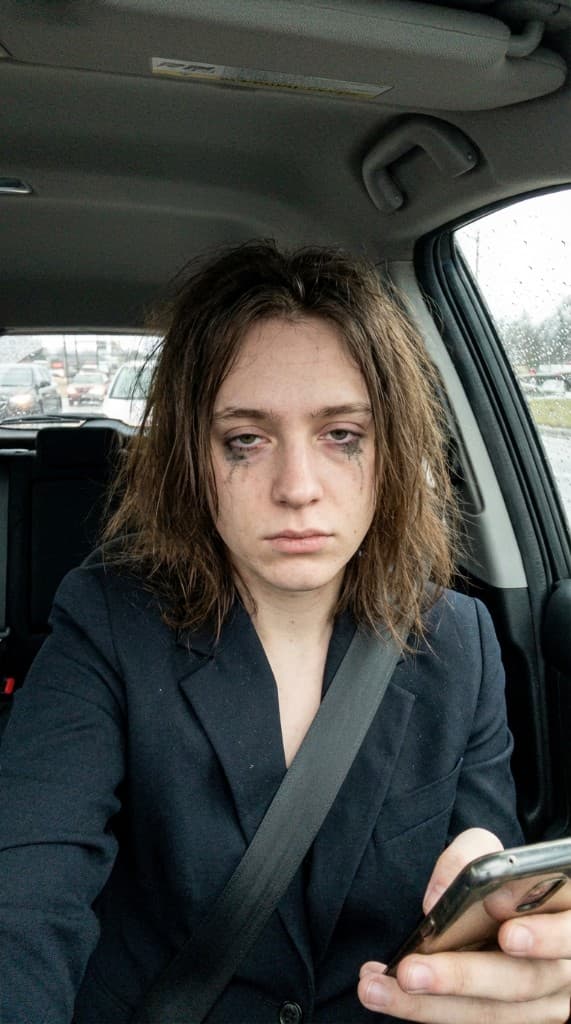
Unboxing videos rack up billions of views across YouTube, TikTok, and Instagram. The format works because it answers the shopper's core anxiety: “What will it actually feel like to receive this?” Traditional unboxing content requires sending free product to creators, negotiating rates, waiting for delivery, and hoping the creator produces something usable. AI UGC eliminates every bottleneck. You control the narrative, the aesthetic, and the output volume—and you can produce 50 variations in the time it takes one creator to film a single unboxing.
Why Unboxing Content Converts
The psychology behind unboxing content is well-documented:
- Ownership simulation: Watching someone unbox a product activates the same brain regions as imagining yourself doing it. This mental ownership makes shoppers more likely to buy—a phenomenon behavioral economists call the “endowment effect.”
- Risk reduction: Unboxing content shows the actual product, packaging, size, and quality. It removes the “what if it looks different in person?” anxiety that kills conversions, especially for premium products.
- Social proof at the decision moment: A person visibly excited about receiving your product is powerful social proof. It signals that other people are buying this, receiving it, and being happy about it.
- Discovery context: Unboxing videos on TikTok and YouTube function as product discovery channels. Many shoppers first learn about products through unboxing content, then search for them on Amazon or a brand's DTC site.
Types of AI UGC Unboxing Content
The Classic Unboxing Photo
A person lifting your product out of its packaging, hands visible, genuine expression of interest or delight on their face. This single image is the most versatile unboxing asset—it works in product listings, social media posts, email campaigns, and ad creative. Generate multiple versions with different AI experts for demographic diversity.
The First-Impression Reveal
Focus on the moment of discovery: the product fully unwrapped, held up to camera, with the person's reaction visible. This works especially well for beauty products, tech gadgets, and anything where the product design itself is a selling point. The AI expert should look genuinely impressed—not a forced smile, but the natural widening of eyes that signals pleasant surprise.
The Haul Layout
Show the complete package contents spread out on a surface—a desk, a bed, a kitchen counter—with the person seated behind them. This format works for subscription boxes, multi-product bundles, gift sets, and any product that comes with accessories or extras. It gives shoppers a complete picture of what they're getting for their money.
The In-Use Reveal
Skip the box entirely and show the product being used for the first time: applying the skincare product, assembling the gadget, wearing the clothing item. This format is particularly effective for products where the in-use experience is the primary purchase driver. It combines unboxing anticipation with product demonstration.
The Animated Unboxing Video
Use Animate to turn your best unboxing photos into short talking-head videos. The AI expert narrates their first impressions while holding and examining the product. This creates authentic-sounding review content that works as TikTok ads, Instagram Reels, and Amazon Sponsored Brands Video.
How to Produce AI UGC Unboxing Content
Step 1: Upload Your Product and Packaging
Add your product to the Props Library. For unboxing content specifically, upload photos of the product at multiple stages: the sealed box, the opened box with product visible inside, the product fully removed, and the product in use. The more reference images you provide, the more varied and accurate your unboxing scenes will be.
Step 2: Create Diverse AI Experts
Build AI experts that represent your target customer segments. For broad-market products, create experts across different ages, ethnicities, and settings. For niche products, match the expert to your core demographic. The expert's appearance and setting should feel natural for the product category: a 20-something in a dorm room for tech gadgets, a parent in a living room for baby products, a person at a vanity for beauty items.
Step 3: Plan Your Shot List
Use Storyboards to map the unboxing sequence. A complete unboxing content set should include:
- Package in hand (anticipation)
- Opening the box (action moment)
- Product reveal (the hero shot)
- Close-up product examination (detail and quality signal)
- First use or application (experience)
- Satisfaction shot (social proof)
Step 4: Generate and Select
Generate 3–5 variations of each shot across different AI experts and settings. Select the strongest images based on natural expression, product visibility, and lighting quality. Run through your quality control checklist—pay extra attention to hand positioning and product label accuracy, which are the most common AI artifacts in unboxing scenes.
Step 5: Animate Top Performers
Convert your best static unboxing images into short video clips using Animate. Add a script where the AI expert shares first impressions: “Okay so I just got this in the mail, let me show you what's inside…” This conversational format matches how real unboxing videos sound on TikTok and YouTube, making the AI content feel native to each platform.
Where to Use AI UGC Unboxing Content
- Amazon product listings: Unboxing images in A+ Content and image carousels reduce return rates by setting accurate expectations. See our Amazon A+ Content guide.
- TikTok and Instagram ads: Unboxing-style video ads consistently outperform static product ads. The format feels native to social feeds. See our TikTok ads guide.
- Email marketing: Use unboxing photos in post-purchase sequences (showing new customers what's coming), win-back campaigns (reminding lapsed customers of the experience), and product launch emails.
- Shopify product pages: Unboxing images in the product gallery increase time on page and reduce bounce rate by giving shoppers a complete picture of the purchase experience. See our Shopify optimization guide.
- Crowdfunding campaigns: Unboxing content is especially powerful for pre-launch products where backers can't see the physical product yet. AI UGC lets you show the unboxing experience before manufacturing. See our crowdfunding guide.
Performance Benchmarks
- Social ad CTR: Unboxing-style AI UGC delivers 25–40% higher CTR than standard product-in-use photos on Meta and TikTok
- Email click rates: Emails with unboxing imagery see 15–20% higher click rates vs. product-only imagery
- Product page engagement: Listings with unboxing-style photos show 10–15% longer time on page and lower bounce rates
- Return rate reduction: Products with unboxing content in listings see 5–10% fewer returns due to better expectation setting
The Bottom Line
Unboxing content is one of the most effective content formats in e-commerce, and AI UGC removes the production barriers that kept most brands from using it at scale. Instead of shipping product to 10 creators and waiting weeks, you can generate 50+ unboxing assets in an afternoon—each customized for different platforms, demographics, and campaign angles.
Start by uploading your product and packaging photos, building 3–5 diverse AI experts, and generating a complete unboxing shot list. Animate the best frames for video content and distribute across every channel. For more on multi-channel content strategy, see our guide on repurposing AI UGC across channels.
Create unboxing content in minutes, not weeks
Generate authentic unboxing photos and videos with your actual product. Real-looking people, genuine reactions, your brand's packaging.
Start free with ppl.studio10 free photos · no credit card required
Founder of ppl.studio. Building AI tools for product marketing teams who need visual content at scale without the production overhead.