AI UGC for Catalog and Lookbook Creation: Professional Collections Without the Shoot
Traditional lookbook production costs $10,000–$50,000 per season. AI UGC lets fashion and lifestyle brands create full catalogs—with consistent models, styled scenes, and seasonal themes—in days, not months.
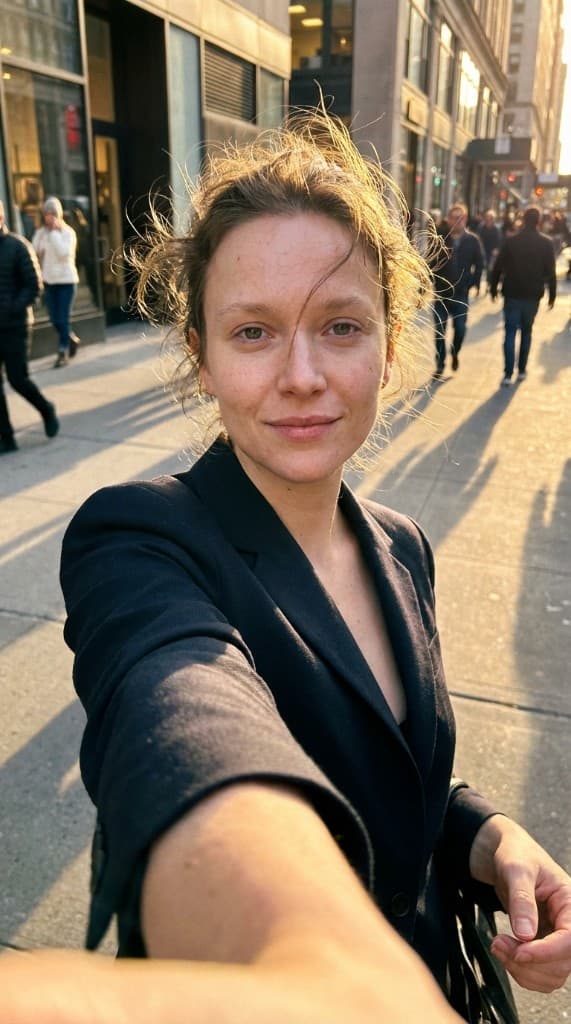
A product catalog or lookbook is the single most important visual asset for fashion, apparel, home goods, and lifestyle brands. It defines how customers perceive your collection and directly drives wholesale orders, retail partnerships, and e-commerce conversions. But traditional catalog production is a massive undertaking: models, photographers, stylists, locations, post-production, and tight seasonal deadlines. A single season's catalog can consume a quarter of a small brand's marketing budget. AI UGC fundamentally changes this equation. This guide covers the complete workflow for creating professional catalogs and lookbooks using AI-generated content.
Why Lookbooks and Catalogs Matter More Than Ever
Despite the shift to digital-first commerce, catalogs and lookbooks remain essential for three reasons:
- Wholesale and retail buyers: Buyers at department stores, boutiques, and online retailers expect polished lookbooks before placing orders. A line sheet with flat-lay photos won't close a deal—styled model photography does.
- Brand storytelling: A lookbook tells the story of a collection: the mood, the aesthetic, the lifestyle. This narrative drives emotional connection with consumers and differentiates your brand from competitors selling similar products.
- E-commerce conversion: Product pages with styled, in-context photography convert 20–35% better than pages with white-background product shots alone. Lookbook imagery pulls double duty as conversion-driving content.
The Traditional Lookbook Production Problem
Here's what a typical lookbook production timeline looks like for a small-to-mid-size fashion brand:
- Planning (2–4 weeks): Mood boards, location scouting, model casting, wardrobe pulls, and shot list development.
- Production (1–3 days): Shoot days with photographer, models, hair/makeup, and on-set styling. Location costs, equipment rental, and catering add up fast.
- Post-production (1–2 weeks): Culling, color correction, retouching, and layout design.
- Total timeline: 4–8 weeks from concept to final deliverables.
- Total cost: $10,000–$50,000+ depending on model count, locations, and production scale.
For brands releasing 2–4 collections per year, this process repeats every quarter. Emerging brands with limited budgets often skip lookbooks entirely, putting them at a disadvantage in wholesale and retail channels.
The AI UGC Lookbook Workflow
AI UGC compresses the entire lookbook production cycle into days. Here's the step-by-step workflow.
Step 1: Define Your Visual Direction
Start with the same creative brief you'd write for a traditional shoot: collection theme, color palette, target mood, and intended settings. The difference is that AI generation gives you unlimited flexibility to explore variations without additional cost. Build a brand style guide with AI UGC to ensure consistency across your entire catalog.
Step 2: Create Your AI Models
Using AI experts, create 3–5 consistent models that represent your brand's target audience. Unlike traditional casting, you can specify exact demographics, body types, and styling for perfect brand alignment. Each AI expert maintains a consistent face and body across every generated image—critical for lookbook visual consistency.
Step 3: Upload Your Products
Upload product images to the props library. Flat-lay product photos or white-background images work best. The AI integrates your actual products into generated scenes, so the final lookbook features your real merchandise—not generic placeholders.
Step 4: Generate Lookbook Shots
With your AI models and products set up, generate the lookbook. A typical catalog needs these shot types:
- Hero shots: Full-body model shots that anchor each section of the catalog. Usually 1–2 per product or outfit.
- Detail shots: Close-up angles showing fabric texture, hardware, stitching, or unique design elements.
- Lifestyle shots: Models in context—coffee shops, city streets, home interiors—that tell the brand story.
- Flat lays: Styled overhead compositions showing the product with complementary items. Use our guide on AI flat lay photography for this.
- Group shots: Multiple models together showing how pieces coordinate across the collection.
For a 40-piece collection, expect to generate 120–200 images across these shot types. With AI, this takes 2–3 days instead of 2–3 weeks.
Step 5: Curate and Layout
Review generated images and select the strongest options for each spread. Because AI generation costs are negligible, you can afford to generate 3–5 variations of each shot and select the best, mimicking the professional photographer's approach of overshooting and culling. Export selected images at print-ready resolution for catalog layout.
Catalog Types and AI UGC Applications
Seasonal Fashion Lookbooks
Spring/Summer, Fall/Winter, and Resort collections each need distinct visual treatments. AI UGC generates seasonal imagery on demand—beach scenes in January for a Spring catalog, cozy interiors in July for Fall previews. No waiting for the right weather or traveling to locations.
Wholesale Line Sheets
Line sheets need clean, consistent product presentation alongside lifestyle context. AI UGC provides both: standardized product shots for ordering pages and styled imagery for collection overview spreads. Brands that previously couldn't afford styled photography for wholesale presentations now compete visually with larger competitors.
Home Goods and Furniture Catalogs
Home brands face the unique challenge of room staging. Traditional catalog production requires renting or building room sets. AI UGC generates products in any room setting—minimalist apartments, farmhouse kitchens, mid-century modern living rooms—without staging costs. See our home and furniture brands guide for specific workflows.
Beauty and Skincare Collections
Beauty catalogs require diverse skin tones, face shapes, and styling to represent inclusive product ranges. AI UGC generates this diversity instantly, showing products on 10+ different model types without booking 10+ models. See our beauty and cosmetics guide.
Cost Comparison: Traditional vs AI Lookbook Production
| Line Item | Traditional | AI UGC |
|---|---|---|
| Model casting and booking | $1,500–$5,000 | $0 (AI experts) |
| Photography and equipment | $2,000–$8,000 | $0 |
| Location and set design | $1,000–$10,000 | $0 |
| Hair, makeup, and styling | $500–$3,000 | $0 |
| Post-production and retouching | $1,000–$5,000 | $0 |
| AI generation (150 images) | N/A | Under $150 |
| Total per season | $6,000–$31,000 | Under $150 |
For brands producing catalogs across 4 seasons, the annual savings range from $23,000 to $120,000+. This frees budget for actual product development, marketing spend, or expanding the collection itself.
Quality Considerations
AI-generated lookbook imagery now meets the quality bar for digital catalogs, social media, and most e-commerce applications. Print catalogs at magazine-quality resolution are achievable with high-resolution AI outputs. A few tips for maximizing quality:
- Consistent lighting: Maintain the same visual preset across all shots in a section to ensure cohesive page spreads.
- Model consistency: Use the same AI expert across a collection's shots to maintain the narrative. Switch experts for different sections or target demographics.
- Product accuracy: Upload high-quality product images to the props library for the most accurate product integration.
- Overshoot and curate: Generate 3–5x more images than you need, then curate ruthlessly. The cost of extra generation is negligible compared to the quality improvement from selective curation.
The Bottom Line
AI UGC doesn't just make lookbooks cheaper—it makes them accessible to brands that could never afford professional catalog production before. A Shopify brand with 20 products can now produce a lookbook that competes visually with established fashion houses. The competitive advantage shifts from budget to creative direction: the brands that tell the best visual stories win, regardless of size.
Start with a single collection or capsule. Generate a full lookbook in a few days. Compare the results against your previous catalog production. The quality-to-cost ratio will make the decision obvious. For workflow details, see our guide on batch product photography workflows and building a product photo shot list.
Create your next lookbook in days, not months
Generate consistent model photography, lifestyle scenes, and styled product shots for your entire collection. No models, no studio, no post-production.
Start free with ppl.studio10 free photos · no credit card required
Founder of ppl.studio. Building AI tools for product marketing teams who need visual content at scale without the production overhead.