AI UGC for Landing Pages: Visuals That Actually Convert Visitors
How to replace generic stock photos with AI UGC that builds trust, shows your product in context, and lifts conversion rates on every landing page you run.
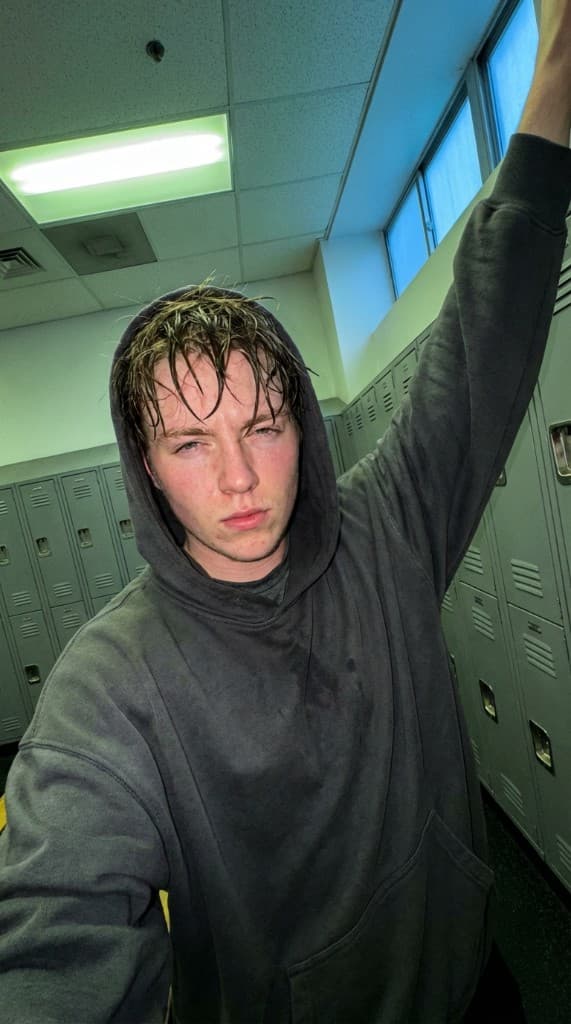
Your landing page has roughly eight seconds to convince a visitor to stay. In that window, imagery does more work than copy. A stock photo of a smiling model says nothing about your product. A lifestyle photo of someone actually using it in a relatable setting tells a story that words alone cannot. AI UGC lets you produce those lifestyle photos at scale—and test dozens of variations to find the ones that actually convert.
Why Landing Page Imagery Matters More Than You Think
Most landing page optimization advice focuses on headlines, CTAs, and form fields. Imagery is treated as decoration. That's a mistake. Eye-tracking studies consistently show that visitors look at images before reading any text. If your hero image is a generic stock photo that could belong to any competitor, you've already lost the trust battle.
The brands that win on landing pages use product-in-context imagery: real-looking people interacting with the product in environments that match the visitor's life. This is exactly what UGC-style content delivers—and why social proof advertising principles now apply to landing pages, not just ads.
Where AI UGC Fits on a Landing Page
Not every image on a landing page serves the same purpose. Here's where AI UGC makes the biggest impact.
Hero Section
The hero image is the first thing visitors see. Replace abstract stock imagery with a lifestyle photo showing a person who matches your target audience holding, wearing, or using your product. AI UGC gives you a consistent face you can reuse across the entire page, building a visual narrative rather than a random collection of photos.
Social Proof Sections
Testimonial sections convert better when paired with photos. AI UGC lets you generate realistic portrait-style compositions that sit alongside review quotes. These aren't meant to replace real customer photos—they're for brands that don't yet have customer photos but need the visual trust signals that social proof provides.
Feature Showcase Sections
Each feature block on a landing page benefits from a contextual image. Instead of icons or screenshots alone, show a person using the specific feature in a real-world setting. A fitness brand showing someone checking their watch during a run. A kitchen gadget brand showing meal prep on a counter. These images do the selling.
Below-the-Fold Product Demos
As visitors scroll, they need reinforcement. Multiple angles and scenarios of your product in use—at a desk, in a bag, on a nightstand—answer the subconscious question “would this work in my life?” AI UGC makes it easy to generate these varied scenarios with the same consistent persona.
AI UGC vs. Stock Photos on Landing Pages
| Stock Photos | AI UGC (ppl.studio) | |
|---|---|---|
| Product visibility | Generic models, no product | Your actual product in every scene |
| Face consistency | Different person in every photo | Same persona across the entire page |
| A/B test speed | Hours searching for alternatives | Generate 20 variations in minutes |
| Audience targeting | Limited by what exists in the library | Custom personas for each segment |
| Competitor overlap | Same images used by competitors | Unique to your brand |
| Cost at scale | $50–500 per image license | Flat subscription, unlimited images |
How to A/B Test Landing Page Imagery with AI UGC
The biggest advantage AI UGC gives landing page teams is volume for testing. Traditional photo shoots produce a handful of usable images per session. AI UGC lets you generate dozens of variations and test systematically. Here's a framework for running image-focused A/B tests.
Test 1: Person vs. No Person
Run your product-only hero image against a lifestyle shot with an AI expert holding the product. In most categories, person-in-shot wins—but the margin varies by audience. Test this first to set your baseline.
Test 2: Persona Demographics
Create multiple AI experts that match different audience segments. Run segment-specific landing pages where the hero persona matches the visitor. A 25-year-old woman for younger demographics, a 45-year-old professional for B2B segments. Matched-audience imagery typically lifts conversion rates by 15–30%.
Test 3: Scene and Context
Test the same product and persona in different environments: kitchen vs. office vs. outdoor. The winning context tells you what use case resonates most with your audience—information that goes beyond landing pages and into your overall creative strategy.
Test 4: Visual Style
Try different visual presets—candid selfie style, studio-lit product hero, golden hour outdoor, minimal flat lay. Some audiences respond to polished imagery, others convert better with raw, authentic UGC-style content. AI UGC makes it easy to test all of them.
Segment-Specific Landing Pages at Scale
High-performing paid acquisition teams don't send all traffic to the same landing page. They build segment-specific pages where the messaging, offer, and imagery all match the audience. The problem: creating unique imagery for each segment is expensive with traditional photography.
With AI UGC, you can create persona-specific landing pages in minutes. Running Facebook ads targeting new parents? Generate landing page imagery with a parent holding your product while managing a toddler. Targeting college students? Create a persona that matches. Each landing page feels personalized because the imagery actually reflects the viewer's reality.
This is the same principle behind dynamic creative optimization in ads, applied to landing pages. Brands running 5–10 segment-specific landing pages typically see 20–40% higher overall conversion rates compared to a single universal page.
Step-by-Step: Rebuilding Landing Page Imagery with AI UGC
Step 1: Audit Your Current Landing Pages
Identify every landing page using stock photos or product-only imagery. Prioritize pages by traffic volume and conversion rate—start with high-traffic, low-converting pages where imagery upgrades will have the biggest impact.
Step 2: Create AI Experts for Your Segments
Build 3–5 AI experts that represent your target audience segments. Each expert keeps the same face across all photos, so your landing page tells a coherent story from hero to CTA.
Step 3: Generate Hero and Supporting Images
For each landing page, generate a hero image plus 3–5 supporting lifestyle shots for feature sections, testimonial areas, and below-the-fold reinforcement. Generate at least 3 hero variations for A/B testing.
Step 4: Launch and Measure
Deploy the updated pages and run A/B tests against your current versions. Measure conversion rate, bounce rate, and time on page. Most brands see measurable improvements within the first 1–2 weeks of testing.
Step 5: Scale Winners Across Pages
Take the winning imagery patterns—persona type, scene, style—and apply them across all your landing pages. Then start testing the next variable. The marginal cost of each new image is near zero, so there's no reason to stop optimizing.
Common Landing Page Imagery Mistakes
- Using the same hero image across all segments — Different audiences need different visual hooks. A one-size-fits-all hero image leaves conversion on the table.
- Inconsistent faces across the page — If your hero shows one person but the testimonial section shows someone completely different with no explanation, it breaks the visual narrative. AI UGC solves this with consistent personas.
- Forgetting mobile — Over 60% of landing page traffic is mobile. Test how your AI UGC looks at small sizes—close-up product shots with clear composition tend to outperform wide scenic images on mobile.
- Never testing imagery — Most teams A/B test headlines and CTAs but never touch the images. Imagery changes can move conversion rates by 10–30%, often more than copy changes.
The Compounding Effect of Better Landing Page Imagery
Improving landing page conversion rate is one of the highest-leverage activities in marketing. A 20% lift in conversion rate means 20% more customers from the same ad spend. Multiply that across every campaign, every channel, every month—and the compounding impact is substantial.
AI UGC makes this kind of optimization accessible to teams of any size. You don't need a photographer, a studio, models, or weeks of lead time. You need your product, a few AI experts, and the willingness to test. The brands that treat landing page imagery as a performance lever—not an afterthought—are the ones that consistently outperform on CPA and ROAS.
Upgrade your landing page imagery today
Create AI experts that match your audience, upload your product, and generate conversion-ready lifestyle photos in 60 seconds. Test more, convert more.
Start free with ppl.studio10 free photos · no credit card required
Founder of ppl.studio. Building AI tools for product marketing teams who need visual content at scale without the production overhead.