AI UGC for Beauty and Cosmetics Brands: Product Photos at Scale
Beauty is the most visual category in e-commerce. Shoppers need to see foundation on skin that looks like theirs, lipstick in natural lighting, and skincare routines they can picture themselves doing. AI UGC makes it possible to produce that content for every shade, every model type, and every season—without a single photoshoot.
7 min read
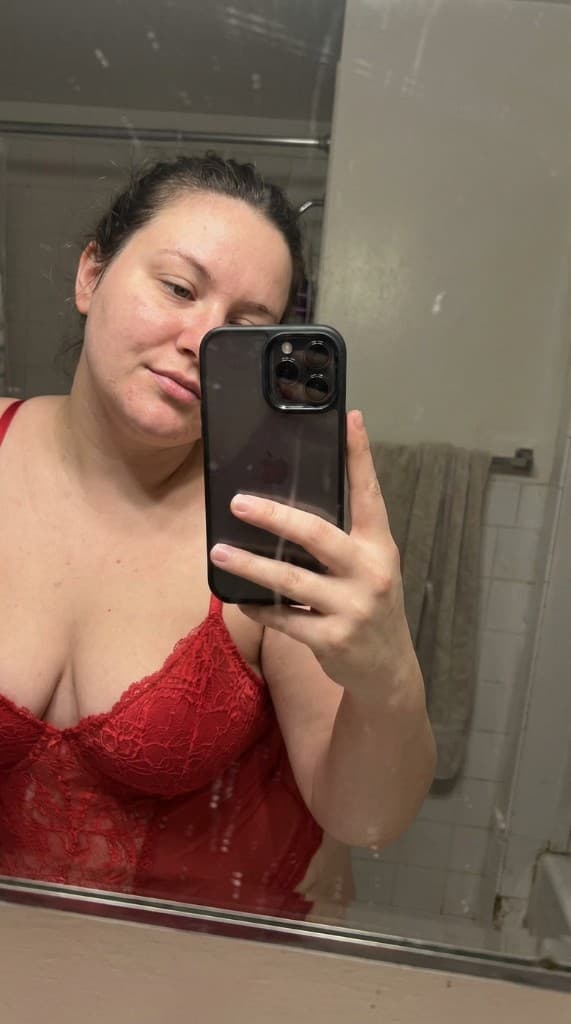
Beauty and cosmetics brands face a content problem unlike any other industry. A single foundation line can have 40+ shades. A seasonal collection drops every quarter. Social platforms demand fresh ad creative weekly. And consumers expect to see products on models who look like them—across a wide range of skin tones, ages, and styles. Traditional product photography cannot keep up. AI UGC can.
The Beauty Content Challenge: Why Traditional Shoots Fall Short
No other industry demands as much visual content variety as beauty and cosmetics. A mid-size brand launching a new lip collection might need imagery for 12 shades, shown on 5–8 different skin tones, styled for Instagram, TikTok, email, Amazon, and their own DTC site. That's hundreds of unique photos—from a single product launch.
Traditional production requires booking models, makeup artists, photographers, and studios. A full-day beauty shoot runs $3,000–15,000 depending on location and model count, and delivers 30–80 final images after retouching. When you need content at scale across dozens of SKUs and shade ranges, the math breaks down fast.
Then there's the diversity issue. Consumers want to see products on skin that looks like theirs. A 2024 study found that beauty ads featuring diverse models saw 1.5× higher engagement than those showing a single model type. But booking models across a wide range of ethnicities, skin tones, and ages for every shoot multiplies costs and scheduling complexity.
The result? Most beauty brands under-produce content. They shoot their hero products on a handful of models, reuse the same imagery for months, and leave entire shade ranges without lifestyle photos. Shoppers browsing a deep berry lipstick in shade 22 see a white-background swatch—not someone who looks like them wearing it in a real setting.
How Beauty Brands Use AI UGC
1. Swatches on diverse models
This is the highest-impact use case for beauty AI UGC. Create AI experts representing a wide spectrum of skin tones, undertones, ages, and styles. Then generate photos showing your product on each one—lipstick applied, foundation blended, eyeshadow on the lid. A 30-shade foundation range can have lifestyle imagery for every shade across multiple model types in a single afternoon.
2. Lifestyle product-in-use imagery
Beyond swatches, beauty shoppers respond to context. A woman applying serum in a bright bathroom. Someone doing their makeup in a car mirror before work. A teenager experimenting with bold eyeshadow looks in their bedroom. These social proof moments are what stop the scroll—and they're exactly what AI UGC generates at volume.
3. Flat-lay and shelfie scenes
Upload your products to the props library and generate flat-lay compositions: products arranged on marble countertops, bathroom shelves, vanity setups. Combine multiple SKUs from the same collection for a curated look. These scenes work for email headers, Pinterest pins, and product page galleries.
4. Tutorial-style and routine content
Use storyboards to build multi-step carousel ads showing a skincare or makeup routine: cleanser, toner, serum, moisturizer, SPF. Each frame features the same AI expert using a different product in sequence. This tutorial-style content drives engagement on Instagram and educational value on product pages, while maintaining brand consistency across every frame.
5. Video content with Animate
Turn your best-performing beauty photos into talking-head videos using Animate. Script a 15–30 second product review, shade recommendation, or skincare tip and generate a lip-synced video. This format dominates TikTok, Reels, and YouTube Shorts—exactly where beauty consumers spend their time.
Shade Matching and Model Diversity: AI UGC's Biggest Advantage
This is where AI UGC delivers value that traditional photography literally cannot match at the same cost. Consider the numbers: a foundation line with 40 shades needs content for every shade. Showing each shade on just 3 different skin tones means 120 unique images—for one product. Add a concealer range, a powder range, and a tinted moisturizer, and you're looking at 500+ images just for base products.
With AI UGC, you create 8–12 AI experts spanning the full range of skin tones your customers represent: fair with cool undertones, medium with warm undertones, deep with neutral undertones, and everything in between. Each expert can model any product in your catalog in under 60 seconds per generation. No casting calls, no booking conflicts, no travel. Full content at scale.
This isn't just about cost savings. It's about representation. When a shopper with deep skin browses your shade range and sees a model with a similar complexion wearing the exact shade they're considering, conversion increases. When every shade page has lifestyle imagery instead of just a white-background swatch, the entire product line benefits.
Cost Comparison: Traditional vs. AI UGC for Beauty Brands
| Expense | Traditional production | AI UGC |
|---|---|---|
| Model booking (per model/day) | $500–3,000 | $0 |
| Makeup artist | $400–1,200/day | $0 |
| Photographer + retouching | $1,000–4,000/day | $0 |
| Studio or location rental | $300–1,500/day | $0 |
| Shades with lifestyle coverage | 5–10 hero shades | Every shade, every model |
| Diverse model representation | 2–4 models per shoot | Unlimited AI experts |
| Time from shoot to final images | 2–4 weeks | Under 60 seconds |
| Monthly content cost | $5,000–20,000+ | Under $10 |
The real savings compound over time. Every new shade, seasonal collection, or limited edition that launches can have a full library of lifestyle content on day one—uploaded to your product photo library and ready to distribute across every channel.
Where Beauty Brands See the Most Impact
- DTC product pages — Shade-specific lifestyle imagery on every PDP converts browsers who need to visualize the product on their skin tone. Replace blank swatch pages with AI-generated model shots.
- Social ads — Generate 50+ ad creative variations per collection launch. Test which model, shade, and scene combination drives the best ROAS. When performance dips, run a creative refresh in minutes instead of weeks.
- Amazon listings — Beauty is one of the most competitive Amazon categories. Listings with lifestyle images in all 7 slots see significantly higher conversion than those relying on white-background packshots alone.
- TikTok Shop — Beauty is TikTok Shop's dominant category. AI UGC that looks like a real person sharing their makeup routine outperforms polished brand content every time.
- Email marketing — Personalize email imagery by segment: show warm-toned products to warm-toned audiences, highlight anti-aging lines for 40+ segments, and feature bold looks for Gen Z subscribers.
- Pinterest — Beauty is Pinterest's #1 category. Flat-lays, routine carousels, and swatch grids perform exceptionally well—all content types AI UGC excels at producing.
Tips for Beauty AI UGC That Converts
- Match your AI experts to your shade range. If you sell 30 foundation shades, create at least 6–8 AI experts spanning fair to deep skin tones. Customers need to see themselves reflected in your imagery.
- Prioritize natural lighting scenes. Beauty consumers are trained to spot overly filtered or studio-lit product photos. AI UGC scenes with natural window light, bathroom mirrors, and daylight feel more authentic and drive more trust.
- Show texture and finish, not just color. Generate close-up and mid-range shots that let shoppers see how a product looks on skin—matte vs. dewy, sheer vs. full coverage, glossy vs. satin. This detail-level imagery reduces return rates.
- Create collection stories, not one-off shots. Use storyboards to build visual narratives: a complete look using multiple products from the same collection. This increases average order value by encouraging multi-product purchases.
- Refresh seasonal content proactively. Spring pastels, summer bronzes, fall berries, winter nudes—beauty is inherently seasonal. With AI UGC, you can produce a complete seasonal creative refresh in an afternoon rather than planning shoots months in advance.
- Test aggressively with A/B variants. Generate the same product on different models, in different settings, with different styling. Read our A/B testing guide for the full framework. The beauty brands that win are the ones testing 10–20 creative variants per ad set, not 2–3.
- Don't forget the unboxing aesthetic. Generate product-in-hand and unboxing-style photos that mirror the content beauty consumers create organically on social media. This social proof format consistently outperforms traditional product photography in paid ads.
Common Questions from Beauty Brand Marketers
- “Can AI accurately represent product colors?” — You upload your actual product photos to the props library. The AI places your real product into lifestyle scenes—the bottle, tube, or palette maintains its true colors. You're not generating fictional products; you're generating realistic contexts around real ones.
- “What about skin tone accuracy?” — Each AI expert has consistent skin tone, undertone, and features across every generation. Once you create an expert with medium-warm olive skin, every photo of that expert maintains the same complexion. This consistency is actually harder to achieve with real models across multiple shoots.
- “Is AI UGC appropriate for luxury beauty?” — Absolutely. Control the aesthetic: minimalist backgrounds, high-end settings, editorial-style compositions. The AI generates what you prompt. Luxury brands use it for the same reason mass-market brands do—they need more content than any shoot schedule can deliver.
- “How do I handle seasonal and limited-edition launches?” — Upload the new product photos, select your existing AI experts, and generate a full content library the same day the product is ready. No three-week lead time for booking models and studios. Your lifestyle photography launches the same day as your product.
Building a Beauty Content Engine That Scales with Your Catalog
The brands winning in beauty e-commerce are the ones producing the most relevant visual content, fastest. A foundation brand with lifestyle imagery for all 40 shades across 8 model types outsells the competitor showing the same 3 models on their homepage. A skincare brand refreshing their ad creative weekly maintains lower CPAs than one recycling the same assets for months.
AI UGC isn't about replacing your brand aesthetic—it's about extending it to every SKU, every shade, every audience segment, and every platform. It's the difference between having 50 lifestyle photos and having 5,000. At that volume, you're not guessing what converts. You're testing, learning, and scaling what works.
Whether you're a DTC skincare startup or a multi-brand cosmetics company, the content bottleneck is the same. AI UGC removes it entirely—giving you the content at scale that modern beauty marketing demands.
Build a beauty content library that covers every shade and every audience
Upload your products, create AI experts across every skin tone, and generate lifestyle photos for your full catalog in under 60 seconds each.
Start free with ppl.studio10 free photos · no credit card required
Founder of ppl.studio. Building AI tools for product marketing teams who need visual content at scale without the production overhead.