AI UGC for Hair Care and Styling Brands: Product Photos That Show Real Results
Hair care is one of the most visually driven categories in personal care—consumers want to see how a product performs on hair that looks like theirs before they buy. But the lifestyle photography required to show results across dozens of hair types, textures, and styles is staggeringly expensive to produce. AI UGC changes the equation, letting hair care brands generate diverse, results-focused imagery on demand for every audience segment and marketing channel.
7 min read
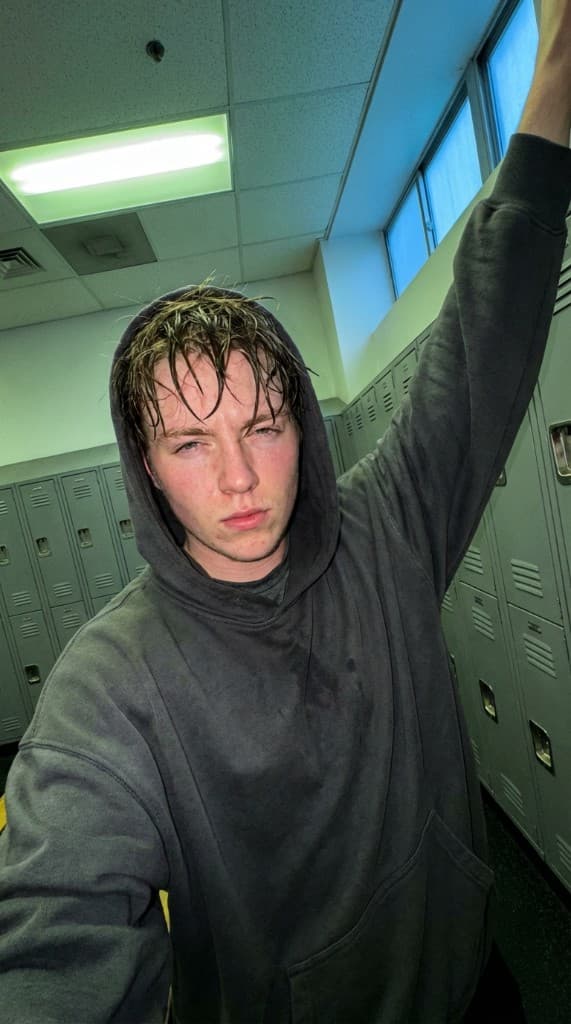
The global hair care market is valued at over $90 billion and is projected to grow at 5% annually through 2030. In this saturated market, visual content is the primary differentiator between brands that convert and brands that get scrolled past. Consumers spend an average of 3.2 seconds evaluating a hair care product listing before deciding to click or scroll—and in that window, they need to see someone with hair like theirs using the product. AI UGC makes it possible to generate that level of visual diversity at a fraction of the cost of traditional product photography, turning a $5,000–$20,000 photo shoot into a single afternoon of content creation.
Why Hair Care Brands Need More Visual Content Than Almost Any Other Category
Hair care sits at the intersection of personal identity and product performance. Unlike skincare, where results are often subtle, hair care results are immediately visible—volume, shine, curl definition, smoothness, color vibrancy. Consumers evaluate these results visually, which means the imagery you show them has to do more than look pretty. It has to demonstrate outcomes on hair that matches their own.
The content challenges unique to hair care brands include:
- Extreme hair diversity. Straight, wavy, curly, coily. Fine, medium, thick. Color-treated, natural, gray, highlighted. Short pixie cuts to waist-length locks. Every combination requires separate imagery to resonate with its audience. A product shown only on straight, fine hair alienates the majority of potential customers.
- Before-and-after expectations. Consumers have been trained by the category to expect transformation imagery. They want to see frizzy hair made smooth, limp hair made voluminous, damaged hair restored. Traditional before-and-after shoots require finding models with specific hair conditions, shooting the “before,” applying the product, and then shooting the “after”—often across multiple sessions for authentic results.
- Routine and multi-step content. Hair care brands increasingly sell systems—shampoo, conditioner, mask, serum, styling product—and need content showing the full routine in use. This means multiple products, multiple steps, and multiple angles per content set, multiplying production costs.
- Platform-specific demands. Instagram favors aspirational styling inspiration. TikTok rewards raw, tutorial-style content. Amazon requires clean, informative product-in-use imagery on white or lifestyle backgrounds. Pinterest drives discovery through hair goal boards. Each platform demands different visual approaches, and brands that repurpose the same images everywhere underperform on all of them.
- Seasonal and trend cycles. Summer heat protection, winter moisture, spring refresh, holiday styling—hair care content needs to rotate with seasons. Add trending styles (curtain bangs, wolf cuts, glass hair) and the content calendar becomes relentless.
How AI UGC Transforms Hair Care Brand Content
AI UGC addresses every one of these challenges by generating diverse, results-oriented imagery on demand. Instead of booking a salon, hiring five models with different hair types, and spending $15,000 on a single shoot that produces 40–60 usable images, hair care brands can generate hundreds of images across every hair type, style, and setting in a single session.
Hair type and texture representation
The most immediate advantage of AI UGC for hair care brands is the ability to show products on every hair type without proportionally increasing costs. Generate imagery of your volumizing shampoo on fine straight hair, thick wavy hair, natural curls, and tight coils—all in the same afternoon. This level of representation is not just inclusive marketing; it is conversion optimization. Consumers who see their hair type represented are significantly more likely to trust the product and complete a purchase.
Results-focused lifestyle imagery
AI UGC generates aspirational “after” imagery that shows the product's promise—glossy, healthy, beautifully styled hair in real-life settings. A woman with defined curls at a café. A man with a perfectly textured quiff at the office. A teenager with vibrant color-treated hair at a concert. These lifestyle images communicate results in context, which is far more persuasive than studio shots on a white background. For a deeper look at how beauty brands approach this, see our guide on AI UGC for beauty and cosmetics brands.
Routine and tutorial content
Hair care routines are a dominant content format on TikTok and Instagram Reels. AI UGC generates still imagery that supports this content—step-by-step application photos, product lineup flat lays, before-during-after sequences—providing the visual assets that accompany routine guides, carousel posts, and email tutorials. For brands that sell multi-step systems, this content directly drives cross-sell and average order value.
Content Types and Use Cases for Hair Care Brands
| Content Type | Use Case | Primary Channels |
|---|---|---|
| Hair type showcase | Same product shown on diverse hair types—straight, wavy, curly, coily—to demonstrate universal effectiveness | Website PDP, Amazon, Instagram |
| Before-and-after styling | Transformation imagery showing product results—frizz control, volume boost, curl definition, damage repair | Instagram, TikTok, ads, Amazon A+ Content |
| Routine and multi-step | Product lineup in use—shampoo, condition, style—showing the full system for cross-sell and education | Instagram carousels, email, website |
| Styling inspiration | Aspirational hairstyle imagery—updos, braids, beachy waves, sleek blowouts—with product credited as the tool used | Pinterest, Instagram, TikTok |
| Product-in-use lifestyle | People using products in real settings—bathroom mirror, getting ready, on the go—for authentic-feeling content | Social media, ads, website hero |
| Seasonal hair content | Summer UV protection, winter moisture, holiday styling, back-to-school routines tied to seasonal campaigns | Email, Instagram, Pinterest, ads |
| Ad creative variants | Multiple versions across demographics and hair types for A/B testing to find highest-converting creative per audience segment | Meta Ads, Google Ads, TikTok Ads |
| Marketplace listing images | Compliant lifestyle imagery for Amazon, Target, Ulta, and Sephora product listings that show the product in context | Amazon, Walmart, Target, Ulta |
Multichannel Strategy for Hair Care AI UGC
Hair care brands sell across more channels than almost any other personal care category—DTC websites, Amazon, retail marketplaces, social commerce, and brick-and-mortar. Each channel has different visual requirements, and AI UGC lets brands optimize for each without multiplying production costs.
Instagram and TikTok
Social platforms drive hair care discovery. Over 40% of Gen Z consumers discover new hair care products on TikTok, and Instagram remains the dominant platform for styling inspiration. AI UGC generates the volume of fresh, diverse, aspirational content that these platforms reward. Generate 20–30 unique images per week showing different hair types, styles, and settings to maintain algorithmic visibility and audience engagement.
For styling-focused content, AI UGC generates the visual assets that accompany how-to posts, carousel tutorials, and before-after Reels covers. A brand can publish daily styling inspiration without ever running out of fresh imagery, which is the single biggest content bottleneck for hair care brands on social platforms.
Amazon and marketplace listings
Amazon's algorithm rewards listings with multiple high-quality images, and A+ Content with lifestyle imagery consistently outperforms listings with product-only photos. Hair care brands on Amazon need 7–9 images per listing: hero product shots, lifestyle usage, before-after visuals, routine demonstrations, and ingredient highlights. AI UGC generates all of these at a fraction of the cost, and for brands with 20–50 SKUs, the savings compound dramatically.
Pinterest is where consumers build hair goal boards—collecting images of the hairstyles, colors, and textures they want to achieve. Hair care brands that show up in these boards with aspirational imagery drive long-term brand consideration. AI UGC generates the volume and variety of imagery needed to populate Pinterest across every hair goal, style trend, and seasonal theme, ensuring your brand is present in every relevant board.
Cost Comparison: Traditional vs. AI UGC for Hair Care Brands
| Expense | Traditional photo shoot | AI UGC |
|---|---|---|
| Photographer | $1,500–$5,000/day | $0 |
| Models (diverse hair types) | $500–$2,000/day per model | $0 |
| Hair stylist on set | $500–$1,500/day | $0 |
| Makeup artist | $400–$1,200/day | $0 |
| Studio or location rental | $500–$3,000/day | $0 |
| Post-production retouching | $500–$2,000 | $0 |
| Usable images per production day | 30–50 | Unlimited |
| Hair types represented per shoot | 2–3 (limited by model budget) | Unlimited |
| Turnaround time | 2–6 weeks (booking to final edit) | Same day |
| Annual content production cost | $15,000–$80,000+ (3–5 shoots) | Under $120 |
Best Practices for Hair Care Brand AI UGC
- Represent the full spectrum of hair types. Generate imagery across the full range—Type 1 (straight) through Type 4 (coily), fine to coarse, short to long. The brands that show real hair diversity build trust with underserved audiences and expand their addressable market. If you sell a curl cream, show it on 4a, 4b, and 4c curls, not just one texture.
- Show results in context, not just on a white background. A woman running her fingers through glossy hair at a dinner party communicates product effectiveness far more persuasively than a studio shot. Generate lifestyle photography that shows hair in real-life situations—outdoors, at work, on dates, at events.
- Build seasonal content libraries in advance. Generate summer frizz-control imagery in spring, holiday styling content in early fall, and back-to-school routines in July. Being ahead of the seasonal curve ensures your content is live when consumers start searching, not after they have already bought from a competitor.
- Optimize for each platform's visual language. Pinterest imagery should be clean, aspirational, and vertically oriented. Instagram feed posts should be editorial and polished. TikTok stills should feel raw and authentic. Amazon images need clean backgrounds and compliance with marketplace guidelines. Generate platform-specific versions rather than using the same crop everywhere.
- Test demographics in ad creative. Hair care is deeply personal. Generate ad variants showing your product on different hair types, ages, and ethnicities, then let Meta and TikTok's algorithms match the most relevant creative to each audience segment. This demographic-matched creative consistently outperforms one-size-fits-all imagery by 30–50% in click-through rate.
- Use routine content to drive cross-sell. Generate imagery showing your full product lineup in a morning or evening routine. When a customer sees three products working together, they add all three to cart instead of just one. Carousel posts and email sequences built around routine content consistently drive higher average order values.
The ROI Case for Hair Care Brands
Hair care is a high-frequency repurchase category with strong brand loyalty once established. The average consumer spends $75–$150 per year on hair care products, and premium brands command $30–$60 per bottle. In this market, the return on better visual content compounds over time: a new customer acquired through compelling, hair-type-specific imagery does not just buy once—they subscribe, repurchase, and add complementary products to their routine.
Consider the math for a mid-market hair care brand: if AI UGC-powered product pages and ads increase conversion rate by 0.5% on a product with a $35 average order value and 100,000 monthly visitors, that is 500 additional conversions per month—$17,500 in incremental monthly revenue, or $210,000 per year. Factor in the customer lifetime value of those new customers (average 2.5 years of repurchase at $35 per quarter) and each converted customer is worth $350 over their lifetime.
Against an AI UGC cost of under $120 per month, the ROI is not incremental—it is transformational. And the savings extend beyond direct revenue: the hours your team spends coordinating photo shoots, sourcing models, and managing post-production are reallocated to strategy, product development, and customer engagement. The real cost of traditional hair care photography is not just the invoice from the studio—it is the opportunity cost of all the content that never gets created because production is too slow, too expensive, or too limited in diversity.
Hair care imagery for every hair type—on demand
Generate diverse, results-focused lifestyle photos for Instagram, TikTok, Amazon, and your website. No photo shoot, no model bookings, no salon rental.
Start free with ppl.studio10 free photos · no credit card required
Founder of ppl.studio. Building AI tools for product marketing teams who need visual content at scale without the production overhead.