AI UGC for Pet Brands: Product Photos That Connect with Animal Lovers
The pet industry is worth $150B+ and growing. But shooting product photography with real animals is expensive, unpredictable, and hard to scale. Here's how AI UGC changes the equation.
5 min read
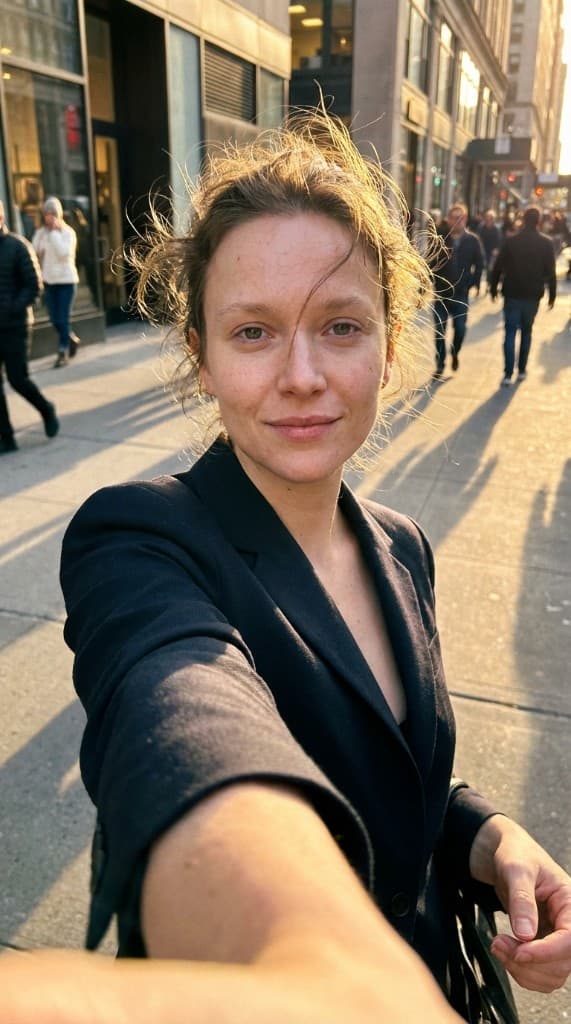
Pet product photography has a unique challenge: animals don't follow directions. A single lifestyle shoot with a dog, a model, and your product can cost $1,500–5,000 and deliver maybe 10–15 usable images after hours of coaxing, treats, and retakes. AI UGC eliminates the unpredictability entirely.
Why Pet Brands Need More Content Than Most
Pet owners are emotionally invested buyers. They scroll past generic product shots but stop for photos showing products in context—a dog wearing a harness on a hiking trail, a cat next to a premium food bowl, a puppy curled up on a branded bed. This lifestyle photography is what converts browsers into buyers.
The problem is volume. A typical pet brand sells across multiple categories—food, treats, toys, grooming, accessories, health—each with dozens of SKUs. Creating lifestyle content for every SKU across every season, platform, and audience segment would require constant photoshoots. Most brands settle for a few hero shots and reuse them until they're stale.
The AI UGC Playbook for Pet Products
1. Create AI experts who look like your target customers
Build 4–6 AI experts representing your core demographics. For a premium dog food brand, that might be: a millennial woman with a golden retriever vibe, a fitness-oriented man (active dog owner), and a family-oriented parent. Each expert becomes a recognizable face across your campaigns.
2. Upload product photos to the props library
Add your product line to the props library. Bags of food, chew toys, leashes, supplements—upload once, use across unlimited generations. The AI places products naturally in each scene.
3. Generate lifestyle scenes at scale
Generate product-in-scene photos across environments pet owners relate to: parks, living rooms, backyards, hiking trails, pet stores. Each generation takes under 60 seconds. In one session, you can produce more lifestyle content than a full-day photoshoot—without a single animal on set.
4. Extend to video with Animate
Turn top-performing photos into talking-head videos using Animate. Record a script about product benefits, generate a lip-synced video, and post it as a Reel, TikTok, or video ad.
Where Pet Brands See the Most Impact
- Amazon listings — Fill all 7 image slots with lifestyle photos showing people with your products in real-world settings. Listings with lifestyle imagery see 5–20% higher conversion.
- Social ads — Generate dozens of ad creative variations to combat ad fatigue. Test which expert, scene, and product combination resonates with dog owners vs. cat owners.
- TikTok Shop — Create feed-native content that looks like a real pet owner sharing their favorite product, not a brand ad.
- Email campaigns — Fresh lifestyle imagery for every email send, segmented by pet type, season, or product category.
- Seasonal promotions — Generate holiday, summer, and back-to-routine themed content without scheduling new shoots.
Cost Comparison: Traditional vs. AI UGC for Pet Brands
| Expense | Traditional shoot | AI UGC |
|---|---|---|
| Animal wrangler | $300–800/day | $0 |
| Model + photographer | $500–2,000/day | $0 |
| Studio or location rental | $200–1,000/day | $0 |
| Usable photos per session | 10–20 | Unlimited |
| Monthly content cost | $2,000–8,000+ | Under $10 |
See our pet brand case study for a real example of this cost reduction in action.
AI UGC by Pet Product Category
Different product categories need different visual approaches. Here's how AI UGC maps to the major pet product types:
- Food and treats — Show the pet owner preparing or serving the product. Close-up of the product label alongside a person and their dog is the highest-performing format on Meta. Use warm kitchen scenes for premium positioning.
- Accessories (collars, leashes, harnesses) — Active outdoor scenes. An expert on a hiking trail or walking path with your accessory naturally in frame. These perform on Pinterest and Instagram where aspirational lifestyle content dominates.
- Beds and home products — Cozy interior scenes. A person reading or relaxing with an implied pet nearby. Lifestyle staging over product display. This format converts on Facebook and in email campaigns.
- Health and supplements — Trust-forward imagery. An expert that reads as knowledgeable—slightly more professional, with the supplement product featured clearly. This category benefits from FAQ-style captions alongside the imagery.
- Grooming — Before/after framing. An expert with a well-groomed dog and your grooming product visible in the scene. The payoff imagery (clean, happy animal) is what converts, but the person holding the product provides the UGC authenticity.
Platform-Specific Strategy for Pet Brands
Pet content performs differently across channels. Match your AI UGC format to where pet owners actually buy:
- Amazon — Fill all 7 image slots. Slot 1: white background hero. Slots 2–5: AI UGC lifestyle images (person with product in relevant setting). Slots 6–7: infographic or comparison. Listings with lifestyle imagery in slots 2–5 see 5–20% higher conversion rates on Amazon than product-only sets.
- TikTok Shop — Use Animate to turn your best lifestyle images into 15–30 second talking-head clips. Pet owners on TikTok respond to personal recommendation framing: “This is the only [product] I've found that…” rather than feature-led copy.
- Meta ads — Test expert variation against audience segments. Dog owners and cat owners respond to different visual cues. Generate separate creative sets with distinct expert personas for each primary pet type you serve.
- Email (Klaviyo) — Generate seasonal refresh sets quarterly—summer, back-to-school (yes, pet owners buy back-to-school supplies for their pets), fall, and holiday. Fresh imagery in automated flows keeps unsubscribe rates flat through repeat sends.
Frequently Asked Questions
Can AI UGC generate actual animals in product photos?
AI UGC generates the human element—the pet owner holding, using, or showcasing your product in a lifestyle setting. The product itself comes from your props library. The AI places the person and product in a scene context. For pet-specific settings (outdoor trails, cozy living rooms, pet stores), the environment is generated to match the scene prompt without requiring a real animal on set.
Will AI-generated pet brand content look authentic to pet owners?
Pet owners respond to the same social proof signals as any consumer: a real-looking person using the product in an everyday setting. The key is matching the expert persona to the buyer profile—a millennial woman with an active lifestyle for performance dog accessories, a nurturing home-centered person for premium food brands. AI UGC achieves this persona matching at scale.
How many AI UGC images does a pet brand need to start?
Start with 15–20 lifestyle images per hero SKU. Create 3–4 AI experts representing your core demographics, 3–5 scene types (indoor, outdoor, active, cozy, seasonal), and 2–3 compositions per scene. This gives you 30–60 unique combinations per product—enough to run 3–4 months of testing before refreshing. See the creative scaling playbook for the full workflow.
Scale your pet brand content without the chaos
Upload your products, create AI experts who look like your customers, and generate lifestyle photos in under 60 seconds. No animals harmed—or wrangled.
Start free with ppl.studio10 free photos · no credit card required
Founder of ppl.studio. Building AI tools for product marketing teams who need visual content at scale without the production overhead.