AI UGC for Music and Entertainment Marketing: Fan-Style Content at Scale
Music and entertainment marketing runs on one thing: the visible energy of fans. Photos of people singing along at concerts, wearing artist merch in everyday life, reacting to a new album drop, or lining up for a film premiere—this is the content that drives discovery and sells tickets. But sourcing authentic AI UGC fan content at scale has always been a logistical nightmare. Rights clearances, model releases, event photography crews, and the sheer unpredictability of real-world shoots make it expensive and slow. AI UGC changes the calculus entirely.
6 min read
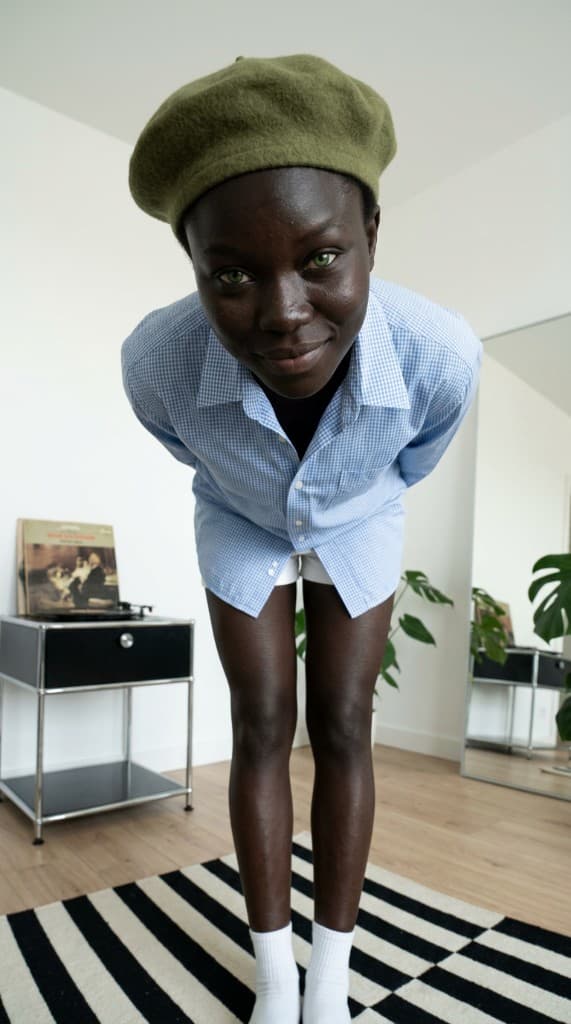
The entertainment industry spends billions on marketing, yet most of that budget goes to polished hero assets—key art, official trailers, press photos. What's chronically underproduced is the mid-funnel and bottom-funnel content that actually converts: fan-perspective imagery, lifestyle merch photos, event-anticipation posts, and the kind of raw, relatable visuals that populate social feeds. AI UGC fills this gap by generating authentic-looking fan content featuring diverse AI personas in entertainment contexts, all without a single rights negotiation.
Why Entertainment Brands Need Fan-Style Content
Entertainment marketing operates differently from most industries. The product is an experience—a song, a show, a game, a live event—and the best advertising doesn't look like advertising at all. It looks like someone having the time of their life. That's why social proof imagery is so powerful in this vertical: it signals belonging, excitement, and cultural relevance.
The challenge is that traditional fan content comes with significant friction:
- Rights and releases: Every recognizable face in a crowd photo needs a model release for commercial use. Concert photographers capture thousands of faces per event, making clearance practically impossible at scale.
- Quality inconsistency: Real fan photos range from stunning to unusable. Lighting at venues is unpredictable, phone camera quality varies, and you can't art-direct a crowd.
- Timing gaps: You need fan-style content to promote an event before it happens, but you don't have fan photos until after the event. This chicken-and-egg problem plagues every tour announcement, album pre-save campaign, and film pre-release push.
- Demographic limitations: Your actual fans at any given event may not represent the full diversity of your audience. AI UGC lets you create content that reflects the audience you're trying to reach, not just the audience that showed up to one specific venue.
Entertainment Verticals and AI UGC Use Cases
| Vertical | Content Type | AI UGC Application |
|---|---|---|
| Record labels | Album promo, playlist placement ads | Fans wearing headphones, reacting to new music, sharing on phone screens |
| Concert promoters | Tour announcements, ticket sales | Crowd-energy scenes, fans in venue settings, group excitement visuals |
| Streaming platforms | Subscription ads, feature promos | People enjoying music on commutes, at home, during workouts |
| Film & TV studios | Premiere buzz, franchise merchandise | Moviegoers at theaters, fans wearing franchise apparel, watch-party scenes |
| Gaming companies | Game launches, esports events | Players reacting to gameplay, wearing gaming merch, at gaming setups |
| Merch brands | Apparel and accessories sales | Lifestyle shots of people wearing band tees, festival gear, fan accessories |
Each vertical has its own visual language, but the underlying principle is the same: show real-looking people experiencing the entertainment product in contexts that feel organic, not staged. This is exactly what lifestyle photography powered by AI delivers.
Building a Fan-Style AI UGC System for Entertainment
Step 1: Create Your Fan Personas
Start by building AI experts that represent your target fan demographics. A hip-hop label promoting a new artist needs different personas than a classical music subscription service or a gaming franchise. Think about age ranges, style, and the settings where your fans actually consume your content—bedrooms, commutes, festivals, living rooms, gyms.
Create 5–10 diverse personas per campaign. This gives you enough variety for creative testing while maintaining a consistent fan identity across your content. Each persona should feel like a real fan, not a model—casual styling, natural expressions, and believable settings.
Step 2: Stage Entertainment-Specific Scenes
Use the Props Library to place your actual products—album covers, merch items, event tickets, streaming interfaces—into scenes. The magic of entertainment AI UGC is in the context: a person wearing your artist's merch while grabbing coffee, someone listening through branded earbuds on a subway, a group of friends gathered around a screen for a watch party.
Plan your scenes with Storyboards to build visual narratives. A concert promotion campaign might follow a fan from seeing the announcement on their phone, to getting ready for the show, to the venue itself. This sequential storytelling mirrors how fans actually experience entertainment moments and makes your advertising feel native to social feeds.
Step 3: Generate Video Content with Animate
Static photos are just the starting point. Animate turns your AI fan personas into talking-head reaction videos, unboxing-style merch reveals, and faux-testimonial clips. A fan excitedly talking about tour dates, a gamer reviewing a new release, or a moviegoer recommending a film—these video formats consistently outperform static ads on Instagram Reels, TikTok, and YouTube Shorts.
Campaign Playbooks by Entertainment Format
Album and Single Releases
The release cycle for music is compressed and intense. You need pre-save campaign content weeks before launch, release-day buzz content, and sustained post-release promotion to keep the track climbing. AI UGC gives you a content engine that matches this pace:
- Pre-save phase: Generate images of fans discovering the track on their phones, sharing it with friends, or adding it to playlists. These visuals drive pre-save clicks by showing the social behavior you want to trigger.
- Release day: Flood social channels with diverse fan reactions—people listening through headphones with eyes closed, dancing in their kitchen, playing the track in the car. Volume matters on release day, and AI UGC lets you produce 20–30 unique assets in a single session.
- Sustained promotion: Keep the track visible with fresh lifestyle content weekly. Rotate personas, settings, and scenarios to avoid ad fatigue while maintaining the campaign's visual identity.
Tour and Event Promotion
Tour marketing has a unique challenge: you're selling an experience that hasn't happened yet. AI UGC solves this by generating aspirational concert-energy imagery—fans in venue-like settings, groups arriving at events, the anticipation of a night out. These visuals create emotional urgency that drives ticket sales far more effectively than lineup posters or venue photos.
For festivals and multi-day events, generate content that shows the full experience: camping at the festival grounds, discovering new artists, wearing festival fashion, and the communal energy of large-scale gatherings. This lifestyle-forward approach is exactly how outdoor and experiential brands use AI UGC to sell participation in an experience.
Streaming Platform Growth
Music and video streaming platforms compete on content library, price, and user experience. AI UGC shifts the advertising from feature-comparison messaging to emotional, lifestyle-driven creative. Show people enjoying music during every moment of their day: morning routines, workouts, commutes, cooking dinner, winding down at night. The product becomes invisible—the experience becomes the ad.
Generate audience-segmented creative for different subscriber profiles. A family plan ad shows parents and kids enjoying content together. A student plan ad shows young adults studying with music, attending virtual watch parties, or sharing playlists. Each segment gets custom visuals that reflect their specific use case.
Merchandising and Fan Commerce
Entertainment merch is a $60+ billion global market, and it's increasingly sold online where product photography determines conversion rates. Traditional merch photography faces the same problems as fashion ecommerce: you need diverse models wearing the product in aspirational settings, and studio shoots for every new drop are cost-prohibitive.
AI UGC is a natural fit for merch marketing:
- Band and artist merch: Show AI personas wearing tour tees, hoodies, and accessories in everyday settings—not on a mannequin or flat lay. Streetwear styling, coffee-shop candids, and festival-ready outfits make merch feel like fashion, not just fandom.
- Limited drops and collaborations: Generate launch content for limited-edition merch before the physical product ships. Lifestyle imagery builds anticipation and drives pre-orders without waiting for sample photography.
- Gaming and franchise collectibles: Show people displaying collectibles on shelves, unboxing special editions, or wearing gaming peripherals. The lifestyle context elevates the perceived value of the product.
- Cross-channel merch ads: Repurpose the same AI UGC across your Shopify store, Facebook ads, and email campaigns with consistent visuals that reinforce brand consistency.
Getting Started: From First Asset to Full Campaign
Entertainment marketing teams can go from zero to a full AI UGC content library in a single afternoon. Here's the practical sequence:
- Define 3–5 fan archetypes that represent your core audience segments. Build each as an AI persona with appropriate age, style, and energy level.
- Upload your product assets to the Props Library—album artwork, merch photography, app interfaces, event branding, or ticket designs.
- Generate 10–15 scenes per campaign across different settings and moments. Prioritize the contexts where fans actually engage with your product: commutes, workouts, social gatherings, bedrooms, and live events.
- Create video variants with Animate for platforms that reward motion: Reels, TikTok, YouTube Shorts, and connected TV.
- Test and iterate using a creative testing framework. Entertainment audiences respond strongly to emotional resonance, so test different expressions, group sizes, and settings to find what drives the highest engagement rates.
The entertainment brands that win in 2026 won't be the ones with the biggest production budgets—they'll be the ones that produce authentic, fan-first content at the speed their audience expects. AI UGC makes that speed possible without sacrificing the emotional authenticity that entertainment marketing demands.
Build your entertainment marketing visual library
Generate fan-style lifestyle photos, concert-energy visuals, and merch-forward content for every channel—in minutes, not months.
Start free with ppl.studio10 free photos · no credit card required
Founder of ppl.studio. Building AI tools for product marketing teams who need visual content at scale without the production overhead.