AI UGC for Podcast and Audio Brand Marketing: Visual Content for an Audio-First Medium
How to create promotional visuals, social content, episode artwork, and sponsor deliverables for your podcast—without a video production team or design budget.
10 min read
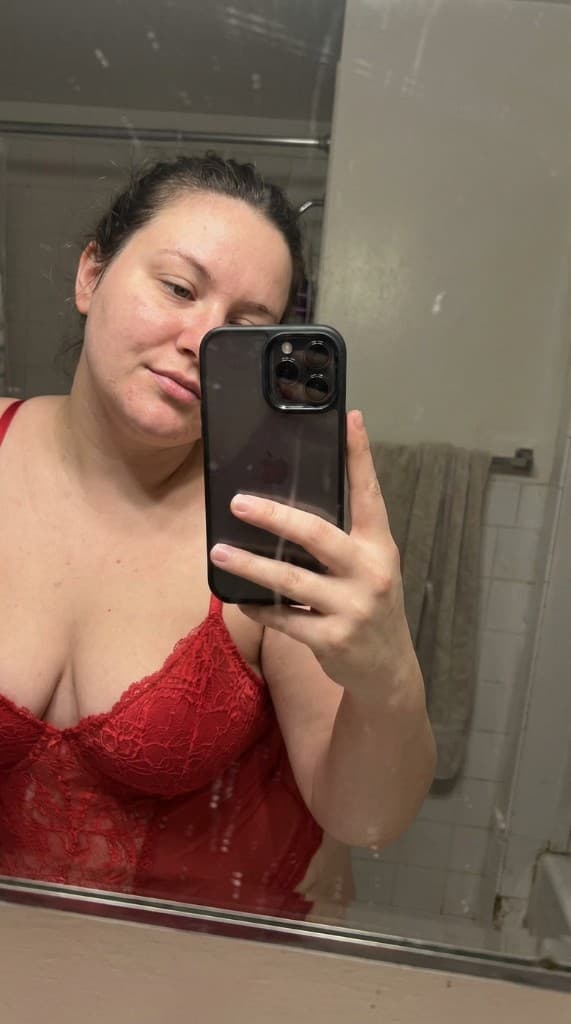
Podcasting is an audio-first medium, but it lives in a visual-first world. Every platform where you promote your show—Instagram, TikTok, YouTube, X, LinkedIn, newsletters—demands eye-catching imagery. The paradox: you chose audio because you love the spoken word, and now you need a steady stream of visual content to grow. AI UGC resolves this tension by giving podcast hosts and audio brands a way to produce promotional visuals at scale, without cameras, studios, or design teams.
The Visual Content Paradox for Audio-First Brands
Podcasters face a content creation challenge that doesn't exist for other media types. A YouTuber creates video, which naturally yields thumbnails, clips, and social stills. A blogger creates text, which search engines index directly. But a podcaster creates audio—invisible content that needs a visual wrapper to exist on social media, in newsletters, and across ad platforms.
The typical podcast promotion toolkit is painfully limited:
- Static cover art — The same square image appears on every episode in every app. It's essential for recognition but useless for promoting individual episodes on social media.
- Audiogram tools — Waveform animations over a static background. These were novel in 2020 but now blend into the feed. Engagement rates on audiograms have dropped as they've become ubiquitous.
- Quote cards — Text-on-background graphics pulled from episode transcripts. Low effort, low engagement. They don't stop the scroll.
- Host selfies — Casual photos of the host with headphones. Authentic but repetitive, and many podcast hosts are not comfortable in front of a camera—that's why they chose audio.
- Guest headshots — Often low resolution, inconsistent in style, and provided reluctantly. They don't match your brand aesthetic.
None of these options create the scroll-stopping content that actually grows an audience on visual platforms. Podcast discovery increasingly happens on social media, and the shows that grow are the ones that look professional, consistent, and visually engaging across every touchpoint.
How AI UGC Works for Podcast Marketing
AI UGC tools let you generate lifestyle photography featuring AI-generated personas in contextual environments. For podcast marketing, this means creating promotional images that show people engaging with your content—listening on headphones during a commute, discussing topics at a coffee shop, or reacting to a powerful interview moment.
The key advantage for podcasters: each AI persona maintains a consistent face across all generated images. You can create a recurring visual character that becomes associated with your show, appearing across episode promotions, social posts, and ad creative. This builds brand consistency without requiring the host or guests to pose for photoshoots.
You can also incorporate your podcast branding—logo, colors, cover art—into the generated scenes, ensuring every image feels on-brand even when it's showing people in everyday settings.
Podcast Content Types You Can Create with AI UGC
A podcast marketing strategy requires visual content across multiple formats and channels. Here's a breakdown of what AI UGC can produce.
| Content Type | Purpose | AI UGC Approach |
|---|---|---|
| Episode promotion graphics | Drive listens for each new episode across social channels | Generate themed lifestyle images matching the episode topic with consistent AI personas |
| Social media thumbnails | Native-looking images for Instagram, X, LinkedIn, and Facebook posts | Create platform-optimized images of people in listening scenarios with branded overlays |
| YouTube episode thumbnails | Click-through optimization for video podcast uploads | Generate high-impact reaction-style images that mirror the YouTube thumbnail best practices |
| Guest promo images | Provide guests with professional share-ready graphics for cross-promotion | Create styled images featuring the episode theme that guests can share to their own audiences |
| Newsletter header images | Visual hook for episode announcement emails and subscriber newsletters | Generate unique header images for each send that connect the visual to the episode topic |
| Sponsor deliverables | Provide ad read partners with visual proof-of-performance content | Create lifestyle scenes showing the sponsor's product being used naturally by your AI persona |
| Merch mockups | Promote podcast merchandise without physical product photography | Generate product mockups of branded apparel and accessories on AI personas |
| Paid ad creative | Audience growth campaigns on Facebook, Instagram, and Spotify | Generate 15–20 ad creative variations for creative testing across platforms |
| Audiogram visual backgrounds | Replace generic waveform backgrounds with engaging lifestyle scenes | Create custom background images for audio clips that show relevant listening scenarios |
Episode Promotion: Making Every Release Visual
Each new episode is a marketing moment, but most podcasters treat them identically—same cover art, same “new episode out now” template, same audiogram format. This trains your audience to ignore your posts because they all look the same.
Topic-Themed Imagery
Instead of generic listening graphics, generate images that match the episode's subject matter. If you're releasing an episode about productivity, create an image of someone working efficiently in a clean office space with headphones on. If the episode covers travel, generate someone listening at an airport or on a scenic hike. The visual immediately communicates the topic and gives potential listeners a reason to tap.
Carousel and Multi-Image Posts
Instagram and LinkedIn carousels consistently outperform single-image posts for engagement. AI UGC lets you create 5–8 images per episode: the main promotion graphic, behind-the-scenes style images, topic-specific scenes, and a call-to-action closing slide. This transforms a simple “new episode” announcement into an engaging visual story.
Platform-Specific Sizing and Style
Different platforms demand different visual treatments. A square image for Instagram feed differs from a vertical Story, which differs from a horizontal YouTube thumbnail, which differs from a LinkedIn post. AI UGC makes it practical to generate images in multiple aspect ratios and styles for each episode, rather than force-fitting one image across all platforms.
Guest Promotion and Cross-Marketing
Interview podcasts depend on cross-promotion. When a guest shares the episode with their audience, it's the most valuable marketing a show can get. But guests will only share content that looks good enough to represent their personal brand.
Creating Share-Ready Guest Graphics
Instead of sending guests a basic graphic with their headshot and your logo, generate professional lifestyle images that reflect the guest's expertise and the conversation's theme. A business guest might be shown in a boardroom setting; a wellness expert in a serene outdoor space. These images feel premium enough that guests proactively share them, not out of obligation but because the content enhances their own feed.
Building a Guest Media Kit
For each guest episode, provide a mini media kit: 3–4 images optimized for different platforms, pre-written captions, and links. When the barrier to sharing is zero, guests share more. AI UGC makes it economical to produce this kit for every guest, not just high-profile ones.
YouTube Thumbnails for Video Podcasts
The video podcast format has exploded, and YouTube is now a major podcast discovery platform. But YouTube thumbnails follow different rules than podcast cover art. They need to be bold, emotional, and immediately communicative of the video's value.
AI UGC for YouTube thumbnails lets you create reaction-style and scenario-based thumbnails that drive clicks. Instead of a static screenshot from your recording, generate a dynamic scene that visualizes the episode's hook. Test multiple thumbnail variations to find which ones maximize click-through rate.
Sponsor Deliverables and Monetization
Podcast sponsorships are evolving beyond simple audio ad reads. Sponsors increasingly want visual content—social media posts, newsletter placements, and brand ambassador-style imagery—as part of sponsorship packages. AI UGC lets you offer these deliverables without the overhead of traditional product photography.
Creating Sponsor Product Imagery
When a sponsor sends you their product, you can generate lifestyle images showing your podcast's AI persona naturally using the product. A morning routine podcast sponsored by a coffee brand could generate images of the persona enjoying coffee while listening to the show. This gives sponsors visual proof-of-partnership content that goes far beyond a mention in an ad read.
Upgrading Your Sponsorship Packages
By bundling AI UGC deliverables into your sponsorship tiers, you can charge higher rates. A standard tier might include the audio ad read plus one social media image. A premium tier could include 5–8 custom lifestyle images featuring the sponsor's product, newsletter placement with custom header imagery, and a dedicated Instagram Story set. The marginal cost to you is minimal; the perceived value to the sponsor is significant.
| Sponsorship Tier | Audio Deliverables | AI UGC Visual Deliverables |
|---|---|---|
| Basic | Pre-roll or mid-roll read (30–60 sec) | 1 social media graphic with sponsor product |
| Standard | Mid-roll read + host endorsement | 3 lifestyle images + newsletter header |
| Premium | Dedicated segment + multi-episode mentions | 8 lifestyle images + Story set + ad creative package for sponsor to use |
| Partnership | Co-branded episode + ongoing mentions | Full visual campaign: 15+ images, seasonal refreshes, cross-platform creative |
Merch Marketing Without Inventory Photography
Podcast merch—t-shirts, mugs, hats, stickers—is a growing revenue stream for audio brands. But marketing merch requires product photos, and most podcasters use print-on-demand services that ship directly to customers. You may never hold the product yourself.
AI UGC creates realistic product mockups showing people wearing or using your branded merchandise in lifestyle settings. Instead of a flat t-shirt mockup on a white background, generate an image of your AI persona wearing the shirt at a coffee shop, at a concert, or on a city street. This mirrors the approach used by print-on-demand businesses to sell products they've never physically held.
Paid Audience Growth Campaigns
Many podcasters invest in paid ads to grow their listener base, particularly on Facebook, Instagram, and Spotify. The challenge is that podcast ad creative tends to be static and uninspiring—a cover art image with “Listen Now” overlaid. These ads underperform because they don't stop the scroll.
Creating High-Converting Podcast Ad Creative
AI UGC produces ad imagery that looks like organic social content—people in real-world settings engaging with your podcast. This feed-native content outperforms polished brand creative in social feeds because it doesn't trigger the mental ad filter that users have developed.
Generate 15–20 ad variations: different personas, different listening scenarios, different emotional tones. Run them through structured A/B testing to identify which combinations of persona, scene, and messaging drive the most listens per dollar spent.
Combating Creative Fatigue in Podcast Ads
Ad fatigue is the primary reason podcast growth campaigns plateau. The same ad image shown to the same audience for weeks loses its impact. With AI UGC, implement a creative refresh cadence that swaps in new visuals every 5–7 days. The cost per new image is negligible compared to the performance improvement from fresh creative.
Building Podcast Brand Identity Through Consistent AI Personas
One of the most powerful applications of AI UGC for podcasts is creating a consistent visual identity through recurring AI personas. Think of it as building AI influencers for your show.
In ppl.studio, create 2–3 AI experts that represent your listener persona. These characters appear across all your promotional content—episode graphics, social posts, ads, and newsletter imagery. Over time, your audience starts to recognize these faces as part of your show's visual identity, creating a sense of familiarity and community.
This is particularly powerful for podcasts without a video component. When listeners can't see the host, a consistent visual character gives them something to associate with the show beyond the cover art.
Step-by-Step: Building Your Podcast Visual Library
Step 1: Define Your Listener Persona Visually
Who is your ideal listener? A 30-something professional commuter? A fitness-minded early riser? A college student studying in a library? Create 2–3 AI experts that embody your listener demographics. These personas will serve as the recurring faces in all your promotional content.
Step 2: Create Scene Templates by Content Type
Establish a set of scene types that you'll use regularly: commute listening, home listening, gym listening, coffee shop, outdoor walk. These become your visual templates that you can customize for each episode's topic.
Step 3: Batch-Generate Episode Promotion Assets
For each episode, generate 4–6 images: a primary social promotion graphic, 2–3 platform-specific variations, a guest promo image (if applicable), and a newsletter header. At 2–4 episodes per month, this gives you 16–24 unique visual assets per month without any production overhead.
Step 4: Build Your Ad Creative Library
If you're running growth campaigns, prepare 15–20 ad variations before launching. Use different AI personas, different listening scenarios, and different emotional hooks. Plan for bi-weekly creative refreshes to maintain performance.
Step 5: Create Sponsor Visual Packages
For each sponsor, generate a set of lifestyle images featuring their product in your podcast's visual context. Deliver these proactively as part of your sponsorship agreement. Sponsors who receive visual assets are more likely to renew and increase their spend.
Email Newsletter Visuals for Podcast Growth
Email marketing is a critical growth channel for podcasts. Newsletter open rates for podcast-related emails average 30–40%, and a compelling header image can significantly boost click-through rates to your latest episode.
Instead of using the same cover art in every newsletter, generate unique header imagery for each send. A newsletter about a business strategy episode might feature someone in a modern office with a notepad. A true crime episode could use a moody, atmospheric street scene. Visual variety keeps subscribers engaged and reduces unsubscribe rates.
Common Mistakes Podcasters Make with Visual Content
- Using cover art as promotional content — Your cover art is designed for a 1-inch square in a podcast app. It doesn't work as a social media post. Generate separate promotional imagery for each channel.
- Inconsistent visual identity — A different style for every post makes your show unrecognizable in the feed. Establish a consistent set of AI personas, color palettes, and scene styles that become your visual brand.
- Ignoring platform-specific requirements — An image that works on Instagram feed doesn't work as a YouTube thumbnail or a LinkedIn post. Generate platform-specific versions of each promotion.
- Running the same ad creative for weeks — Podcast growth ads need frequent creative refreshes. Budget your AI UGC generation to support weekly or bi-weekly creative swaps.
- Not providing guests with share-ready assets — Cross-promotion is your most valuable growth lever. Make it effortless for guests by providing professional, share-ready graphics for every platform they're active on.
- Underinvesting in sponsor visual deliverables — Sponsors who receive visual assets feel they're getting more value. This justifies higher rates and drives renewals. Don't leave money on the table by limiting sponsorship packages to audio-only deliverables.
Turning an Invisible Medium Into a Visual Brand
The podcasts that break through the noise in 2026 aren't just the ones with the best audio. They're the ones that show up visually on every platform where potential listeners spend time. But building a visual content machine has traditionally required skills, time, and budgets that most podcasters don't have.
AI UGC changes the math. You can produce professional promotional visuals for every episode, maintain a consistent visual brand across all platforms, upgrade your sponsorship packages with visual deliverables, and run growth campaigns with enough creative variation to actually perform—all from a tool that takes seconds per image.
The audio is why listeners stay. The visuals are how they find you in the first place. AI UGC makes both possible without forcing you to become a visual content creator on top of everything else you already do.
Give your podcast the visuals it deserves
Create an AI persona for your show, pick a scene, and get scroll-stopping promotional images in 60 seconds. No cameras, no designers, no production delays.
Start free with ppl.studio10 free photos · no credit card required
Founder of ppl.studio. Building AI tools for product marketing teams who need visual content at scale without the production overhead.