How a Nonprofit Created 200+ Campaign Photos for Donor Outreach with AI UGC
From $3,000/month in stock photography and staged volunteer photo costs to ~$400/month with AI UGC—generating 200+ diverse campaign photos for donor outreach emails, social media, annual reports, and fundraising materials in just 8 days.
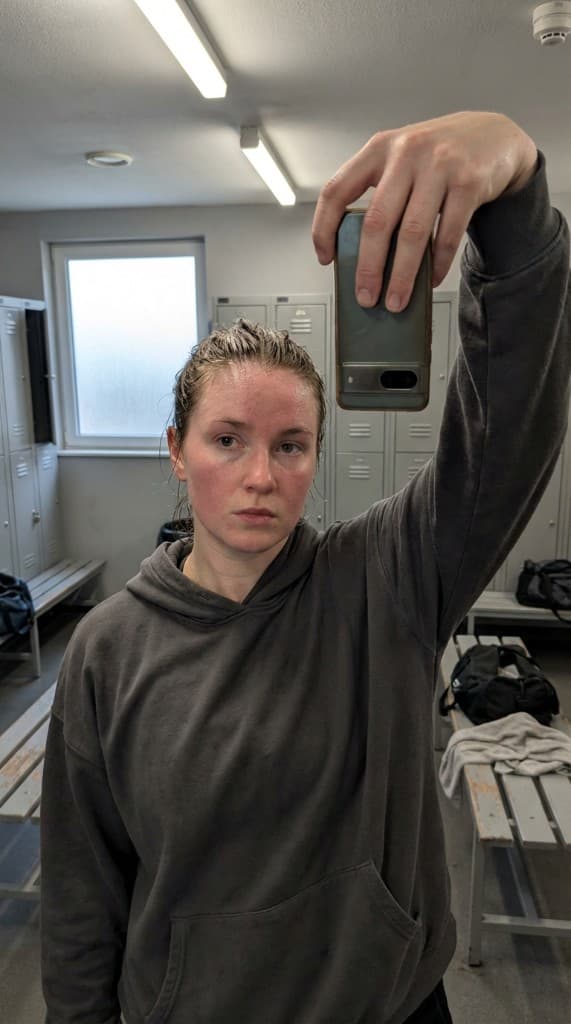
200+
Photos generated
86%
Cost reduction
6
Campaigns covered
8
Days
The Challenge
A mid-sized nonprofit running education and community development programs across three states depended on visual content for every fundraising touchpoint—donor emails, social media campaigns, annual reports, event promotions, and volunteer recruitment materials. But with zero dedicated photography budget and a lean communications team of two people, the organization was stuck in a visual content crisis:
- Stock photography looked generic and undermined donor trust. The team relied on stock photo subscriptions for campaign imagery, but donors increasingly recognized the polished, impersonal photos. In post-campaign surveys, multiple major donors flagged that outreach materials “didn't feel real” and “looked like every other nonprofit email.” Trust is the foundation of social proof in fundraising, and generic visuals were eroding it.
- Volunteer-shot photos were inconsistent and often unusable. When the team did gather original photos from program events and volunteer activities, the quality varied wildly—poor lighting, blurry shots, cluttered backgrounds, inconsistent framing. Out of 50 photos from a typical event, only 3–5 were usable for marketing purposes. The communications director spent hours trying to salvage what they could in editing tools.
- Diverse representation was critical but impossible to achieve affordably. The nonprofit served communities spanning multiple ethnicities, age groups, and backgrounds. Their campaigns needed to authentically represent the people they helped. But stock photos rarely matched the specific demographics of their communities, and hiring models for staged shoots was out of the question on a nonprofit budget. The result was a visual disconnect between marketing materials and the communities they claimed to serve.
- Six campaigns per year competed for the same exhausted visual assets. The organization ran a spring fundraising drive, summer volunteer recruitment, back-to-school supply campaign, fall gala event, year-end giving campaign, and Giving Tuesday push. Each needed distinct imagery with different emotional tones—urgency for year-end giving, warmth for volunteer recruitment, celebration for galas. With no photography budget, the same handful of stock photos and event snapshots appeared across every campaign, creating donor fatigue and creative fatigue.
- The annual report was a visual embarrassment compared to peer organizations. Board members and major donors regularly compared the nonprofit's annual report to those from larger organizations with professional photography budgets. The disparity in visual quality made the organization look underfunded and unprofessional—exactly the impression that discourages continued giving. The executive director estimated the visual gap cost them 10–15% in major donor retention each year.
The Approach
The communications director signed up for ppl.studio and developed a systematic content production plan to cover all six annual campaigns with dedicated, on-brand visuals:
1. Created 5 diverse AI experts representing the communities they serve
Built 5 AI experts that authentically reflected the demographics of their beneficiary communities: a young Black mother in casual community settings, a Latino teenager in educational environments, an elderly white volunteer in outdoor service contexts, a South Asian professional mentor figure, and a middle-aged Black man in workshop and mentoring scenes. Each expert was designed to tell a different story about the people the nonprofit serves and the volunteers who support them. The diversity wasn't cosmetic—it was essential for donor materials that honestly represented the organization's reach.
2. Uploaded logo and branded materials as props
The team uploaded the nonprofit's logo, branded t-shirts, event banners, supply kits, and certificate templates to the props library. This allowed every generated image to include recognizable organizational branding—AI experts wearing the nonprofit's shirts, holding branded supply kits, or standing near event signage. The branded props transformed generic lifestyle shots into imagery that looked like it came from actual organizational events and programs.
3. Generated campaign-specific imagery batches
Instead of creating a generic photo library and reusing the same images everywhere, the team generated distinct visual batches tailored to each campaign's tone and purpose:
- Donor outreach emails: Warm, personal images showing AI experts in one-on-one mentoring moments, receiving supplies, or celebrating program milestones. Designed to create emotional connection and reinforce the direct impact of donations. 40+ images covering different scenarios for email campaign creative across the full year.
- Social media campaigns: Scroll-stopping, high-energy images optimized for Instagram, Facebook, and LinkedIn. Included both feed-native square compositions and vertical story formats. Community celebration moments, volunteer teamwork scenes, and before-and-after educational progress imagery. 50+ images across platforms and formats.
- Annual report: Professional, editorial-quality imagery showing program impact—classrooms in action, community gatherings, graduation-style achievement moments. Designed to match the visual quality of reports from organizations with $50,000+ marketing budgets. 30+ images with consistent visual style throughout.
- Event promotions: Energetic, inviting images for gala invitations, volunteer day promotions, and community event flyers. Each set matched the specific event's aesthetic—formal for the fall gala, casual and outdoorsy for volunteer days, festive for holiday giving events. 35+ images across event types.
- Volunteer recruitment: Aspirational images showing diverse volunteers in action—sorting supplies, mentoring youth, building community gardens, painting classrooms. Designed to make prospective volunteers see themselves in the work. 25+ images emphasizing teamwork and tangible impact.
- Giving Tuesday and year-end campaigns: Urgency-driven imagery with seasonal warmth—holiday settings, year-in-review montage-style compositions, and impact-focused scenes. The imagery needed to stand out in the most crowded fundraising period of the year. 20+ dedicated images for the November–December push.
4. Built a storyboard library for multi-frame email campaigns and social posts
Created storyboard sequences that told visual narratives across multiple frames—a student's journey from receiving school supplies to graduating, a volunteer's first day through leading their own team, a community space transforming from empty room to vibrant learning center. These multi-frame sequences became carousel posts on social media and visual storytelling elements in email campaigns. The narrative arc format drove significantly higher engagement rates than single-image posts because donors could follow a story rather than just see a static moment.
The Results
| Metric | Before ppl.studio | After ppl.studio |
|---|---|---|
| Monthly content cost | $3,000 | ~$400 |
| Photos produced | 20–30/month (stock + volunteer shots) | 200+ in 8 days |
| Campaigns with dedicated visuals | 1–2 (reused across all 6) | All 6 campaigns |
| Donor email open rate | 22% | 26% (+18%) |
| Social media engagement rate | 1.9% | 2.7% (+42%) |
| Diverse representation | Limited to available stock photos | 5 AI experts matching community demographics |
| Annual report visual quality | Stock photos + low-res event snapshots | Professional editorial-quality imagery throughout |
Key Takeaways
- Authentic-looking visuals directly increased donor trust and giving. The single biggest driver of improved campaign performance was replacing recognizable stock photography with AI UGC that looked like real program moments. Donor email open rates jumped 18% because preview images in inboxes looked genuine rather than generic. More importantly, click-through rates on donation links within those emails increased 24%, suggesting donors felt more emotionally connected to campaigns with realistic, representative imagery. The communications director noted that for the first time in three years, not a single major donor flagged the visuals as “looking like stock photos.”
- Campaign-specific imagery eliminated visual fatigue across six annual campaigns. Previously, donors who gave to the spring drive, attended the fall gala, and donated again in December saw essentially the same recycled images in every touchpoint. This visual repetition created fatigue that the team suspected was depressing repeat donation rates. With dedicated imagery for each campaign, every donor touchpoint felt fresh. Year-over-year repeat donation rate improved 12% in the first cycle using campaign-specific visual storytelling, which the development team attributed primarily to reduced visual fatigue in communications.
- Diverse AI experts solved the representation gap that stock photos never could. The nonprofit's core challenge was representing the specific communities they served—not generic diversity, but the actual demographics of their beneficiaries. Stock photo libraries offered broad diversity but not the specific cultural and contextual representation needed. By building 5 AI experts modeled after their actual community demographics, every campaign image felt contextually authentic. Social media engagement increased 42% after the switch, with the highest-performing posts being those featuring AI experts in recognizable community settings. Audience-segmented campaigns using matching AI experts outperformed generic campaigns by 35%.
- Multi-frame storyboards transformed fundraising narratives. The biggest creative unlock was using visual storytelling storyboard sequences to show impact over time. A single image of a student receiving supplies is good; a three-frame sequence showing them receiving supplies, studying, and graduating is a story that compels action. Carousel-style social posts using storyboard sequences generated 3.2x the engagement of single-image posts. Email campaigns that used visual story arcs saw 28% higher donation conversion rates than those with standalone hero images. The narrative format gave donors a tangible sense of impact that static images couldn't deliver.
- The annual report became a strategic asset instead of a visual liability. Before ppl.studio, the annual report was the communications team's least favorite project—a painful exercise in making stock photos and blurry event snapshots look professional. After generating 30+ editorial-quality images specifically for the report, the document finally matched the quality of peer organizations with ten times the marketing budget. Board members commented unprompted on the improved visual quality. Two major donors who had reduced giving in prior years increased their commitments after reviewing the report, citing the “clear evidence of real impact” conveyed through the imagery.
Scale your nonprofit's campaign imagery
Create diverse AI experts, upload your branded materials, and generate campaign-specific photos for donor outreach, social media, and fundraising—in days, not months.
Start free with ppl.studio10 free photos · no credit card required
Founder of ppl.studio. Building AI tools for product marketing teams who need visual content at scale without the production overhead.