AI UGC for TikTok Shop Sellers: The Complete Guide to Product Photos That Sell
TikTok Shop is the fastest-growing social commerce platform in the world, with over $20 billion in GMV in 2025. But success on TikTok Shop requires a specific kind of visual content: creator-style, native-looking product imagery that blends seamlessly into the For You Page. This guide walks you through generating that content at scale with AI UGC.
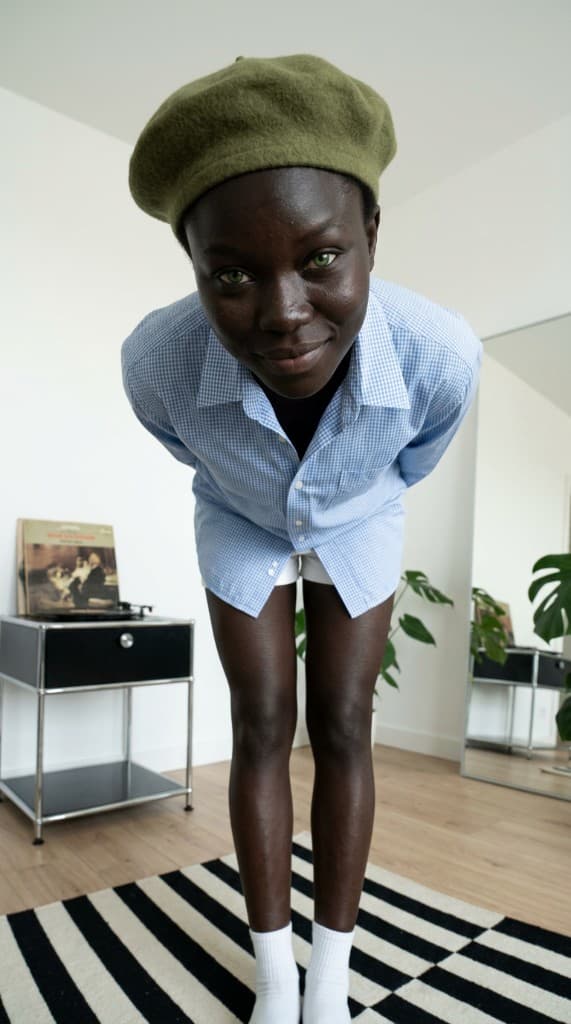
TikTok Shop has fundamentally changed e-commerce by collapsing the discovery-to-purchase funnel into a single swipe. Users discover products through organic content, shoppable videos, and LIVE shopping sessions—and buy without ever leaving the app. The brands winning on TikTok Shop share one thing: they produce massive volumes of creator-style content that looks native to the platform. Traditional product photography—white backgrounds, studio lighting, careful styling—actively hurts performance on TikTok because it looks like an ad in a feed designed for authenticity. AI UGC gives you the creator aesthetic at the volume TikTok demands, without managing a single creator relationship.
Why TikTok Shop Demands a Different Kind of Product Photo
The visual language of TikTok Shop is fundamentally different from Amazon, Shopify, or any traditional e-commerce platform. Understanding this difference is the first step to creating content that actually sells:
- Native beats polished. TikTok's algorithm and users both reward content that feels like it was created by a real person, not a brand. Product photos that look “too professional” get scrolled past because they break the native content experience. The best-performing TikTok Shop listings use lifestyle images that look like a creator sharing a genuine find.
- People sell products. TikTok Shop's highest-converting listings almost always feature a person interacting with the product. A skincare product being applied, a fashion item being styled in an outfit, a gadget being unboxed—these person-forward images dramatically outperform product-only shots in TikTok Shop's ranking algorithm.
- Volume is non-negotiable. TikTok's algorithm tests your content against millions of competing posts. The more creative variants you produce, the more surface area you give the algorithm to find your audience. Top TikTok Shop sellers produce 20–50+ pieces of content per product per month. AI UGC is the only way to sustain this velocity without a full-time content team.
- Freshness matters more than on any other platform. TikTok's creative fatigue cycle is the shortest in digital marketing—winning creative burns out in 3–7 days. You need a constant pipeline of fresh visuals to maintain performance, which makes AI UGC not just convenient but essential.
Step 1: TikTok Shop Placements and Image Requirements
TikTok Shop content appears across multiple surfaces, each with different specs and performance characteristics:
| Placement | Aspect Ratio | Min Resolution | Best Practice |
|---|---|---|---|
| Product listing gallery | 1:1 | 800 × 800 px | Mix lifestyle and product-only; lead with lifestyle |
| Shoppable video thumbnail | 9:16 | 720 × 1280 px | Person-forward, product visible, expressive face |
| In-feed ad (Spark Ad) | 9:16 | 720 × 1280 px | Creator-native look, avoid heavy branding |
| LIVE shopping promo | 1:1 or 9:16 | 800 × 800 px | Host preview, product highlights, event energy |
| Product showcase page | 1:1 | 800 × 800 px | Lifestyle hero + detail shots + size/scale reference |
The critical insight is that TikTok Shop rewards the same visual style across all placements: authentic, person-forward, and native-looking. This is fundamentally different from Amazon, which requires white-background product shots for the main listing image. On TikTok Shop, lifestyle is the main image.
Step 2: Building AI Experts That Look Like TikTok Creators
The most important factor in TikTok Shop AI UGC is making your AI experts look like genuine TikTok creators—not models, not influencers, but the kind of relatable, slightly imperfect people who populate the For You Page. Here's how to build them:
- Age and style: TikTok's primary shopping demographic is 18–35. Build personas in this range with current fashion trends, natural makeup (or none), and casual styling. Avoid anything that looks styled by a professional—TikTok users can spot “brand content” instantly.
- Expression and energy: TikTok content is high-energy, expressive, and emotionally transparent. Build personas with animated expressions—genuine surprise, excitement, satisfaction, curiosity. The dead-eyed neutral expression of traditional model photography doesn't work here.
- Settings: Bedrooms, bathrooms, kitchens, cars, and outdoor casual settings. These are the spaces where TikTok content is actually created. Avoid corporate offices, studios, or any setting that reads as “produced.”
- Diversity: Build 6–10 personas across demographics. TikTok's audience is the most diverse of any social platform, and the algorithm serves content to users who identify with the creator. More diverse personas = more addressable audience segments.
Step 3: Product Photography for TikTok Shop Listings
Your TikTok Shop product listing gallery is your storefront. Upload your product photos to the Props Library and generate lifestyle images in this recommended gallery order:
- Image 1 (hero): Lifestyle lead. An AI persona using or wearing the product in a natural, relatable setting. This is the image that appears in search results and the Shop tab—it must stop the scroll. Mirror selfie and golden hour styles perform exceptionally well for fashion and beauty products.
- Images 2–3: In-context usage. Show the product being used in different settings and by different personas. A supplement being added to a morning smoothie, a phone case being held during a walk, a shirt styled two different ways. These images answer the question “how will I actually use this?”
- Image 4: Scale and detail. A close-up showing the product's texture, size relative to a hand, or key design details. This can be a product-forward shot but should still feel natural—shot on a bathroom counter, a desk, or in a hand, not on a white background.
- Image 5: Social context. Show the product being shared, gifted, or admired by others. A friend reacting to a new outfit, someone showing off a gadget to a group—these social proof scenes drive purchase confidence.
Step 4: Shoppable Video Content with Animate
Shoppable videos are TikTok Shop's highest-converting content format. Animate lets you turn your AI personas into talking-head videos that follow the exact format of viral TikTok product reviews:
- The “I found this” format: AI persona excitedly shares a product discovery. This is the most common and highest-converting shoppable video format on TikTok. The hook is everything—open with surprise or excitement, not a product description.
- The review format: AI persona gives an honest-feeling product review. Show the product, demonstrate usage, share a verdict. Keep it under 30 seconds for optimal completion rates. Use proven script templates designed for this format.
- The comparison format: AI persona compares your product to an alternative, showing why yours is better. This format works exceptionally well for products with clear differentiators.
- The routine format: AI persona incorporates the product into a daily routine—morning skincare, workout prep, office setup. This format excels for skincare, supplements, and beauty products.
Step 5: TikTok Ads Creative Strategy
TikTok Ads for Shop products follow a simple rule: the best ads don't look like ads. Use your AI UGC to create TikTok ad creative that mirrors organic creator content:
- Spark Ads with AI UGC: Spark Ads promote organic-looking content in the feed. Use AI UGC lifestyle images and videos that could pass for genuine creator posts. The less branded they look, the better they perform.
- Test 5–10 creative variants per ad group. TikTok's algorithm needs creative diversity to optimize. Generate multiple AI UGC variants with different personas, settings, and angles. Let the algorithm identify winners rather than guessing which creative will work.
- Refresh every 3–5 days. When a creative's CTR drops below your campaign average, swap it for a fresh variant. AI UGC makes this sustainable because generating a new variant takes minutes, not days. Build a content calendar that accounts for this refresh cadence.
- Segment creative by audience. Generate different AI UGC sets for different audience segments. Your 18–24 female audience sees different personas and settings than your 25–35 male audience. This segmentation is what separates profitable TikTok advertisers from the rest.
Step 6: LIVE Shopping Promotional Content
TikTok LIVE Shopping is growing rapidly, with top sellers generating six-figure revenue from single LIVE sessions. AI UGC supports LIVE shopping by generating the promotional content that drives attendance:
- Pre-LIVE promotion: Generate images of your AI “host” persona preparing products, setting up the LIVE space, or previewing exclusive deals. Post these to your feed and stories 24–48 hours before the session to build anticipation.
- Countdown and reminder content: Create urgency-driven visuals showing the host with products and deal highlights. Use these in push notifications and reminder posts on the day of the LIVE.
- Post-LIVE highlights: After the session, generate recap-style content showing the “best moments”—excited reactions, product reveals, deal announcements. These drive replay views and set up anticipation for the next LIVE.
Measuring Success: TikTok Shop Metrics That Matter
Track these metrics to measure the impact of AI UGC on your TikTok Shop performance:
- Product page conversion rate: The percentage of product page visitors who add to cart or purchase. Lifestyle-led listings typically see 1.5–2x higher conversion rates than product-only listings.
- Video completion rate: For shoppable videos, track what percentage of viewers watch to the end. AI UGC videos with strong hooks and authentic energy consistently outperform studio-produced content on this metric.
- Ad creative lifespan: Track how many days each AI UGC creative maintains above-average CTR before fatiguing. This tells you your optimal refresh cadence.
- ROAS by creative type: Compare ROAS across different AI persona styles, settings, and content formats to identify your most efficient creative approaches.
- Content velocity: Track how many new creative assets you produce per week. Top TikTok Shop sellers maintain 20–50+ new assets per product per month. AI UGC should make this sustainable without proportional cost increases.
Start selling on TikTok Shop with AI UGC
Generate creator-style product photos, shoppable video content, and ad creative that looks native to TikTok—at the volume the platform demands.
Start free with ppl.studio10 free photos · no credit card required
Founder of ppl.studio. Building AI tools for product marketing teams who need visual content at scale without the production overhead.