AI UGC for Law Firm & Attorney Marketing: Authority-Building Imagery Without the Stiff Bookshelf Portrait
Legal services is one of the most expensive paid-search categories in the world, and one of the most visually homogeneous. Every personal-injury firm, every divorce attorney, every estate-planning office uses the same library of stock photos: gavel, scales of justice, dark wood bookshelves, hands shaking over a contract. Authority used to come from those signals; today it comes from feeling like a modern, premium service. AI UGC gives firms a way to look distinctly themselves without the cost of a high-end commercial photoshoot.
5 min read
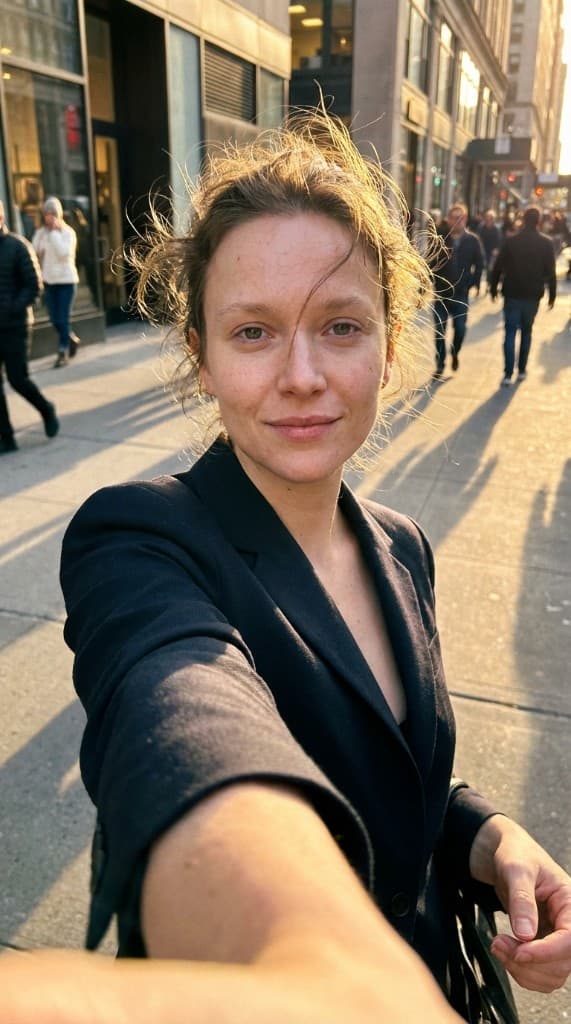
Law firm marketing has high stakes per click. Personal-injury keywords in major metros cost $200+ per click. Family law and immigration regularly exceed $50. With ad spend that aggressive, the creative cannot be the same library template every competitor is using. Bespoke visual identity is the single highest-leverage differentiator most firms ignore—and the easiest one to fix with AI-generated content.
Why Law Firm Marketing Visuals Are Stuck
- Commercial legal photography is expensive. A polished firm photoshoot with attorneys, paralegals, conference rooms, and consultation moments runs $5–15k and is rarely refreshed.
- Stock photos are saturated. The same gavel and scales-of-justice images are licensed by hundreds of firms in every market. They communicate “legal” but not “your firm.”
- Bar association advertising rules vary by state. Some states restrict actor portrayals; most require any “dramatization” to be disclosed. Real-client imagery is functionally off-limits without explicit written consent.
- Solo and small firms can't justify the production scale. A 2-attorney firm with $200k in annual ad spend can't produce content the way a national PI firm can—but needs to compete in the same search results.
- Visual identity drift across channels. A firm's website, Google Local Services Ads, Meta creative, LinkedIn, and intake forms often use mismatched stock photography. Branded consistency requires a single content engine.
Content Frameworks for Legal Practices
Attorney & Team Portraits
- Modern professional portraits for the “Our Attorneys” page. Premium-magazine-editorial aesthetic, not 1990s yearbook headshots. Pairs with AI headshots strategy.
- Action portraits. Attorney at desk, attorney on phone, attorney in consultation. Signals a working firm, not a still-life photoshoot.
- Diverse team imagery. Reflect the actual demographics of your firm. Use AI personas for consistency across multiple shoots.
Office & Environment
- Modern conference-room imagery. Warm wood, natural light, comfortable seating. Communicates premium professional services, not stuffy old-school law.
- Welcome & reception aesthetic. The visual cue that signals “we're a serious modern firm” the moment a prospective client arrives or visits the website.
- Working-attorney moments. Whiteboard sessions, document review, deposition prep. Process imagery for blog and email content.
Practice-Area-Specific Imagery
- Personal injury: Accident-scene awareness, medical-recovery lifestyle, family-rebuild imagery. Avoid graphic depictions; focus on outcome-and-recovery framing.
- Family law: Co-parenting imagery, mediation rooms, fresh-start lifestyle. Calm, hopeful, supportive aesthetic.
- Estate planning: Multigenerational family imagery, signing-the-documents moments, legacy-planning aesthetic.
- Immigration: Diverse families, citizenship-ceremony aesthetic, hopeful new-beginning visuals.
- Business & corporate: Founder-and-attorney consultation, contract review, M&A meeting aesthetics.
- Criminal defense: Restraint and dignity in visual choices. Document review, courtroom-prep, attorney-client-trust imagery.
- Real estate & closings: Pairs with real estate marketing strategy.
- Employment law: Workplace imagery, advisor-and-employee consultations, professional-environment storytelling.
Educational Content Visuals
- FAQ and blog hero imagery. Every “What to do after a car accident” or “How does probate work” post deserves bespoke imagery, not the stock-photo gavel.
- Educational Reels and TikTok. Attorney-explainer aesthetic for short-form video. LinkedIn-native legal content pairs with LinkedIn B2B strategy.
- Case-study and outcome storytelling. Non-identifying outcome visuals for the kinds of results you actually achieve.
Where the Content Gets Used
- Practice-area landing pages. Every paid-search keyword cluster should have its own landing page, and every landing page should have its own bespoke hero image. Conversion rates rise meaningfully with custom imagery.
- Google Local Services Ads & Google Business Profile. LSA placement and local-pack ranking benefit from active photo refresh. Most firms never touch theirs.
- Meta and YouTube paid creative. Pre-roll and feed creative with bespoke imagery routinely beats stock-based ads in CPM and CTR.
- LinkedIn thought-leadership content. Attorney-personal-brand imagery for executive-level visibility. Pairs with founder-led marketing strategy.
- Email newsletters and intake confirmations. Visual cues that maintain brand polish from first click to signed retainer.
- Referral-source collateral. Brochures and one-pagers for medical providers (PI), CPAs (estate), and other referral partners.
Bar Compliance & Disclosure Considerations
- Check state-specific advertising rules. Bar associations vary significantly. Some states (Florida, Texas) have detailed restrictions on dramatizations, testimonials, and depictions. Always verify before publishing.
- Disclose when imagery is illustrative. “Image is illustrative and does not depict an actual client or case” is a common, defensible footer. See AI content disclosure guidelines.
- Never depict identifiable judges, court personnel, or opposing counsel. Generic courtroom and office imagery only. The visual brand should never imply real-case dramatization.
- Outcome-based imagery requires care. “Family reunited” or “business recovered” visuals should pair with disclaimer language about not guaranteeing results.
- Attorney depiction must match reality. Don't generate AI portraits of fictional “attorneys at our firm.” AI imagery should depict generic personas in legal contexts—not individuals who don't work at your firm.
Building the Firm Library with ppl.studio
- Define the firm visual identity. Modern-premium, classic-traditional, approachable-community, boutique-elite. Use visual presets to anchor every asset.
- Map every practice area to a hero set. 4–6 hero images per practice area, refreshed quarterly. Every keyword landing page gets its own.
- Build the prospect-and-client persona roster. Personal injury, family law, estate planning—each serves a different demographic. AI personas let you generate audience-matched imagery at will.
- Create educational-content storyboards. Use storyboards for “what to do if…” explainer Reels. Educational content compounds search authority and lowers intake-call cost.
- Document a brand-and-compliance review process. Every published asset reviewed by the managing attorney or marketing director against state bar rules before going live.
Performance Impact: AI UGC for Law Firms
- Practice-area landing-page conversion. Bespoke imagery consistently lifts intake-form fills compared to stock-imagery equivalents—especially in high-empathy categories like family law and personal injury.
- Paid search & LSA performance. Custom creative against $50+ CPC keywords routinely produces meaningfully lower cost-per-intake than stock-based competitors.
- Google Local Pack ranking. Firms with consistent fresh photo uploads outperform static profiles on local-pack visibility in most markets.
- LinkedIn attorney brand reach. Personal-brand thought-leadership posts with custom imagery consistently outperform text-only posts by 2–3x on impressions and engagement.
- Referral-partner trust. Polished, branded collateral materially improves referral-source conversion (PI firms referring out of network, CPAs sending estate work).
Common Mistakes in Law Firm Visuals
- Defaulting to gavel-and-scales stock photography. The category is so saturated with this imagery that distinctive visuals are nearly free differentiation.
- Bookshelf-and-blazer portraits as the only attorney photos. Modern legal services consumers respond to working-attorney and team-collaboration imagery far more than formal portraits.
- Inconsistent visual brand across channels. Website looks premium, LinkedIn looks stock, Meta looks DIY. Single content engine fixes the drift.
- Skipping practice-area-specific imagery. A family-law page with a personal-injury hero photo signals lack of care to a prospect researching at 11pm before a tough call.
- Ignoring bar-compliance disclosure rules. The cost of getting this wrong can be a grievance, ad takedown, or fines depending on jurisdiction. Always verify state-specific rules.
Authority-building imagery without the $15k photoshoot
Use ppl.studio to generate the full firm library—attorney portraits, practice-area heroes, educational content, referral-partner collateral—and stop sharing the same gavel-and-scales template with every competitor in your market.
Start free with ppl.studio10 free photos · no credit card required
Founder of ppl.studio. Building AI tools for product marketing teams who need visual content at scale without the production overhead.