AI UGC for Native Advertising Campaigns: Content-Style Ads That Drive Clicks
Native advertising generates over $100 billion in global ad spend annually, and the format keeps growing because it works—content-style ads served alongside editorial articles on premium publishers consistently outperform display banners on CTR, engagement, and downstream conversion. But native ads only work when the creative looks like content, not like an ad. That's where most brands fail. This guide walks you through generating AI UGC creative purpose-built for native advertising platforms like Outbrain, Taboola, and MGID.
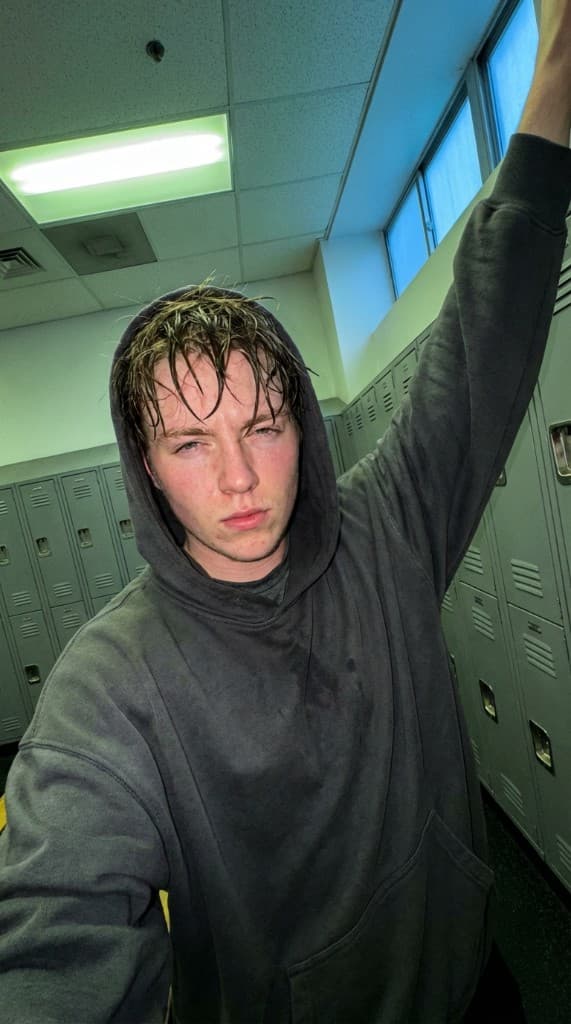
The fundamental rule of native advertising is simple: your ad must look and feel like the editorial content it sits beside. Polished studio product shots, branded graphics, and obvious marketing imagery get ignored—or worse, actively penalized by platform algorithms that optimize for engagement. The highest-performing native ads use authentic, UGC-style photography that triggers curiosity and blends seamlessly into publisher feeds. AI UGC lets you produce this content-style creative at the scale native platforms demand, without hiring creators or running photoshoots.
What Native Advertising Is and Why It Demands UGC-Style Creative
Native advertising refers to paid content placements that match the form and function of the media environment where they appear. On platforms like Outbrain and Taboola, your ads show up as “recommended content” widgets beneath or alongside articles on publishers like CNN, Forbes, The Guardian, and thousands of other sites. Users see a thumbnail image, a headline, and a source label—identical in format to the editorial recommendations surrounding them.
This format creates a specific creative challenge. Unlike programmatic display advertising where branded banners are expected, native ads that look like ads get crushed. Platform algorithms deprioritize low-CTR creative, and users have developed sophisticated pattern recognition for distinguishing ads from editorial content. The creative that wins on native looks like a photo you'd see illustrating a news article or blog post—real people, real settings, natural lighting, and no visible branding in the image itself.
This is exactly what AI UGC excels at: generating authentic, editorial-style images of real-looking people using your products in everyday contexts. No stock-photo stiffness, no studio lighting, no brand logos overlaid on the image. Just content-style photography that blends in and earns the click.
Platform Specs: Outbrain vs. Taboola vs. MGID
Each native ad platform has its own technical requirements, audience composition, and optimization levers. Understanding these differences is critical for generating creative that performs across networks.
| Dimension | Outbrain | Taboola | MGID |
|---|---|---|---|
| Thumbnail size | 1200×800 px (3:2) | 1000×600 px minimum; 1200×800 recommended | 492×328 px minimum; 1200×800 recommended |
| Publisher network | Premium tier (CNN, BBC, Le Monde) | Broad reach (NBC, Business Insider, MSN) | Mid-tier publishers, strong in EMEA/LATAM |
| Audience skew | Higher income, news readers, 35–65 | Broad demographics, entertainment + news | Cost-conscious buyers, emerging markets |
| Creative review | Strict; rejects overtly promotional images | Moderate; allows some branded elements | More permissive; faster approvals |
| Best for | Brand awareness, content marketing, high-AOV products | Volume-driven campaigns, lead gen, e-commerce | International expansion, arbitrage, lower CPCs |
When generating AI UGC for native campaigns, produce images at 1200×800 px (3:2 aspect ratio) as your base—this meets the recommended spec on all three platforms. Outbrain's stricter review process means your images need to look genuinely editorial; avoid anything that could be interpreted as clickbait. Taboola offers more creative flexibility, while MGID is the most permissive but requires you to monitor quality on lower-tier publisher placements.
Content-Style Ad Creative Best Practices
The difference between a native ad that gets a 0.15% CTR and one that gets a 0.80% CTR almost always comes down to the thumbnail image. Here are the creative principles that separate winners from losers on native platforms:
Look Like Content, Not Like an Ad
The single most important rule. Your thumbnail should look like a photo that could illustrate a blog post or news article. Generate AI UGC with AI expert personas in casual, authentic settings—someone at a kitchen table, a person in their home office, a close-up of hands using a product. Avoid perfect symmetry, studio backgrounds, and anything that screams “advertisement.”
People Outperform Products Alone
Native ad thumbnails featuring people consistently outperform product-only images by 30–60% on CTR. Faces drive attention and create emotional resonance. Generate images with AI experts looking at or using your product, making eye contact with the camera, or showing genuine reactions. The human element is what makes content-style creative feel like content.
Embrace Imperfection
Slightly imperfect compositions—off-center framing, natural lighting with visible shadows, lived-in backgrounds—outperform polished studio shots on native platforms. This is counter-intuitive for brands used to producing premium marketing imagery, but the data is clear: authentic beats aspirational in native advertising. AI UGC naturally produces this documentary-style aesthetic when you prompt for realistic, everyday settings rather than styled photoshoots.
Trigger Curiosity Without Clickbait
The best native ad thumbnails create a visual question the user wants answered. An image showing someone mid-reaction, a before/after contrast, or an unexpected product context generates curiosity that drives clicks. But don't cross into clickbait territory—Outbrain and Taboola actively penalize misleading creative, and high bounce rates from disappointed clicks will destroy your campaign economics.
Thumbnail and Hero Image Optimization
Native ad thumbnails display at dramatically different sizes depending on the widget placement and device. Your creative needs to work at every scale:
- Large placements (600–800 px wide): Top-of-page recommendation widgets. Your image has room to breathe—use mid-range compositions showing a person and product in context. Detail is visible, so environmental storytelling works well.
- Medium placements (300–400 px wide): Sidebar and mid-article widgets. Tighten your framing—the person's face and the product should fill most of the frame. Background detail gets lost at this size.
- Small placements (150–250 px wide): Mobile recommendation strips and compact widgets. Only close-up shots work here. Generate AI UGC with tight cropping on faces or product details. If your thumbnail doesn't read at 150 px wide, it won't perform in these high-traffic placements.
Generate each creative concept at multiple crop levels: a wide scene, a mid-range version, and a tight close-up. Upload all three as variants and let the platform serve the best fit for each placement. Upload your product photos to the Props Library at the highest resolution available so you have flexibility when generating crops.
Landing Page Alignment: Closing the Content Loop
Native advertising has a unique conversion funnel problem: users click because they expect content, but most brands send them to a product page or hard-sell landing page. This mismatch is the #1 reason native campaigns fail on conversion, even when CTR is strong.
The solution is content-style landing pages that continue the editorial experience. Generate AI UGC for your landing pages using the same personas and visual style as your native ads. When a user clicks a thumbnail showing a woman using your skincare product in her bathroom, they should land on a page featuring that same person (or a visually consistent persona) in a similar setting—not a white-background product page with stock photography. Read more about this approach in our guide on AI UGC for landing page optimization.
Key alignment principles:
- Match the persona: use the same AI expert (or a visually similar one) in the ad and on the landing page
- Match the setting: if the ad shows a home kitchen, the landing page hero should feature a similar environment
- Match the tone: editorial, informational, story-driven—not immediately promotional
- Place the CTA below the fold after providing genuine content value
Brands that align native ad creative with landing page imagery consistently see 20–40% improvements in on-page conversion rates. You can repurpose your AI UGC across channels to maintain visual consistency from ad to landing page to retargeting creative.
Testing Framework for Native Ad Creative
Native platforms reward creative diversity. Unlike paid social where a single winning creative can run for weeks, native algorithms actively distribute impressions across your creative variants and deprioritize fatigued assets. You need a systematic creative testing framework to keep pace.
Structured Variable Testing
Isolate one variable at a time across your creative variants:
- Persona: Test 3–5 different AI expert personas with the same product and setting. Which demographic resonates most with your target audience?
- Setting: Test the same persona using your product in different environments—kitchen vs. office vs. outdoor vs. living room. Context changes perception.
- Framing: Test wide shots vs. mid-range vs. close-ups. Different placements favor different crops.
- Emotional tone: Test neutral vs. surprised vs. satisfied expressions. Emotion drives curiosity differently across verticals.
- Product prominence: Test images where the product is the clear focus vs. images where the product is secondary to the lifestyle scene.
Volume and Refresh Cadence
Plan for 8–15 creative variants per campaign at launch, with new variants added every 2–3 weeks. Native ad creative fatigues faster than most channels because the same users see recommendation widgets across multiple publisher sites daily. Use the creative refresh playbook to establish a sustainable production cadence. AI UGC makes this volume economically viable—generating 15 variants costs a fraction of what a single photoshoot would.
Scaling Winners Across Platforms and Geos
Once you've identified creative patterns that drive strong CTR and conversion on one platform, scale systematically:
- Cross-platform expansion: A creative that works on Taboola will often perform on Outbrain and MGID with minor adjustments. Upload your winners to all three platforms and let each algorithm optimize independently. Expect platform-specific performance variance of 15–30%.
- Persona multiplication: If a “30-something woman in a home office” persona drives your highest CTR, generate 10 more variants of that archetype with different appearances, slight setting changes, and product angles. Double down on winning patterns.
- Geographic adaptation: For international campaigns on MGID and Taboola, generate AI expert personas that reflect local demographics. A thumbnail featuring a persona that looks like the target audience in Germany, Brazil, or Japan will outperform a US-centric image by 40–60% in those markets.
- Seasonal creative rotation: Plan creative refreshes around seasonal themes, product launches, and cultural moments. Generate themed AI UGC in advance so you can swap creative without production delays.
The compounding advantage of AI UGC for native advertising is velocity. While competitors spend 2–4 weeks producing a single batch of creative, you can generate, test, and iterate on new variants in hours. On native platforms where creative diversity and freshness directly impact distribution, this speed advantage translates to lower CPCs, higher CTR, and better unit economics at scale.
Start Creating Content-Style Native Ad Creative
Generate authentic, editorial-style AI UGC that blends into publisher feeds and drives clicks on Outbrain, Taboola, and MGID.
Start free with ppl.studio10 free photos · no credit card required
Founder of ppl.studio. Building AI tools for product marketing teams who need visual content at scale without the production overhead.