What is a scene prompt?
A scene prompt is the part of an AI image prompt that describes the scene: where the shot takes place, the light, the time of day, the camera framing and what the subject is doing. It is separate from the style (the look: 'film grain', 'soft pastel') and from the identity references (who or what must appear: a product photo, a face).
Written well, it reads like a one-line direction to a photographer: 'mid-morning window light, kitchen counter, woman in a linen shirt holding the candle at chest height, shallow depth of field, shot from slightly above.' Vague scene prompts ('a nice photo with my product') give generic, inconsistent output; specific ones give repeatable images you can vary one detail at a time, which is what a creative test needs.
How to structure a scene prompt
Image models weight what comes first, so lead with what matters most and work outwards. A reliable order:
- Subject and action: who is in frame and what they are doing with the product: 'holding the serum bottle up to the light', not just 'with the serum'.
- Setting: one specific place with two or three concrete details: 'small bathroom, white subway tiles, towel on the rail'.
- Light and time: the direction and quality of light: 'late-afternoon sun through blinds', 'overcast daylight', 'phone flash at night'.
- Camera: framing, angle and device: 'close-up, eye level, shot on a phone', or 'overhead flat lay, 50mm'.
- Mood, last: one or two words at most; the details above do most of the work.
Scene prompt examples
- Skincare, UGC selfie: 'Woman in her late 20s holding the moisturiser jar next to her face, bathroom mirror, warm vanity bulbs, slight steam on the glass, phone selfie at arm's length, candid.'
- Coffee gear, lifestyle: 'Hands pouring from the gooseneck kettle into the dripper, wooden counter by a window, early-morning side light, close-up at counter height, shallow depth of field.'
- Supplement, in-use: 'Man in a gym hoodie shaking the bottle in a parked car, daylight through the windscreen, shot from the passenger seat on a phone.'
A scene prompt template
Fill the brackets in this order and stop: [who] [doing what with the product], [one place] with [two concrete details], [light and time of day], [framing, angle, device], [one mood word]. For example: 'Teenager holding the water bottle mid-sip, school locker corridor with dented lockers and a poster, fluorescent overhead light, waist-up on a phone at eye level, candid.' Keep the template and swap one bracket per variant, and a batch of scene prompts becomes a test you can read.
Prompting a scene from a scene
To get a new scene from an image you already like, give the model that image as a reference and say only what changes: 'Same person, same product, same outfit; now on a balcony at dusk, string lights behind.' Repeating the whole original prompt invites the model to redraw everything; naming the one change keeps the face, the product and the framing, which is how a series of shots stays one campaign.
Scene prompts for video
When a still becomes a clip (image-to-video), the scene prompt describes motion, and video models act out every clause. Name only what the frame holds and what moves: 'she lifts the jar into the light, the camera holds.' Leave out what must not appear, because 'no logo' or 'no skeleton' tends to draw one; say 'the same colour as in the first frame' rather than naming a background colour; and describe a glow rather than a message if you don't want made-up text on a screen.
Common scene prompt mistakes
- Changing several details at once between variants, so you can't tell which one moved the result.
- Describing the product's look in words instead of supplying a reference photo; models then invent labels and shapes.
- Stacking style words ('cinematic, 8k, ultra-detailed, award-winning') that make a UGC shot look like an ad.
- Settings that contradict the product's use: a winter coat on a beach, a desk lamp outdoors at noon.
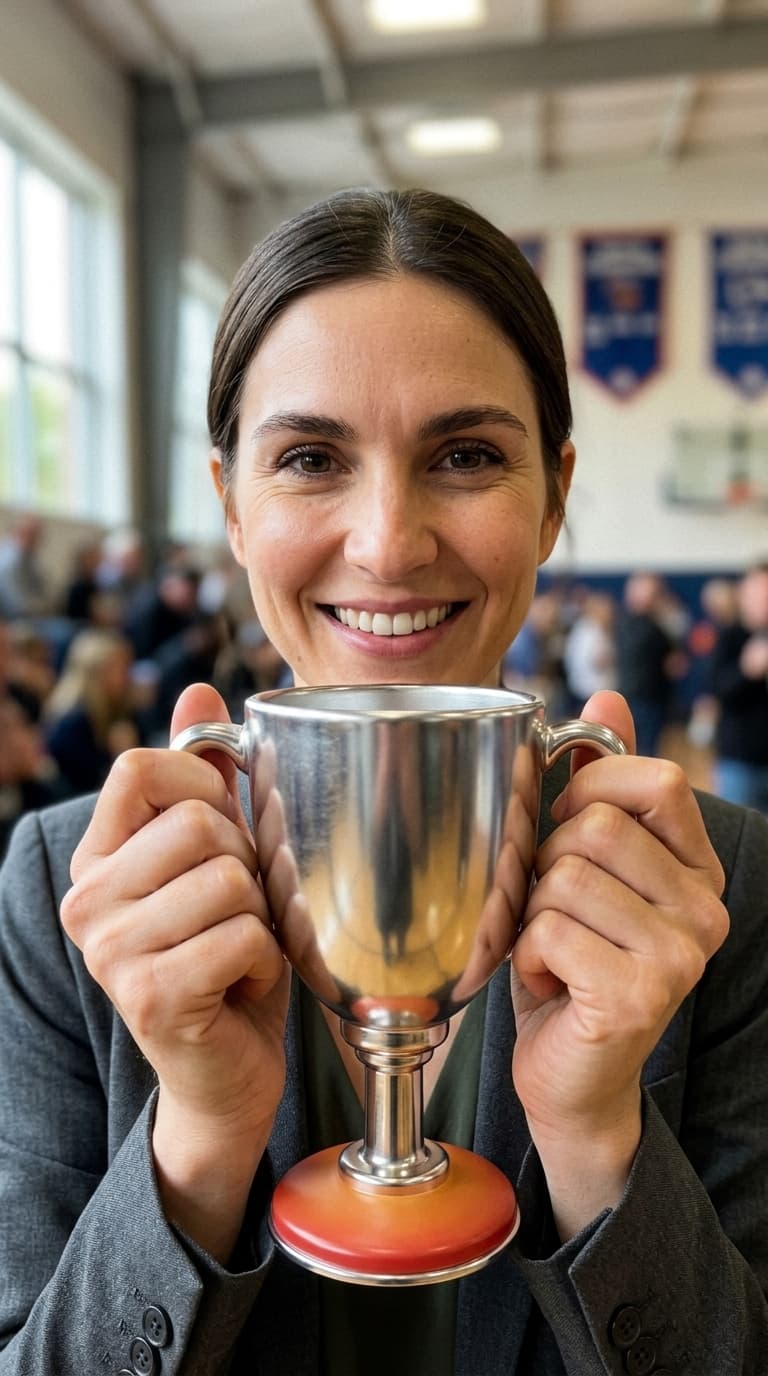
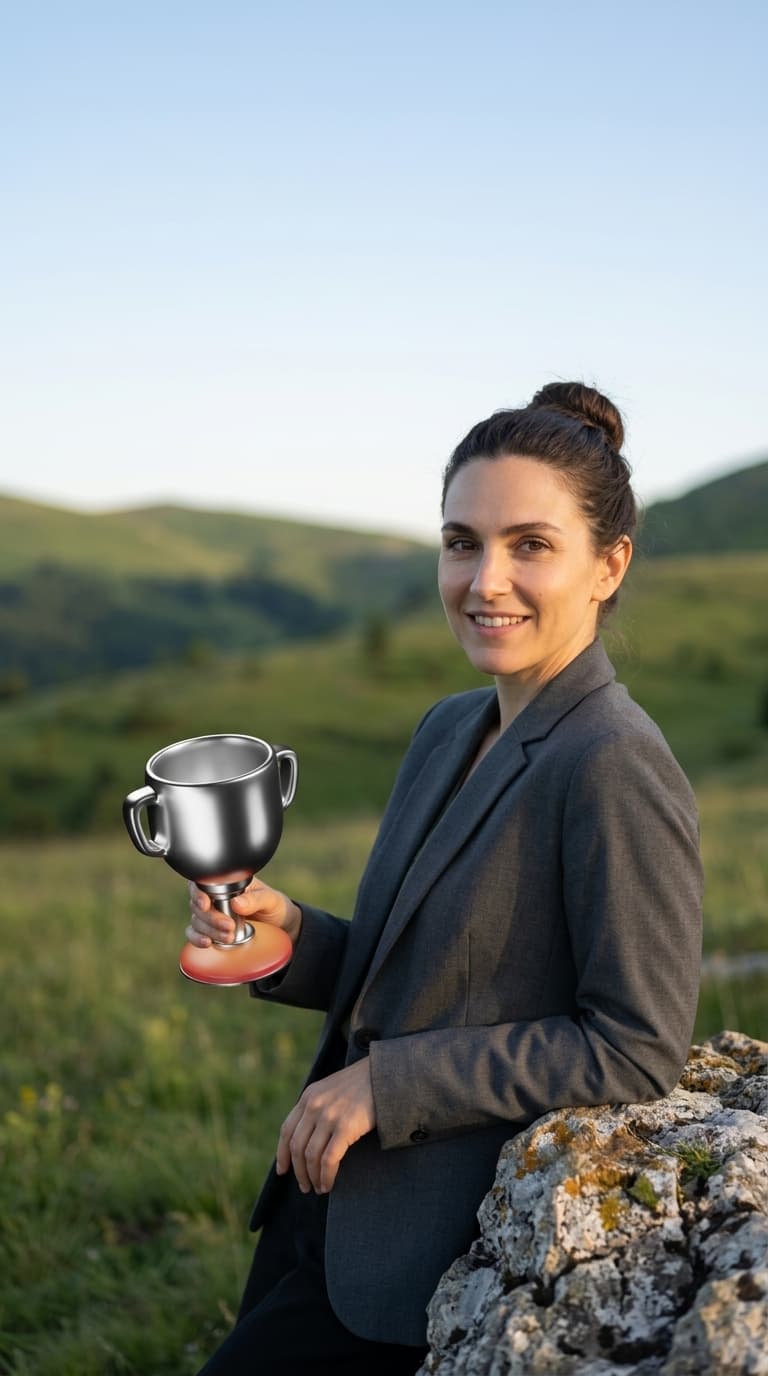
Same subject, six scene prompts
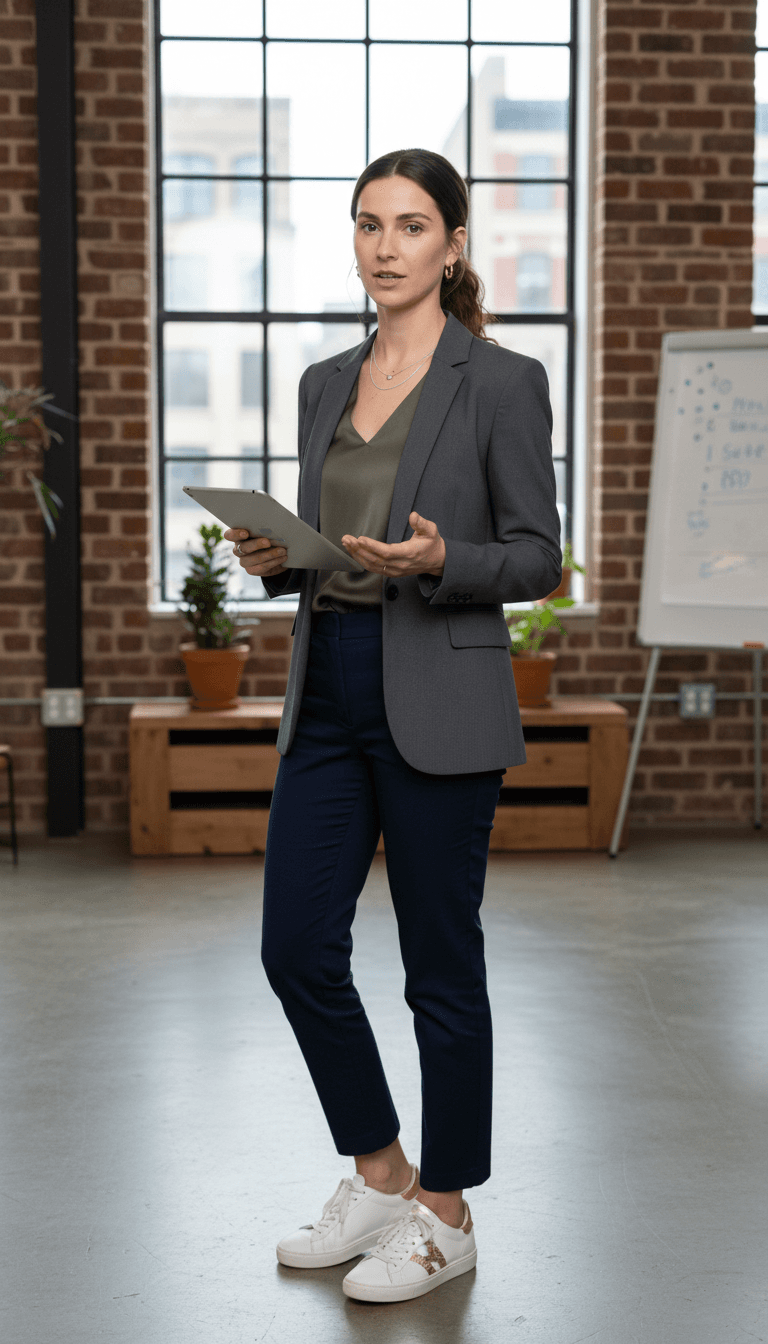
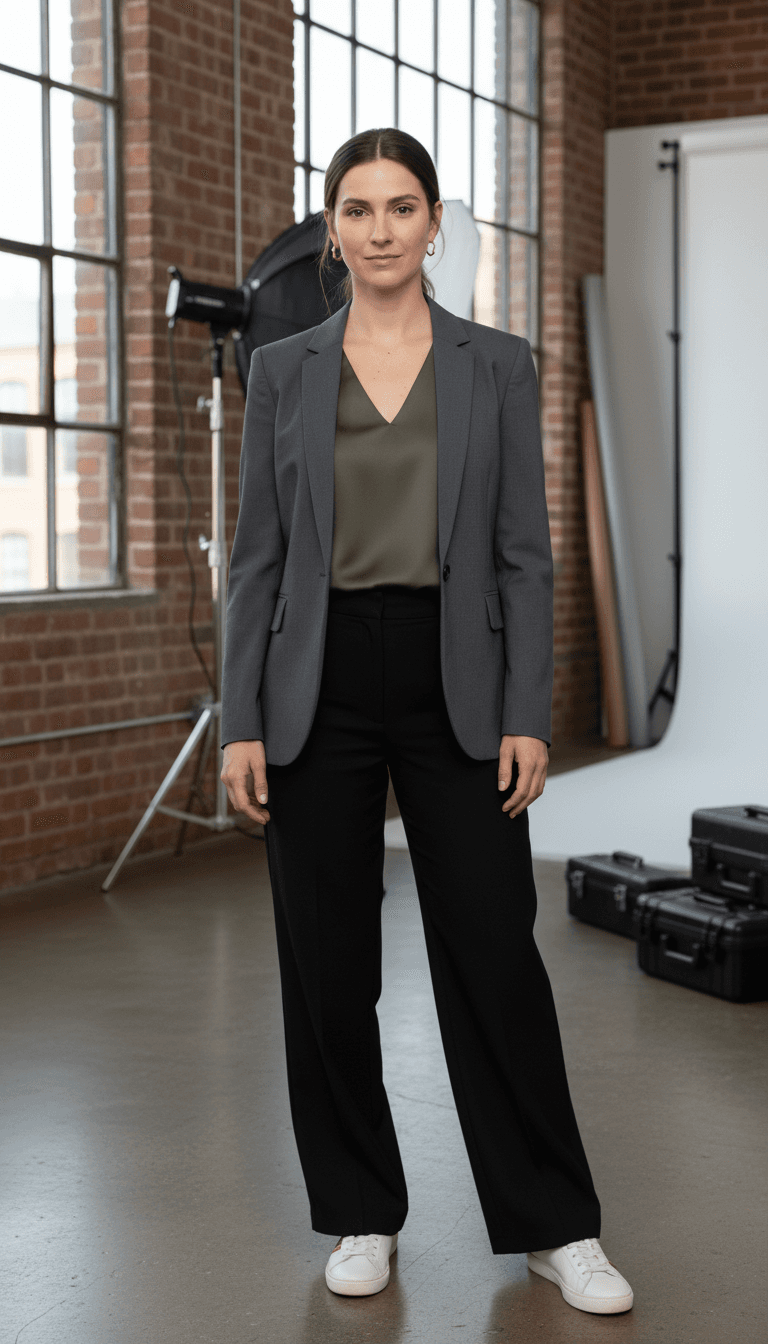
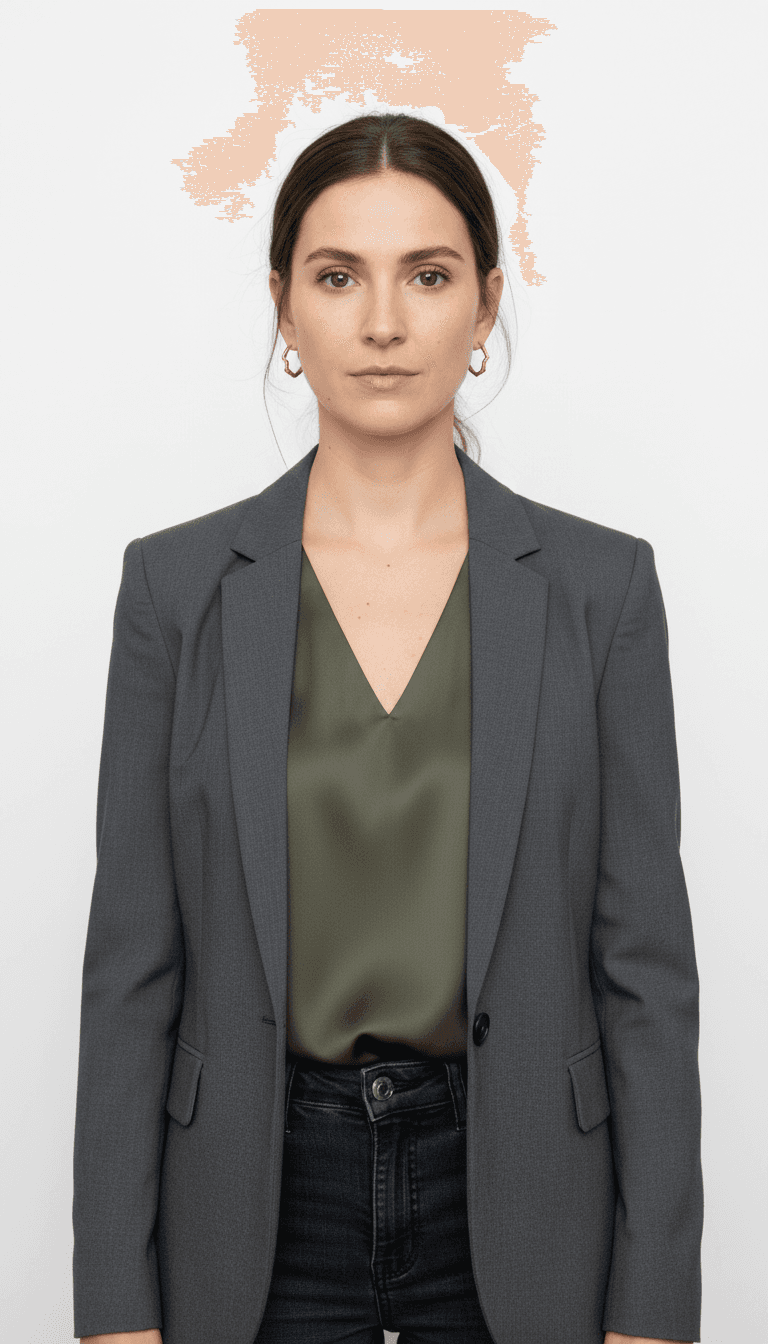
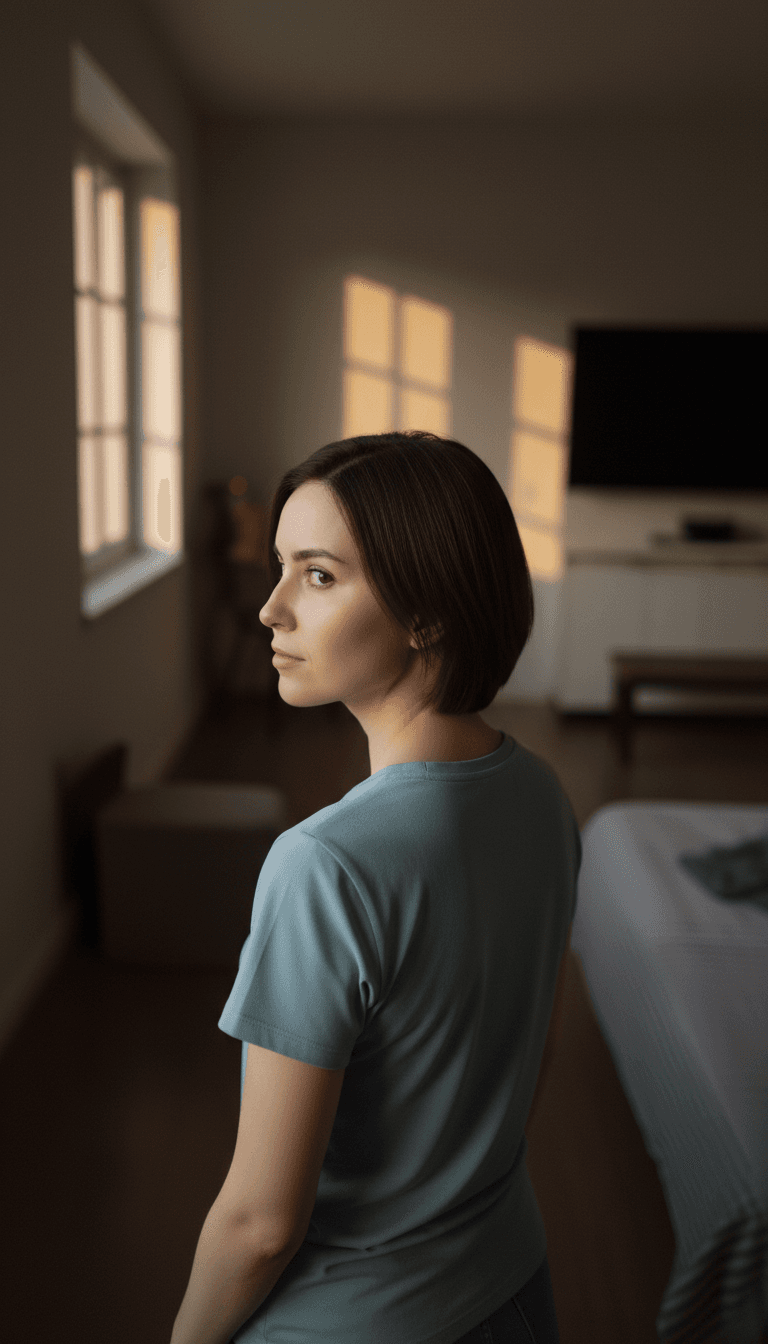
Only the scene prompt changed between these: the place, the light and the action. The Expert and the product came from reference images.
Put it to work
- Photo prompt generator — turns a one-line idea into a full scene prompt.
- Product UGC photos — your product in creator-style scenes with a consistent AI persona.
How it relates to AI UGC
In ppl.studio the product and the persona come from reference images, so the scene prompt is the only part you write: you describe the place, light and action, and the same face and the same product appear in every variation. Keeping the persona and product fixed is what lets you test scenes against each other.