AIGC Portraits: How AI is Changing Portrait Photography for Brands
From professional headshots to lifestyle marketing personas—how AI portrait generation works and why brands are adopting it.
7 min read
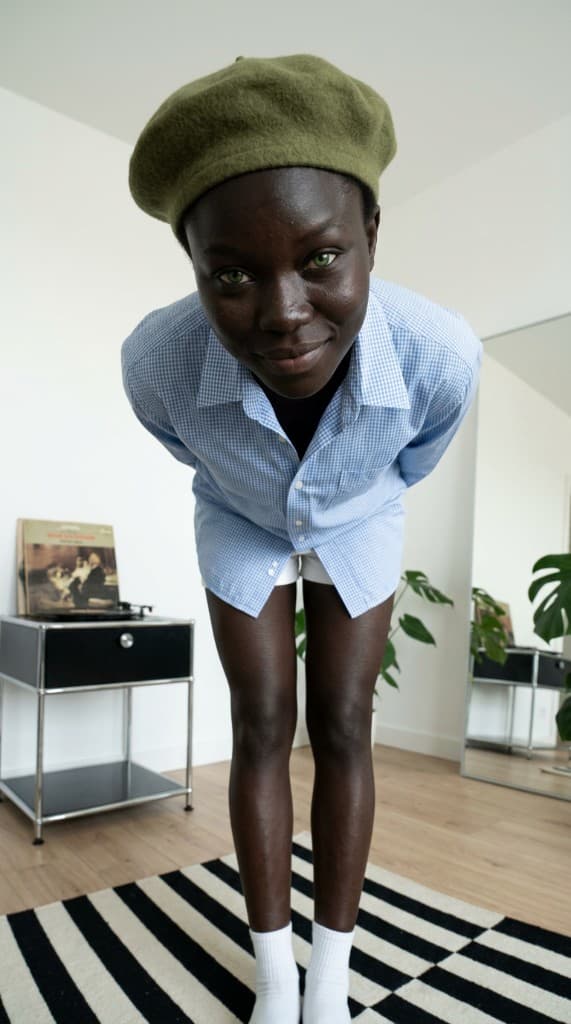
AIGC portraits—AI-generated headshots, profile photos, and portrait-style imagery—are one of the fastest-growing categories of AI-Generated Content. For brands, they solve a fundamental problem: getting consistent, high-quality human imagery without the cost and logistics of traditional portrait photography.
What Are AIGC Portraits?
AIGC portraits are photorealistic images of human faces and figures generated by AI models rather than captured by cameras. Modern diffusion models can produce portraits that are virtually indistinguishable from real photographs, with control over:
- Identity — A consistent "person" who appears the same across hundreds of images
- Expression and pose — Smiling, serious, casual, professional—any mood for any campaign
- Setting and context — Office, outdoors, home, gym, kitchen—any environment
- Demographic representation — Age, ethnicity, body type—matching your target audience
- Styling — Clothing, accessories, hair—fitting your brand aesthetic
How AIGC Portrait Generation Works
Most AIGC portrait tools use one of these approaches:
Diffusion models
The dominant architecture for portrait generation. Models like Stable Diffusion and Flux start with random noise and progressively refine it into a coherent portrait guided by text prompts and reference images. Fine-tuning on portrait datasets (with techniques like LoRA and DreamBooth) produces specialized portrait models that excel at human faces.
Identity preservation
The key innovation for marketing use cases is identity consistency—generating the same "person" across different images, poses, and settings. Tools achieve this through face embedding techniques that encode a face's unique characteristics and inject them into the generation process. This is what makes AI influencers and brand personas possible.
Product integration
Marketing-focused tools go beyond basic portrait generation by integrating real products into portrait scenes. Platforms like ppl.studio combine AIGC portraits with product placement: an AI-generated person holding, wearing, or using your actual product in a natural-looking scene.
AIGC Portrait Use Cases for Marketing
1. AI UGC and lifestyle product photos
The highest-impact use case. Brands generate AI UGC—product photos featuring AI portraits in lifestyle settings that look like real creator content. A skincare brand can generate hundreds of photos showing the same "creator" using their products in different settings, for different audiences, across different platforms.
2. Social media brand personas
Brands create virtual influencer personas with AIGC portraits—a consistent character with a name, style, and personality who appears in social posts, stories, and ads. Unlike real influencers, virtual personas are available 24/7, never go off-brand, and don't require ongoing talent fees.
3. Ad creative variation
Creative testing requires volume. AIGC portraits let brands generate dozens of ad creative variations with different people, expressions, and settings—then let performance data pick the winners. Instead of one photoshoot producing 10 usable images, you generate 100 variations and test them all.
4. Professional headshots and team photos
Companies use AIGC for consistent team headshots, especially for remote teams or placeholder images for growing organizations. While this requires care around disclosure, it's useful for mockups, pitch decks, and internal materials.
5. Audience-matched representation
AIGC portraits let brands match their visual content to specific audience segments. Running ads targeting different demographics? Generate portraits that reflect each segment—without organizing multiple photoshoots with different models.
AIGC Portraits vs Traditional Portrait Photography
| Factor | AIGC Portraits | Traditional Photography |
|---|---|---|
| Cost per image | $0.10–$2 (subscription-based) | $50–500+ (shoot + editing + model fees) |
| Time to produce | Seconds to minutes | Days to weeks (scheduling + shoot + editing) |
| Identity consistency | Same AI persona across unlimited images | Requires rebooking same model |
| Variation volume | Hundreds of variations per day | 10–50 usable shots per session |
| Scene flexibility | Any setting, any context | Limited to shoot location and setup |
| Authenticity | Near-photorealistic with quality tools | Inherently real |
Quality Considerations
Not all AIGC portrait tools produce the same quality. Key things to evaluate:
- Identity consistency — Can the tool maintain the exact same face across many images? Some tools produce similar-looking but clearly different people.
- Hand and body accuracy — Portraits that include hands, full bodies, or product interactions are harder to generate accurately. Check for anatomical correctness.
- Lighting realism — Does the portrait lighting match the scene lighting? Mismatched lighting is a common quality issue that makes images look composited.
- Resolution and detail — Marketing images need to work at various sizes. Ensure the tool produces images at sufficient resolution for your largest use case (e.g. website hero images vs. social feed posts).
- Product integration — If you need portraits with products, does the tool handle product placement naturally? This is where specialized marketing tools like ppl.studio outperform general-purpose generators.
Ethics and Disclosure
AIGC portraits raise important considerations:
- Disclosure — Be transparent about using AI-generated imagery where platform policies or regulations require it. The regulatory landscape is evolving, with the EU AI Act and China's AIGC regulations both addressing disclosure requirements.
- Consent and likeness — Never use AIGC to replicate a real person's likeness without their consent. Use original AI-generated identities, not clones of real people.
- Representation — AIGC portraits should reflect the diversity of your actual audience. Avoid stereotyping or tokenism in your AI persona choices.
Getting Started with AIGC Portraits for Marketing
If you're a brand looking to use AIGC portraits:
- Start with your highest-volume content need — If you're spending the most on ad creative, start there. If you need e-commerce photography, start there.
- Choose a marketing-specific tool — General AI art tools can generate portraits, but marketing-focused tools handle product integration, brand consistency, and ad-ready output better.
- Test against your current content — Run AIGC portraits alongside traditional photos in A/B tests. Let performance data drive your adoption decision.
ppl.studio generates AI UGC with consistent AIGC portraits—real products with AI-generated people in lifestyle settings, ready for paid social, product pages, and email campaigns.
For more on AIGC, read our complete guide to AI-Generated Content and learn about AIGC detection tools.
Frequently Asked Questions
What makes an AIGC portrait look realistic vs. obviously AI-generated?
The primary realism factors are identity consistency, lighting coherence, and anatomical accuracy. Portraits where the face lighting matches the scene lighting look real; portraits with mismatched light sources look composited. Hands and fingers are the most commonly cited quality indicator—low-quality models produce malformed hands, while marketing-grade tools like ppl.studio handle product interaction accurately. Identity consistency is what separates marketing tools from general art generators: a realistic-looking portrait is useful once, but a portrait that maintains the exact same face across 100 different scenes is what makes brand personas and AI UGC possible. Resolution also matters—for large-format use (website hero images, print), ensure the tool generates at sufficient resolution before subscribing.
How do brands use AIGC portraits for ad creative testing?
The primary advantage of AIGC portraits in creative testing is volume and demographic control. Instead of booking 5 different models to test which face resonates with each audience segment, brands create 5 AI personas and test them simultaneously. Run each persona as a separate ad creative variant within the same ad set, track CTR and CPA by persona, then scale spend on the winning demographic combination. This approach reveals audience preferences that intuition alone can't predict—sometimes the persona that looks least like the stereotypical customer converts best. AIGC portraits make this systematic persona testing cost-effective: instead of $5,000 in model fees to test 5 demographics, you test all 5 for the cost of generating 50 images.
Do you need to disclose AI-generated portraits in advertising?
Disclosure requirements vary by jurisdiction and platform. The EU AI Act requires disclosure of AI-generated content in certain contexts. China's AIGC regulations mandate disclosure labels. In the US, FTC guidelines require disclosure when the nature of a communication would deceive a reasonable consumer—the application to AI portraits in advertising is evolving. Platform-specific rules also apply: Meta, TikTok, and Google each have their own policies on AI-generated creative, with most currently requiring disclosure only for political advertising or content that depicts specific real people inaccurately. The safest approach for brands: follow platform guidelines exactly, avoid depicting real identifiable people without consent, and use disclosure where required by local law. As regulations evolve, the disclosure landscape will become clearer—but most current commercial AI UGC usage falls outside mandatory disclosure requirements.
What's the difference between AIGC portraits and deepfakes?
AIGC portraits and deepfakes both use AI to generate or manipulate human likenesses, but their intent and method differ fundamentally. Deepfakes take a real person's identity and apply it to video or images in ways intended to deceive—typically putting real people in situations they were never in, often for misinformation or harmful purposes. AIGC portraits create original fictional identities that have never existed—no real person is being impersonated, falsely represented, or harmed. Marketing AIGC portraits are original AI personas used to represent a brand's aesthetic and communicate with target audiences. The ethical and legal concerns around deepfakes (consent violations, defamation, fraud) don't apply to original AI personas, provided no real person's likeness is replicated without consent. Using AIGC to clone or impersonate real people is prohibited—generating original AI identities for marketing use is a distinct and legitimate practice.
Try AIGC Portraits with ppl.studio
Generate AI UGC photos and videos in under a minute. 10 free photos to start.
Start free with ppl.studio10 free photos · no credit card required
Founder of ppl.studio. Building AI tools for product marketing teams who need visual content at scale without the production overhead.