AI UGC for Snapchat Ads: Creative That Connects with Gen Z
Snapchat's 422 million daily active users skew heavily toward Gen Z and young millennials—audiences that can spot polished corporate content from a mile away and swipe past it in under a second. AI UGC gives brands the casual, authentic-looking creative that survives the snap test while scaling production across dozens of ad variants.
6 min read
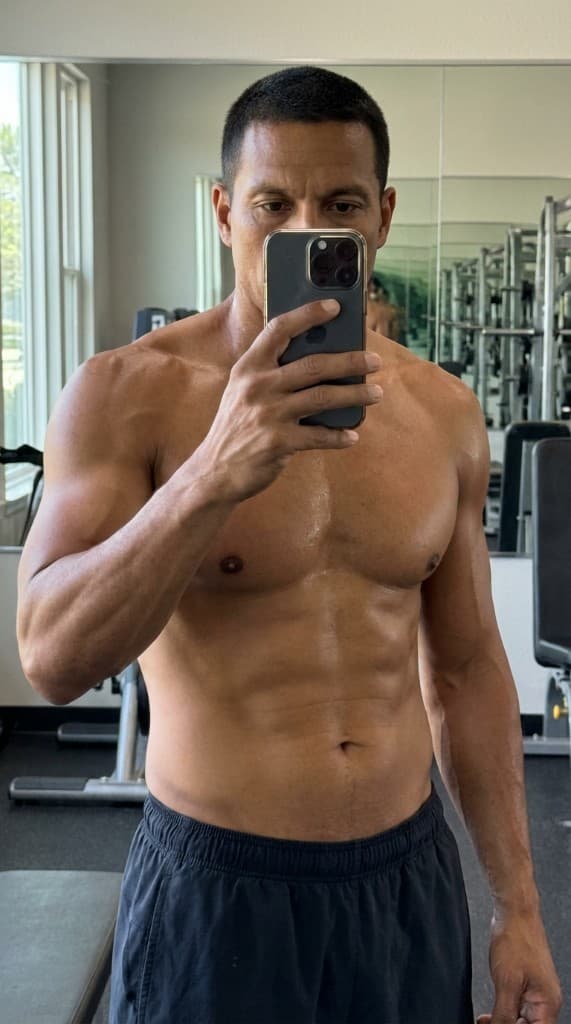
Snapchat generates over $4.6 billion in annual advertising revenue, and the platform's unique audience composition makes it indispensable for brands targeting 13–34 year olds. But Snapchat's environment demands a specific visual language: vertical, raw, casual, and personal. The studio-polished creative that works on Facebook or Google Display actively hurts performance on Snap. Brands need high volumes of feed-native content that feels like it was taken on a phone by a real person—and AI UGC delivers exactly that at scale.
Why Snapchat Requires a Different Creative Approach
Every advertising platform has its own visual grammar, and Snapchat's is the most distinct of any major channel. Understanding these differences is the foundation for creating AI UGC that performs:
- Vertical-first format (9:16). Snapchat is designed around full-screen vertical content. Landscape or square creative feels broken on the platform. Every image and video must be natively vertical, which means you can't repurpose horizontal Facebook or Google ads—you need Snap-specific creative from the start.
- The 2-second hook window. Snapchat users swipe through content rapidly. Snap's own data shows that ads need to capture attention within the first 2 seconds or the user is gone. This means the visual hook must be immediate—no slow builds, no subtle product placement. The product or compelling scene needs to be front and center from the first frame.
- Authenticity is a performance metric. Gen Z has grown up with social media and has finely tuned radar for inauthentic content. Snapchat's internal research shows that ads styled like organic user content see 30–40% higher completion rates than polished brand creative. The more an ad looks like something a friend would snap, the better it performs.
- High creative fatigue, fast rotation needed. Snapchat ad creative fatigues faster than any other major platform—typically within 5–7 days for high-spend campaigns. Brands need 15–25 creative variants per campaign to maintain performance through the flight, which makes traditional production impractical.
Snapchat Ad Formats and AI UGC Fit
| Ad Format | Specs | AI UGC Application | Performance Tip |
|---|---|---|---|
| Single Image / Video Snap Ad | 1080×1920 (9:16), 3–10 sec | Full-frame person-with-product shots, casual selfie-style compositions | Product visible in first 1 second; eye contact with camera |
| Story Ad | 1080×1920, 3–20 tiles | Sequential lifestyle scenes showing product journey—unboxing, first use, daily routine | First tile is your hook; each tile should reveal something new |
| Collection Ad | Hero image + 4 product thumbnails | Hero: lifestyle context shot; thumbnails: product variations in casual settings | Hero image drives CTR; make it aspirational but authentic |
| Dynamic Product Ad | 1080×1920, product catalog-driven | AI UGC lifestyle images as catalog assets; replaces white-background product feed | Lifestyle catalog images outperform plain product shots by 40–60% |
| Commercials (non-skippable) | 1080×1920, 6 sec forced view | High-impact opening frame; person reacting to or using product | Use the forced view to show product benefit, not brand logo |
Creating Snap-Style AI UGC That Performs
1. Nail the casual photography aesthetic
The best-performing Snapchat ad creative looks like it was shot on a phone in natural light. That means slightly imperfect framing, real-world backgrounds (bedrooms, bathrooms, kitchens, cars, dorm rooms), natural or overhead lighting, and people who look like everyday users rather than professional models. AI UGC can be prompted to generate this casual, lo-fi aesthetic—the key is to explicitly avoid the polished, studio-lit look that dominates other platforms.
2. Lead with face and eye contact
Snapchat is a selfie-native platform. The most engaging ad images feature a person's face, ideally making eye contact with the camera, with the product naturally visible in the frame. Think of someone holding up a skincare product next to their face, wearing headphones with a slight smile, or showing off a new phone case in a mirror selfie. This face-first composition triggers the same social recognition response that makes users pause on content from their actual friends.
3. Generate for Gen Z contexts and settings
Gen Z lives in specific environments: college dorm rooms, shared apartments, coffee shops, public transit, gym locker rooms, festival grounds, and friend group hangouts. AI UGC should place products in these settings, not in the aspirational luxury environments that work for older demographics on Instagram. A protein shake in a dorm room mini-fridge. A phone stand on a messy desk with textbooks. A portable speaker at a rooftop hangout. Authenticity means specificity.
4. Build creative variety for rotation
Given Snapchat's rapid creative fatigue, volume is non-negotiable. Creative testing on Snapchat requires 15–25 variants per campaign. With AI UGC, generate these variants systematically: same product in 5 different settings, with 3–4 different personas in each setting. This gives your ad account enough creative fuel to rotate fresh assets every 5–7 days without the production bottleneck that kills most Snapchat ad performance.
5. Design for the swipe-up action
Snapchat's primary CTA is the swipe-up gesture. Your AI UGC should leave visual room for the swipe-up prompt at the bottom of the frame and create enough curiosity or desire to motivate that action. Images that show a product partially revealed, someone mid-reaction, or a before-and-after tease drive higher swipe-up rates than fully resolved compositions. The goal is to start a story in the ad that the landing page completes. For more on creative that drives action on short-form platforms, see our guide to AI UGC for TikTok Shop.
How AI UGC Compares to Traditional Snap Creative Production
Most brands producing Snapchat creative use one of three approaches: hiring UGC creators on platforms like Billo or Trend, producing content in-house with a content team, or repurposing creative from other channels. Each has significant limitations:
- UGC creators: $150–$500 per piece of content, 7–14 day turnaround, inconsistent quality, limited revision cycles. At 20 variants per campaign with monthly refreshes, that's $3,000–$10,000/month in creator costs alone.
- In-house production: Requires a content creator on staff or a team member willing to be on camera. Limited persona diversity. Time-intensive and doesn't scale across multiple product lines or campaigns simultaneously.
- Repurposed creative: Horizontal Facebook or Instagram creative cropped to 9:16 looks terrible on Snap. Different platform, different visual language—repurposing is the most common reason Snapchat campaigns underperform.
AI UGC solves the volume, speed, cost, and format problems simultaneously. Generate 20–30 Snap-native vertical images in a single session, with diverse personas, authentic settings, and the casual aesthetic Snapchat demands. Rotate fresh creative weekly instead of monthly. Test 5x more variants than your budget would allow with human creators.
Snapchat AI UGC Strategy for Different Industries
Snapchat's audience skews toward specific product categories. Here's how AI UGC applies to the top-performing verticals on the platform:
- Beauty and skincare. Mirror selfies with product, close-up application shots, bathroom shelfie compositions, before/after skin texture. Gen Z beauty buyers on Snapchat want to see products in real bathrooms and on real-looking skin, not in a clinical studio setting.
- Fashion and accessories. Mirror outfit-of-the-day shots, fit checks in dorm rooms, accessory close-ups on casual backgrounds. The OOTD format is native to Snapchat and translates directly to high-performing ad creative.
- Food and beverage. Handheld product shots, kitchen counter compositions, point-of-view eating scenes, friend-group sharing moments. Snapchat food content performs best when it feels spontaneous rather than styled.
- Tech and gadgets. Desk setups with product, unboxing first-frame shots, reaction-style photos. The tech-review aesthetic translates well to Snap when it feels like a genuine first impression rather than a scripted review.
- DTC brands and Shopify stores. Product-in-hand close-ups, flat lays on messy beds, products being used in daily routines. DTC brands succeed on Snapchat by making their products feel integrated into the buyer's existing life. For platform-specific creative approaches, see our guide on AI UGC for Instagram Reels and Stories.
Measuring Snapchat AI UGC Performance
Snapchat's ad manager provides granular metrics for evaluating AI UGC creative. The key metrics to track:
- Swipe-up rate. The Snapchat equivalent of CTR. Benchmark: 0.35–0.50% for e-commerce. AI UGC with face-forward compositions typically outperforms product-only shots by 2x on swipe-up rate.
- 2-second video view rate. Measures whether your hook is working. If this drops below 40%, your opening frame needs iteration. AI UGC lets you rapidly test 10+ opening compositions to find the hooks that hold attention.
- Attachment rate (Story Ads). The percentage of users who tap to see the next tile in a Story Ad. Benchmark: 5–8%. Sequential AI UGC scenes that build a visual narrative drive higher attachment rates than disconnected images.
- eCPM and frequency. When creative fatigues, eCPM rises and frequency caps hit. Monitoring these signals tells you when to rotate in new AI UGC variants—typically every 5–7 days for high-spend campaigns.
For Snapchat ad image specs, safe zone guidance, and a platform-specific workflow, see how ppl.studio works for Snapchat Ads.
Build Snap-native creative that Gen Z actually engages with
Upload your products, select casual personas and real-world settings, and generate vertical AI UGC designed for Snapchat's unique visual language—at the volume your ad account demands.
Start free with ppl.studio10 free photos · no credit card required
Founder of ppl.studio. Building AI tools for product marketing teams who need visual content at scale without the production overhead.