ppl.studio's own project · Content site
advent.center on Social: 140 Data Carousels in Three Weeks, and What They Reached
Between 28 September and 18 October 2026, advent.center posted 140 carousels about advent calendars, each one to TikTok, Instagram, Facebook and Pinterest: 538 posts. Every slide was drawn by ppl.studio's carousel engine from the site's own data. Here is what they reached, read from the posting log.
5 min read

The short version
- TikTok carried it. 84,841 views across 129 TikTok posts with a reading; a median of 806 views per post after a week. The other three platforms together got a fraction of that.
- TikTok was all or nothing, by day. On 10 of 18 days posts landed at about 800 to 2,000 views. On the other 8 days every post stopped at about 16. We don't know why yet: TikTok gives no reason, and the low days don't line up with format or the sound used.
- Format didn't matter. On normal days, all seven formats sat between about 800 and 900 views at 24 hours.
- Views are not interest. After a week, 75 TikTok posts had 173 likes, 31 saves, 8 shares and 1 comment between them.
- No model fees. Every carousel is drawn from the site's records and existing product photos; nothing is generated.

The setup
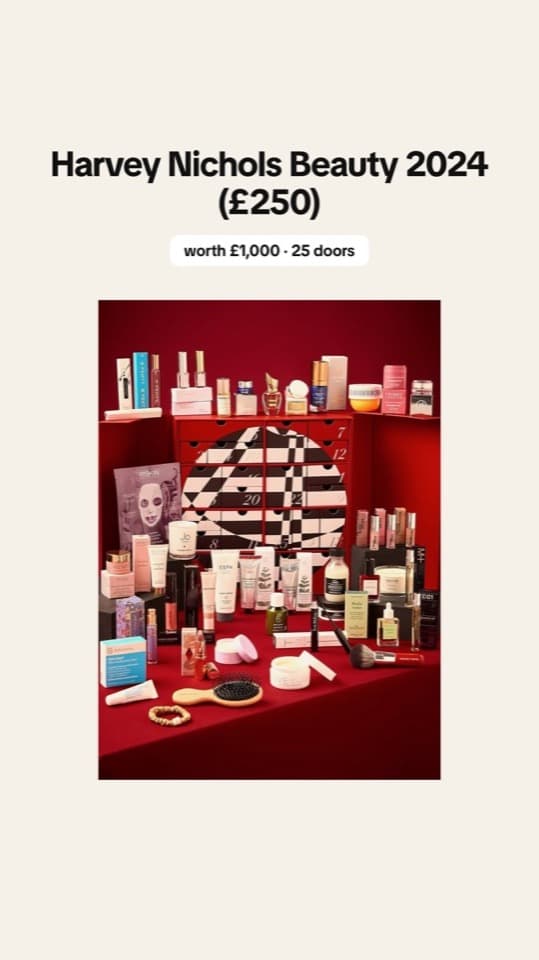
advent.center catalogues advent calendars: what is inside each one, what the contents are worth and where it is cheapest. A routine on the founder's Mac turns those records into a carousel every few hours in season: it picks a calendar, a brand or an audience, writes six to eight slides of words from the data, and hands them with the calendar's product photos to ppl.studio's catalog carousel engine, which returns finished 1080×1920 slides in about three seconds. A posting runner then posts each carousel from a real iPhone to all four accounts. How the site moved onto the engine is in the engineering write-up.
Nine formats were in rotation: what's inside a calendar, launched this week, a top six for an audience, is it worth it, price tiers, under a price, resale, a brand across calendars, and this year's calendar against last year's.
Platform by platform
| Platform | Posts | Median views, 24 h | Median views, 7 days | Note |
|---|---|---|---|---|
| TikTok | 133 | 775 | 806 | 84,841 views in total across the 129 posts with a reading |
| 137 | 24 | 25 | steady, never above 67 | |
| 131 | 11 | 13 | best post 318 | |
| 137 | 5 | 5 | best post 229 |
The same carousel, posted the same day, did roughly 30 to 160 times better on TikTok than anywhere else, and three weeks of daily posting didn't move Instagram, Facebook or Pinterest.
TikTok: good days and dead days
The TikTok numbers aren't a spread around an average. They split in two. On 10 days the posts got a median of 824 views at 24 hours. On the other 8 (5, 7, 10, 11, 12, 14, 15 and 16 October) the median was 16, and every post that day stayed near it. A post that started at 15 views was still at 15 a week later.
We checked the obvious suspects. The low days don't share a format (brand, versus, tiers and top-six posts all appear on both kinds of day) or a missing sound, and the same account had normal days before, between and after them. TikTok doesn't say when it limits distribution, so for now this is a finding, not an explanation. The posting runner reads TikTok's account check every day, so a stated restriction would show up there.
Format by format, on normal days
| Format | TikTok posts | Median views, 24 h |
|---|---|---|
| Brand ("you can get Rituals for £90") | 15 | 879 |
| Year versus year ("Harvey Nichols 2024 vs 2026") | 15 | 816 |
| Price tiers by audience | 7 | 824 |
| What's inside | 6 | 899 |
| Top six for an audience | 6 | 815 |
| Is it worth it | 3 | 831 |
| Under a price | 3 | 802 |
Read naively, the full log says brand posts were a disaster (a median of 20 views) and “what's inside” posts the winners. That's an accident of scheduling: most brand posts went out on dead days. Compared on the days TikTok was distributing, every format landed within about 100 views of the others. The samples are small (3 to 15 posts a format), so treat this as “no format stood out”, not as a ranking.
What we take from it
- Judge a format on its good-day numbers. Averaging across days when TikTok throttles the account blames the format for the day. Compare formats posted on the same days, or leave the dead days out.
- Reach is not the same as a reason to engage. About 800 views and almost no likes or comments means people watch a list of calendars and prices and move on. A slide that asks the viewer something (which calendar would you open first?) is the obvious next thing to test.
- Cheap to keep going. With no model fees and three seconds a carousel, the cost of a post is the posting, not the making. That's what made 140 carousels in three weeks possible on a one-person site.
For a project where views stalled for a different reason, see Bae's TikTok; for what generated formats cost per run, see what AI UGC really costs.
Frequently Asked Questions
How many views do automated carousels get on TikTok?
On advent.center's account, a median of 824 views at 24 hours on days TikTok distributed its posts, with the best around 2,000. On 8 of 18 days every post stopped at about 16 views. Engagement was low: 173 likes, 31 saves, 8 shares and 1 comment across 75 posts after a week.
Which carousel format worked best?
None, measurably. On the days TikTok distributed the posts, all seven formats landed between about 800 and 900 views at 24 hours. Which day a post went out mattered far more than what was on it.
Does posting the same carousel to Instagram, Facebook and Pinterest help?
Not on this account so far. The same 137 carousels got a median of 5 views on Instagram, 13 on Facebook and 25 on Pinterest after a week, against about 800 on TikTok.
What did the carousels cost to make?
No model fees. Each carousel is drawn by ppl.studio's deck engine from advent.center's own records (calendar names, prices, door counts) and the product photos it already has, in about three seconds. No image is generated.
Founder of ppl.studio. Building AI tools for product marketing teams who need visual content at scale without the production overhead.